





Why Your Chutney Turns to the Dark Side
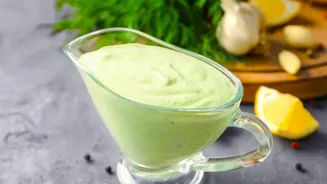
That brilliant green dhaniya-pudina chutney is a powerhouse of fresh herbs, water, and spices. Unfortunately, these same qualities make it a perfect breeding ground for bacteria and mould. The main culprit is oxidation, a chemical reaction with the air
that causes the fresh herbs to lose their vibrant colour and turn a murky, unappetizing brown or black. This process not only affects the appearance but also the flavour and nutritional value. Furthermore, the high moisture content, especially if you add water to get the right consistency, creates an environment where microbes can thrive, even in the cold confines of a refrigerator.
Know When to Let Go: Signs of Spoilage
Trust your senses—they are your best guide to food safety. It's crucial to discard your chutney if you notice any of these warning signs. The most obvious is a change in colour from bright green to dark brown or black. While some darkening is natural due to oxidation, a significant change is a red flag. Next, give it a sniff. A sour, fermented, or generally 'off' smell is a clear indicator that it's past its prime. Any visible fuzzy growth, which is mould, means the entire batch should be thrown away immediately. Other signs include a slimy texture or a bubbling or fizzing appearance, which suggests fermentation. When in doubt, always err on the side of caution and dispose of it.
The Refrigerator Reality Check
So, how long is it actually safe to keep green chutney in the fridge? The general consensus is a surprisingly short window. If stored correctly in an airtight container, homemade green chutney is at its best for about 2 to 3 days. After that, its quality begins to decline rapidly. Some recipes might last up to a week, especially if they contain preservatives like a higher quantity of lemon juice or vinegar. However, for maximum flavour, freshness, and safety, it's best to adopt a 'make-it-fresh' or 'use-it-fast' philosophy.
Tricks to Extend Freshness
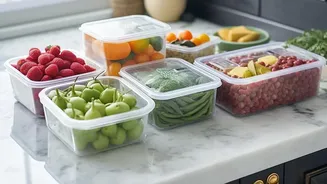
While you can't stop time, you can slow it down. To keep your chutney greener and safer for longer, several simple tricks can help. First, add a good squeeze of lemon or lime juice. The acid acts as a natural preservative and antioxidant, slowing down the browning process. Always use a clean, dry glass jar with a tight-fitting lid for storage. Using a clean spoon every single time you take some out is crucial to prevent introducing new bacteria. Some also suggest adding a thin layer of oil on top of the chutney, which creates a barrier against air and helps prevent oxidation. Grinding the chutney with a few ice cubes instead of water can also help preserve its bright green colour by keeping the blender blades cool.
Embrace the Freezer: The Ultimate Solution
For truly long-term storage, the freezer is your best friend. Freezing allows you to make a large batch of chutney and preserve it for months without a significant loss in flavour. The most popular and practical method is to pour the freshly made chutney into an ice cube tray. Once the cubes are frozen solid, you can transfer them into a ziplock bag, squeezing out as much air as possible. These frozen cubes can last for two to three months, and some claim even longer. When you need chutney, simply take out a cube or two and let them thaw on the counter or in the fridge. It’s a game-changer for anyone who loves having fresh chutney on hand at all times.