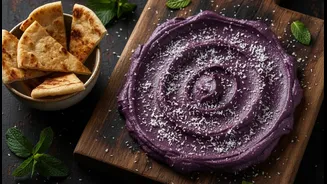










Why This Combination Works So Well
Brinjal, or eggplant, is known for its ability to become soft and almost meaty when cooked. When roasted directly over a flame, it develops a deep, smoky flavour that's irresistible. However, its texture can sometimes be watery. This is where coconut
comes in. The natural fats and oils in freshly grated coconut emulsify with the moisture from the brinjal, creating a condiment that is surprisingly creamy without any dairy. The coconut’s subtle sweetness also beautifully balances the brinjal's smoky and sometimes slightly bitter notes, resulting in a more complex and satisfying flavour profile. This technique is a cornerstone of many South Indian dishes, particularly chutneys and 'bhartas' where texture is just as important as taste.
The Roasting Ritual
The foundation of this dish is a perfectly roasted brinjal. For the best results, use a large, plump variety often called 'bharta baingan'. Wash and dry the brinjal, then coat it lightly with oil. This helps the skin char evenly and makes it easier to peel. The traditional and most effective method is to roast it directly on an open flame, turning it periodically with tongs until the skin is blackened and blistered all over and the flesh feels completely soft when poked. This process infuses the brinjal with an irreplaceable smoky aroma. Once roasted, let it cool for a few minutes. The steam trapped inside will help the skin pull away from the flesh, making it easy to peel off the charred exterior. Discard the stem, and the smoky pulp is ready for its transformation.
Incorporating the Coconut
For the ultimate creamy texture, fresh or frozen grated coconut is far superior to the dry, desiccated kind. After peeling and mashing the roasted brinjal, simply mix in the grated coconut. You can either use it raw for a fresh, zesty flavour or lightly toast it to bring out a nuttier aroma before mixing. Some recipes even call for grinding the coconut into a coarse paste, often with other spices like red chillies and coriander seeds, before adding it to the mashed brinjal. This method ensures the coconut is fully integrated, lending its creaminess throughout the dish. A general guideline is to use about half a cup of grated coconut for one large brinjal, but you can adjust this to your preference.
Building a Flavourful Condiment
This brinjal-coconut base is incredibly versatile. To turn it into a complete condiment, you’ll want to add a supporting cast of ingredients. Finely chopped raw onions provide a sharp, crunchy contrast. Minced green chillies add heat, while grated ginger brings a warm, pungent kick. A squeeze of tamarind paste or lemon juice can introduce a pleasant tanginess that cuts through the richness. Finally, a tempering (or 'tadka') of mustard seeds, cumin seeds, and curry leaves sizzled in coconut oil and poured over the top adds a final layer of aromatic complexity that is quintessentially Indian. A generous garnish of fresh coriander leaves completes the dish.
Ways to Enjoy Your Creamy Creation
This creamy brinjal condiment, often called a 'sutta kathirikai chutney' in Tamil Nadu or a Konkani-style bharta, is a fantastic accompaniment to a wide range of meals. It pairs wonderfully with hot rice and a simple dal. It can be served alongside dosas and idlis for a flavourful breakfast, or used as a delicious side for rotis and chapatis. Don’t hesitate to think outside the box, either. It makes an excellent, smoky spread for toasted bread or a unique dip for vegetable sticks and crackers, offering a taste of traditional Indian cooking in a modern, versatile format.