






Decoding the New Agreement
On August 20, 2026, Indian Defence Minister Rajnath Singh and his Japanese counterpart, Shinjiro Koizumi, signed a Memorandum of Arrangement (MoA) on Maritime Security Cooperation in New Delhi. This isn't just another diplomatic handshake; it's a detailed
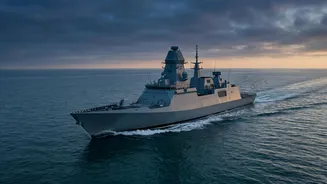
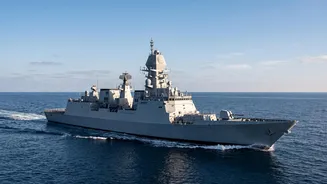
framework designed to deepen practical cooperation between the Indian Navy and the Japan Maritime Self-Defense Force (JMSDF). The MoA builds on the broader “Special Strategic and Global Partnership” between the two nations, providing a clear rulebook for enhanced collaboration on several fronts. Key areas covered include Maritime Domain Awareness (MDA), information sharing, coordinated Search and Rescue (SAR) missions, and joint Humanitarian Assistance and Disaster Relief (HADR) operations. By formalising these protocols, the MoA aims to make their joint activities more efficient and responsive.
From Principles to Practicality
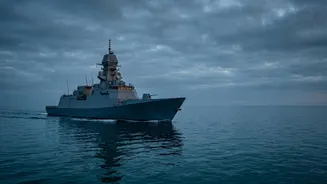
The phrase “clearer operational structure” is central to understanding this agreement's significance. For years, India and Japan have conducted joint naval drills like the Japan-India Maritime Exercise (JAIMEX) and participated together in the Malabar exercises alongside the US and Australia. While these build goodwill and basic interoperability, the new MoA establishes the logistical backbone needed for more complex, real-world coordination. It facilitates reciprocal access to ports and naval facilities for logistical support, including maintenance and repair services. This means an Indian naval vessel operating in the Pacific could more easily use a Japanese port for refuelling and repairs, and vice versa for a Japanese vessel in the Indian Ocean. This logistical interoperability is a crucial step up, moving the partnership from episodic exercises to a state of sustained, integrated presence in the region.
The Indo-Pacific Chessboard
This agreement was not signed in a vacuum. Both India and Japan share growing concerns over regional stability and have consistently voiced their opposition to any unilateral attempts to change the status quo by force. The MoA is a direct reflection of their shared commitment to a “Free and Open Indo-Pacific.” By strengthening their ability to operate together, the two democracies are sending a clear signal about their intent to uphold freedom of navigation and a rules-based maritime order. The pact enhances their collective capacity to monitor vital Sea Lines of Communication (SLOCs), which are crucial for global trade and energy security for both nations. Analysts note the timing is also significant, as regional powers look to create more resilient security architectures in an increasingly complex geopolitical landscape.
A Boost for Naval Capabilities and 'Make in India'
Beyond logistical support, the MoA opens doors for deeper defence-industrial collaboration. The two ministers agreed to explore joint development and design in naval shipbuilding, a move that could pair Japan’s advanced technological expertise with India’s growing production capabilities under the 'Make in India' initiative. One of the first potential projects highlighted is the transfer of Japan's UNICORN integrated communications antenna system technology to India. Furthermore, discussions are underway for Japan to make greater use of Indian shipyards for repairs, providing a boost to India's domestic defence industry. This two-way street of cooperation—sharing both facilities and technology—aims to build not just interoperability but also a more integrated defence industrial base between the two partners, enhancing the self-reliance and capabilities of both.