



The Core of the Matter
The magic of hula hooping lies in the constant tension required to keep the hoop from falling. To maintain that mesmerizing circular motion, your core muscles must remain continuously engaged. This isn't about doing crunches; instead, it's a form of isometric
work. Your abdominal muscles—including the rectus abdominis (the 'six-pack' muscles) and the obliques along your sides—contract to stabilize your torso. This creates a strong, stable centre while your hips and legs provide the rhythmic push. At the same time, the muscles in your lower back are working in tandem to support your posture and protect your spine, making this a well-rounded core conditioning exercise. The movement is more of a forward-and-back or side-to-side weight shift, with the core acting as a solid shield that transfers energy, rather than a wild gyration of the hips.
More Than Just Abs
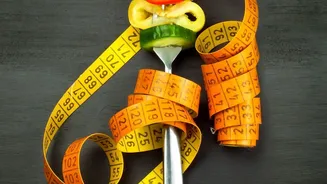
While the core is the star of the show, hula hooping is far from a one-trick pony. The continuous movement makes it a surprisingly effective cardiovascular workout. A widely cited study funded by the American Council on Exercise (ACE) found that a 30-minute hula hooping session can burn around 210 calories—roughly 7 calories per minute. This puts it on par with other popular aerobic activities like boot camp classes, step aerobics, and even kickboxing. As you work to keep the hoop spinning, you're also engaging your lower body. Your glutes, quadriceps, and hamstrings all play a role in generating the power and rhythm needed, contributing to toning and strengthening your legs and hips. Some studies have even shown that regular hula hooping can lead to a measurable reduction in waist circumference.
Choosing Your Perfect Hoop
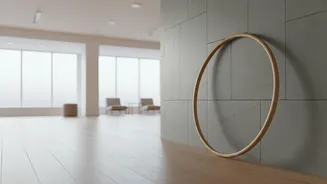
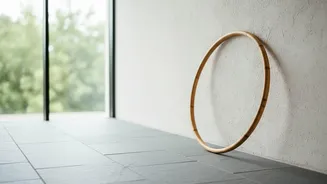
Stepping into the world of fitness hooping can be overwhelming, but choosing the right tool is simple. For beginners, bigger is better. A larger, heavier hoop moves more slowly, giving you more time to react and master the rhythm. Look for hoops made from PE (polyethylene) tubing, which is heavier and more durable than the flimsy toy hoops of your youth. As a general rule of thumb, a good starter hoop should measure from the ground up to your navel or the top of your hip bone when stood on its edge. Many modern fitness hoops are also weighted, typically ranging from one to four pounds. This added resistance increases the intensity of the workout and can help you build core strength more effectively, with some people finding the extra weight easier to control initially.
Getting the Spin Right
The secret to successful hooping isn't a frantic, circular hip-swivel. It’s a controlled, rhythmic pulse. To start, stand with one foot slightly in front of the other for better balance. Hold the hoop level against your lower back, give it a firm push in one direction, and immediately begin shifting your weight. If you pushed the hoop to the left, you’ll rock your hips left and right. If you started with a forward-and-back stance, you’ll pulse your hips forward and back to meet the hoop as it comes around. Keep your movements small and controlled, your core tight, and your back straight. It may feel awkward at first, but with a little practice, your body will find the natural rhythm needed to keep the hoop spinning effortlessly.