




Beyond 'Good' Carbs: Understanding Variability
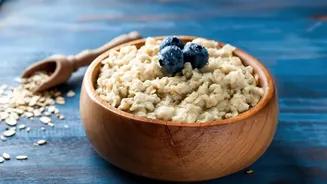
For years, we’ve been told to choose foods with a low glycemic index (GI), a measure of how quickly a food raises blood sugar. Steel-cut oats, with their low GI, have long been a go-to for a healthy start. They are minimally processed, meaning they take
longer to digest and release sugar into the bloodstream more slowly than their rolled or instant counterparts. However, a more nuanced concept called blood-sugar variability is changing the conversation. This refers to the fluctuations—the peaks and valleys—in your glucose levels throughout the day. While some fluctuation is normal, large and frequent swings can leave you feeling drained and craving more sugar, even if your average blood sugar is in a healthy range. It’s not just about how high your blood sugar goes, but how much it bounces around.
The Problem with a Glucose Rollercoaster
Think of your energy levels like a calm sea versus a choppy one. High glycemic variability is like a storm, causing sharp spikes followed by sudden crashes. These crashes can manifest as midday slumps, brain fog, irritability, and intense hunger. Over the long term, significant and repeated blood sugar swings are linked to an increased risk of metabolic dysfunction and other health complications. Even for healthy individuals, maintaining more stable glucose levels is key for sustained energy, better mood, and overall well-being. The goal is to create gentle, rolling hills in your glucose response rather than jagged peaks.
The Steel-Cut Oats Paradox
So where do steel-cut oats fit in? While they are an excellent source of soluble fibre, particularly beta-glucan, which slows digestion, they are still a carbohydrate-rich food. Eating a bowl of plain steel-cut oats, especially in a generous portion, can still cause a significant blood sugar rise for some individuals. The fibre does its job to slow things down, but the sheer volume of carbohydrates being digested can overwhelm the system, leading to a spike. This is the paradox: a fundamentally healthy food can still contribute to the glucose rollercoaster if it's not part of a fully balanced meal. It’s not that the oats are the problem, but rather that they shouldn't be the only thing in your bowl.
The Power of a Balanced Bowl
The secret to unlocking the full potential of steel-cut oats lies in what you add to them. To flatten that glucose curve and minimise variability, you need to add two key macronutrients: protein and healthy fats. Protein and fat digest much more slowly than carbohydrates. When eaten together, they act as a brake system, further slowing the absorption of the glucose from the oats. This teamwork ensures a much more gradual and sustained release of energy, keeping you feeling full and focused for hours instead of setting you up for a crash. The addition of more fibre from other sources can also contribute to this effect.
How to Build a Better Breakfast
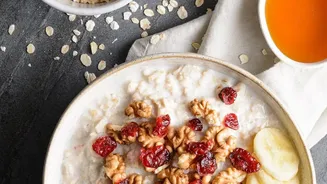
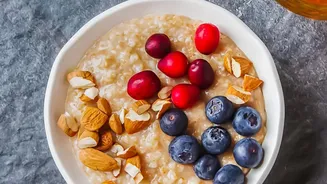
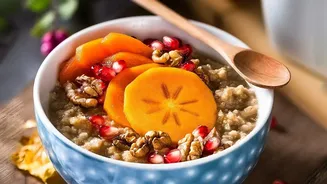
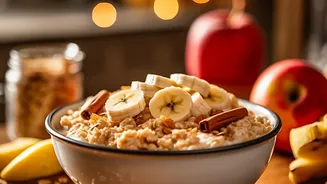
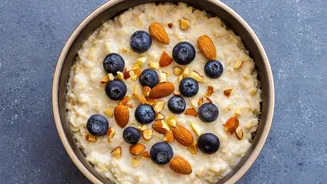
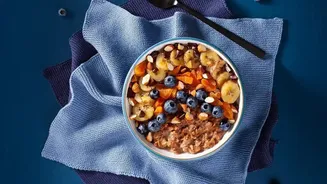
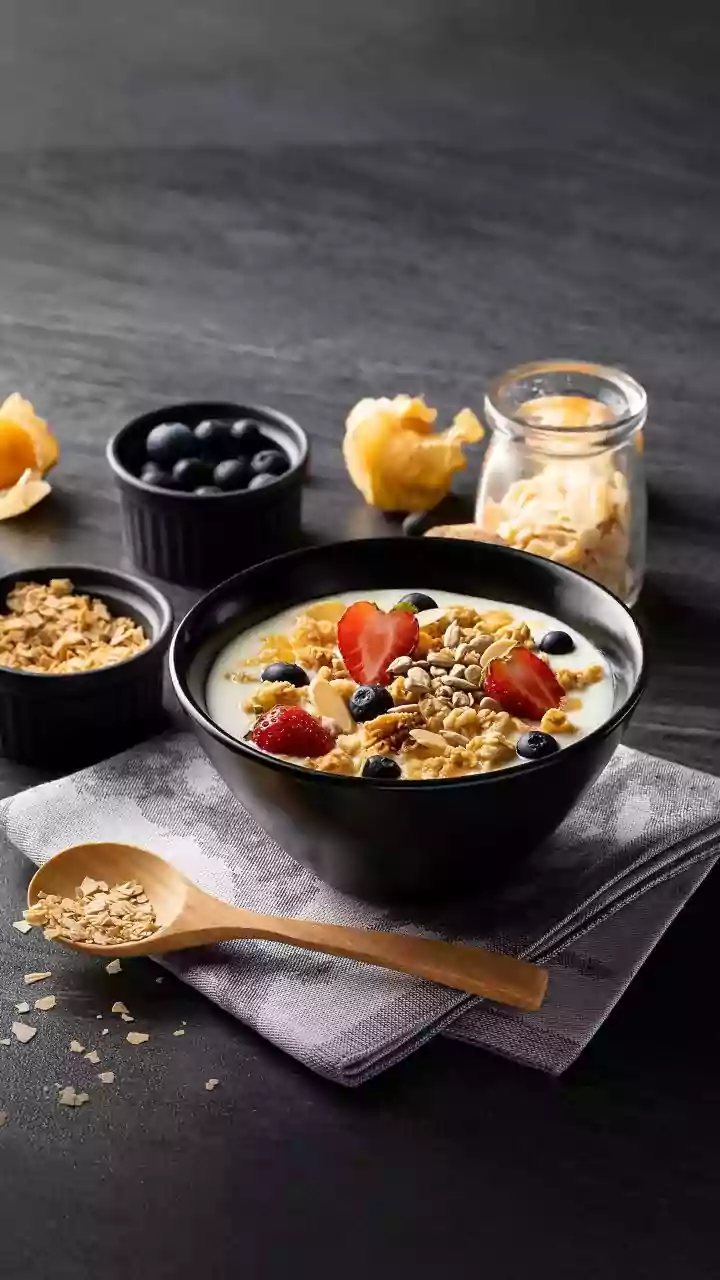
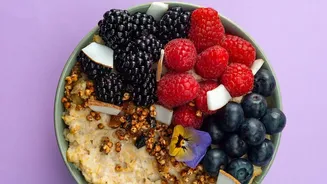
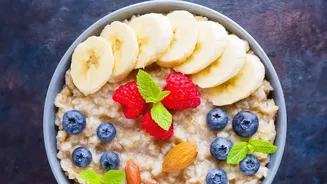
Putting this into practice is simple and delicious. The goal is to move beyond just oats and water or milk. Instead, think of your oatmeal as a base for a complete meal. For a powerful protein boost, stir in a scoop of protein powder, a large dollop of full-fat Greek yoghurt, or even a whisked egg while cooking. To incorporate healthy fats, top your bowl with a tablespoon of nut butter, a sprinkle of chia or flax seeds, or a handful of walnuts or almonds. These additions not only stabilise blood sugar but also add flavour, texture, and valuable nutrients. For extra fibre and antioxidants without a sugar overload, stick to low-glycemic fruits like berries. By combining these elements, you transform your breakfast from a simple carb source into a balanced, powerhouse meal that works with your body, not against it.