



Building a permanent home on the Moon requires more than just habitats and life support. To truly stay, humanity needs the lunar equivalent of Wi-Fi and an all-terrain vehicle, and NASA is turning to private industry to build them.
Laying the Foundation for a Lunar Economy
As part of its ambitious
Artemis program, NASA is moving beyond short-term visits to establish a sustained human presence on the Moon. This requires a fundamental shift from building everything in-house to fostering a commercial marketplace for lunar services. Two of the most critical pillars of this new lunar economy are mobility and communications. To spur innovation, the agency has initiated competitions and awarded contracts for companies to develop these essential services. These efforts are less about a single contest and more about a strategic push to create reliable, commercially operated infrastructure that will serve both NASA astronauts and future private ventures on the lunar surface. The goal is to create a robust ecosystem of providers who can compete on cost and innovation.
The Challenge of Lunar Mobility
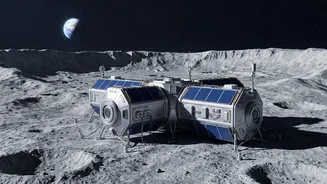
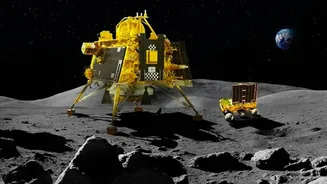
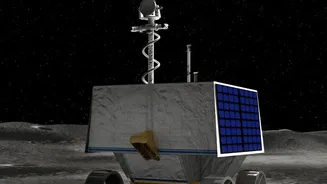
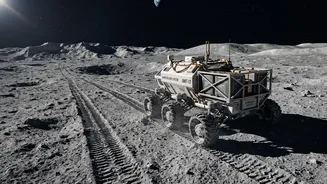
Getting around on the Moon is not a simple task. The Apollo-era Lunar Roving Vehicle was a marvel for its time, but for a permanent base, NASA needs something far more durable, versatile, and capable of autonomous operation. The Lunar Terrain Vehicle Services (LTVS) contract is NASA's solution. This multi-billion dollar initiative tasks several competing companies with developing next-generation rovers. Teams led by companies like Intuitive Machines, Lunar Outpost, and Venturi Astrolab are developing vehicles that can transport astronauts on spacewalks, haul cargo, and conduct scientific work telerobotically when no crew is present. This model means NASA will purchase services from the companies, who will own and operate their rovers, offering them for commercial use during downtime. This approach not only provides NASA with crucial exploration capability but also seeds a future market for lunar transportation.
Building the 'Internet of the Moon'
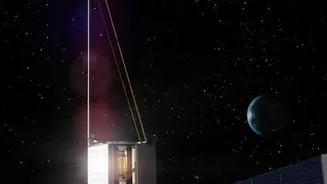
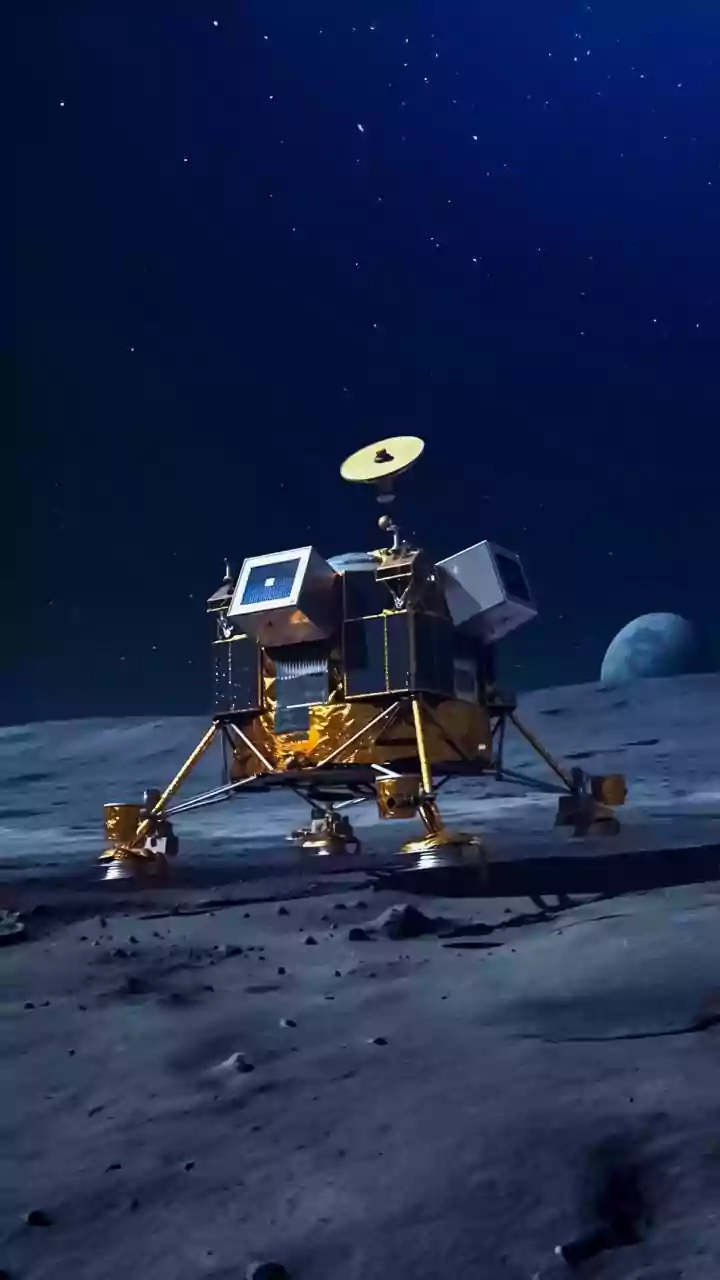
On Earth, we take constant connectivity for granted. On the Moon, especially at the resource-rich but geographically challenging South Pole, communication is a major hurdle. Direct-to-Earth links are not always possible due to line-of-sight issues. To solve this, NASA is championing the development of LunaNet, a framework for an interoperable, internet-like network at the Moon. This 'network of networks' will consist of orbiting satellites and surface nodes that provide continuous communication, navigation, and timing services, much like GPS and the internet on Earth. By establishing a set of common standards, NASA is enabling various international and commercial partners to contribute their own compatible hardware. This ensures that an astronaut on the far side of the Moon, a robotic rover, and a habitat can all seamlessly communicate with each other and with Mission Control back home.
From Student Ideas to Commercial Contracts
NASA's strategy for building this lunar infrastructure is multi_faceted, involving both established aerospace giants and fresh talent. While major contracts are awarded to companies for the LTVS and LunaNet components, the agency is also fostering grassroots innovation. The recently announced NASA Moon Base Challenge invites high school and post_secondary students to devise solutions for these very problems. The competition features categories for 'Surface Mobility' and 'Communication Networks', encouraging the next generation of engineers and entrepreneurs to think about the practical challenges of living and working on another world. This dual approach of big_dollar contracts and open innovation challenges ensures a pipeline of both near_term solutions and long_term talent, all aimed at the same goal of creating a sustainable lunar future.