



Understanding the River's Rhythm
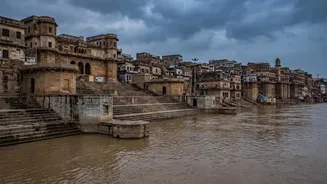
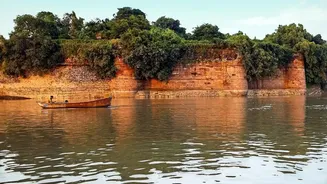
First, it's important to understand that rising water levels in the Ganga during the monsoon season (roughly June to September) are an expected, cyclical event. This isn't a surprise catastrophe but a powerful display of nature that locals anticipate
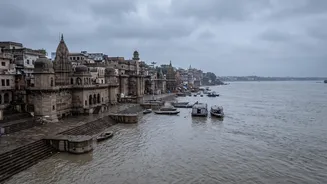
annually. As of early September 2026, the river has crossed its official warning level and is rising steadily, prompting authorities to take necessary precautions. The danger level has not yet been breached, but the upward trend means the situation on the ground can change daily. Forecasts predict more rain in the coming week, so authorities are maintaining a high alert.
Ghats Submerged, Boating Suspended
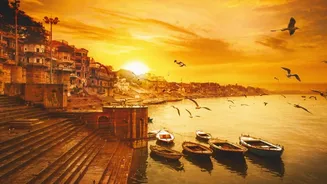
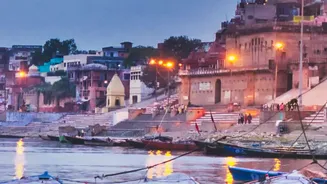
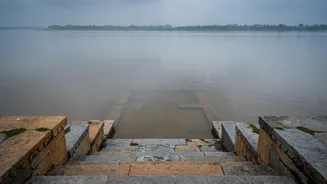
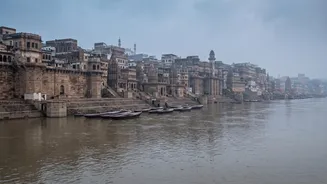
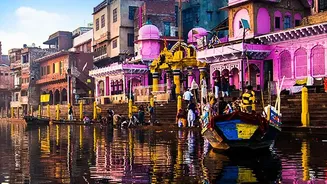
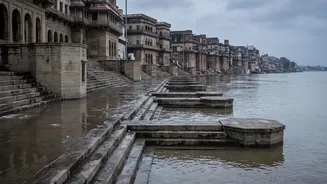
For tourists, the most immediate impact is at the famous ghats—the long stretches of steps leading down to the river. Many of the lower steps, and in some cases entire ghats, are currently submerged. This makes the traditional walk along the river connecting the 80-plus ghats impossible. Officials have strongly advised everyone, tourists and residents alike, to avoid venturing onto the ghats or near areas with strong currents. As a primary safety measure, all boat operations on the Ganga have been officially suspended. This means the iconic sunrise and sunset boat tours, a highlight for many visitors, are not currently available. Do not accept offers for unauthorized boat rides, as the currents are dangerously strong.
How Sacred Rituals Have Adapted
Varanasi’s world-renowned ceremonies continue, but in an adapted form. The spectacular evening Ganga Aarti at Dashashwamedh Ghat, normally held on the lower platforms, has been moved. Organizers are now conducting the ritual on the rooftops of adjacent buildings to accommodate the high water. This provides a unique, albeit different, viewing experience. Similarly, the ancient cremation rituals at Manikarnika and Harishchandra Ghats are facing challenges. With the lower areas completely inundated, cremations are being performed on higher terraces or the rooftops of the ghat buildings. This has caused logistical difficulties and longer waits.
Navigating a Waterlogged City
The rising Ganga also causes a backflow effect into its tributary, the Varuna river, leading to waterlogging in some low-lying residential areas of the city. While the main tourist zones and temples further from the riverbank remain largely accessible, getting around can be slower. The narrow lanes near the ghats may be more congested or partially flooded. It's wise to wear footwear with a strong grip suitable for wet and slippery surfaces and to allow extra time for travel within the city. For now, hotels, restaurants, and shops away from the immediate riverfront are operating as usual.
Is It Still Safe to Visit?
A visit to Varanasi right now is possible, but it requires adjusting expectations. If your trip is centered on boat rides and extensive exploration of the ghats, it might be better to postpone. However, the city itself remains open. The spiritual atmosphere, the winding alleys of the old city, and the major temples like the Kashi Vishwanath are still accessible. A monsoon visit offers a different perspective: a city washed clean, less crowded, and showcasing the raw power of the river that is central to its identity. The key is to prioritize safety: heed all official warnings, stay away from the river's edge, and be prepared for a very different, more contemplative Varanasi experience.