




The Great Ice Melt Accelerates
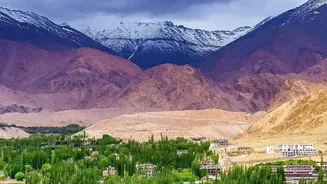
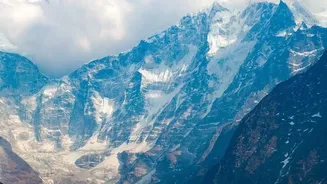
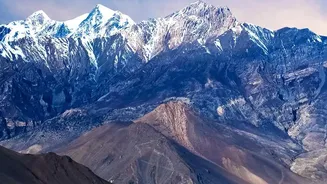
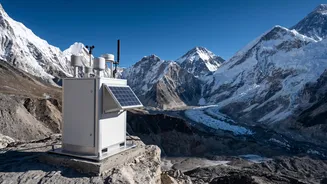
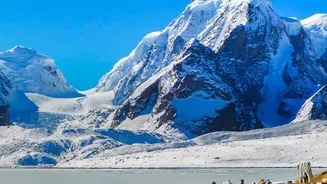
The story of the last decade in the Himalayas is a story of loss. Specifically, the loss of ice at a rate that has stunned scientists. Studies have revealed that the melting of Himalayan glaciers has doubled since the year 2000, with the pace quickening
significantly since 2010. This isn't a slow, uniform retreat; glaciers are losing the equivalent of more than a foot and a half of ice vertically each year. This accelerated thaw is turning centuries-old ice into vast quantities of meltwater. While this temporarily boosts river flows, it is a false promise of abundance. Scientists warn that this 'peak water' will be followed by long-term declines, threatening water security for the hundreds of millions downstream who depend on rivers like the Ganga and Brahmaputra.
From Steady Snow to Erratic Rains
As the ice has vanished, the very nature of water in the Himalayas has changed. The reliable rhythm of snowfall and gentle melt is being replaced by an erratic and violent monsoon cycle. Climate change is supercharging the monsoon, leading to prolonged dry spells broken by short, ferocious bursts of extreme rainfall. This pattern has been the trigger for numerous disasters. In August 2023, massive rainfall led to floods and landslides across Himachal Pradesh, killing dozens and causing extensive damage. Similar events of unseasonal, intense rain have repeatedly struck Uttarakhand, washing away roads and bridges. This shift from snow to rain destabilises the fragile mountain slopes, making devastating landslides an increasingly common feature of the Himalayan landscape.
The Rise of Catastrophic Floods
The combination of melting glaciers and intense rain has given rise to a particularly terrifying threat: Glacial Lake Outburst Floods (GLOFs). As glaciers retreat, they leave behind massive lakes dammed by unstable walls of rock and debris. Rising temperatures are causing these lakes to rapidly expand, turning them into ticking time bombs. The Sikkim GLOF in October 2023 was a devastating example, where a breach in the South Lhonak Lake unleashed a flood that claimed over 170 lives. The risk is widespread, with surveys identifying thousands of glacial lakes across the Himalayas, many of them in high-risk zones. These events happen with little warning, sending a tsunami-like wave of water, mud, and boulders downstream, destroying everything in its path.
When the Mountainside Gave Way
Perhaps no single event captures the complex, cascading nature of these disasters better than the Chamoli tragedy in February 2021. Initially mistaken for a GLOF, subsequent analysis revealed a more complex cause: a massive chunk of rock and ice, estimated at 27 million cubic metres, broke off from Ronti Peak. As it careened down the valley, the friction generated melted the ice, transforming the avalanche into a monstrous debris flow. This torrent of water, rock, and mud obliterated two hydropower projects and killed over 200 people. Experts concluded that warming temperatures contributed to destabilising the rock and ice, highlighting how climate change can trigger disasters that are not just floods but geological collapses.
A Human and Infrastructure Crisis
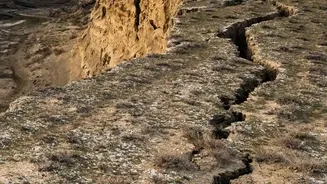
The timeline of the last 12 years is marked by profound human loss and a relentless assault on infrastructure. Disasters have repeatedly destroyed homes, roads, bridges, and critically, hydropower projects, which are often built in these fragile valleys. Communities find themselves in a constant cycle of recovery, only to be hit by another disaster before they can fully rebuild. Events like the 2023 Joshimath crisis, where buildings developed huge cracks due to land subsidence, and the 2023 Uttarakhand tunnel collapse, have exposed the immense risks of unchecked construction in a geologically active and climate-stressed region. The people who have contributed least to global warming are bearing the highest cost.