


Understanding the Eras
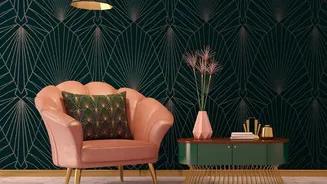
Before diving in, it helps to know the key periods famous for their geometric flair. The Art Deco movement of the 1920s and 30s is known for its luxurious and symmetrical patterns, like chevrons, sunbursts, and stepped forms, often in high-contrast palettes
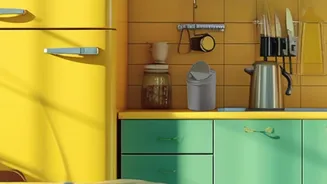
with metallic accents. Fast forward to the 1950s and 60s, and Mid-Century Modern (MCM) offers a more playful, organic take on geometry. Think atomic starbursts, clean lines, and abstract shapes in warmer, earthier tones like orange, brown, and teal. The 1970s took boldness a step further with large-scale, swirling graphics and an earthy palette of avocado green, mustard yellow, and burnt orange.
Start Small with Accents
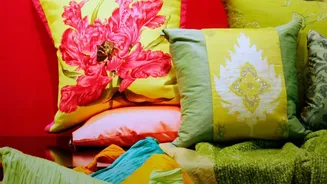
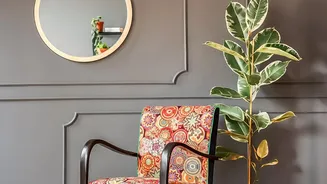
The easiest way to experiment with any bold trend is to start with small, low-commitment pieces. Instead of wallpapering an entire room, introduce a vintage geometric pattern through accessories. Throw pillows, a statement-making area rug, or a ceramic lamp with a graphic base can add a powerful punch of style without overwhelming the space. These items are easy to swap out and allow you to see how a pattern interacts with your existing furniture and lighting before you invest in a larger piece. An accent chair upholstered in a cool MCM print can also serve as a perfect focal point.
Master the Mix: Scale and Colour
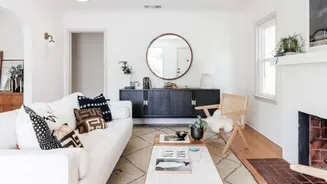
Mixing patterns is an art, but a few simple rules make it easy. The key is to vary the scale. If you choose a large-scale geometric pattern for a rug, pair it with smaller-scale patterns on your cushions or curtains. This creates a visual hierarchy and prevents patterns from competing for attention. Stick to a unified colour palette to ensure the look feels cohesive. Pull two or three key colours from your main 'hero' pattern and repeat them in the other patterns and solid-coloured items in the room. This shared colour story will tie everything together beautifully.
Balance Boldness with Neutrals
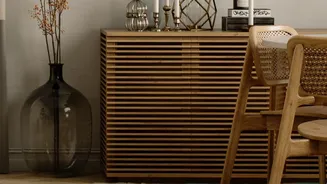
Geometric patterns carry a lot of visual weight, meaning they naturally draw the eye. To keep the room from feeling chaotic, balance is essential. Use solid, neutral colours to give the eye a place to rest. If you have a bold, graphic wallpaper on an accent wall, consider a sofa in a simple, solid colour like grey, beige, or cream. Natural textures like wood, rattan, or linen also work wonders to soften the sharp lines of geometric prints, adding warmth and preventing the style from feeling too rigid. The goal is to let your chosen pattern be the star without it shouting down everything else in the room.
Where to Find Your Patterns
Sourcing vintage-style decor is part of the fun. For authentic pieces, local antique shops, flea markets, and online marketplaces are treasure troves. However, you don't need a true vintage item to get the look. Many contemporary decor brands offer fabrics, wallpapers, tiles, and accessories with patterns directly inspired by iconic historical designs. These modern reproductions offer the crisp look of vintage patterns with the durability of new materials, giving you the best of both worlds. Whether you are looking for Art Deco wallpaper, Mid-Century Modern fabric, or a 70s-inspired rug, a quick search will reveal plenty of options for every budget.