






The Monsoon's Central Role
In India, the southwest monsoon is more than just rainfall; it's the lifeblood of the agricultural economy. The farm sector employs nearly 40% of the country's workforce and contributes around 18% to the economy. A successful monsoon, arriving on time
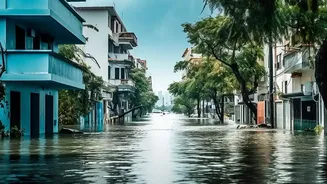
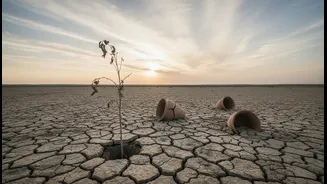
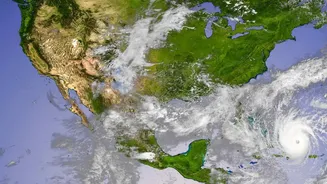
and distributing rain evenly, leads to bountiful harvests for critical kharif crops like rice, soybeans, and cotton. This directly translates to higher income for farmers and agricultural labourers. Conversely, a weak or erratic monsoon can lead to lower crop yields, reduced earnings, and widespread economic distress in rural areas, where a majority of India's population resides. This year, the threat is compounded by the emergence of El Niño conditions, which are associated with weaker rainfall.
Why Rural Demand is Crucial for FMCG
For decades, FMCG companies have seen rural India as a key growth engine. These markets, encompassing thousands of villages and small towns, contribute between 30% to 45% of total revenues for most major consumer goods firms. In recent years, rural consumption has often grown faster than in urban centers, making it a critical driver of overall performance for companies selling everything from packaged foods and soaps to personal care items. This growth is built on rising rural incomes, better connectivity, and a shift from loose, unbranded products to packaged goods. When rural wallets are full, demand for these daily-use items surges.
The Forecast: A Cause for Concern
Recent forecasts for the 2026 monsoon have put companies on alert. The India Meteorological Department (IMD) has revised its projection downwards, anticipating rainfall to be around 90% of the long-period average (LPA). June 2026 has already been recorded as one of the driest in over a decade, with rainfall nearly 40% below the LPA, and July is also expected to see below-normal rain. Analysts at S&P Global Ratings have warned that an unusually dry monsoon, combined with higher agricultural input costs, could significantly hurt farm incomes and slow rural consumption. This has prompted caution across the industry, which had been banking on a rural recovery to drive growth.
The Economic Ripple Effect
The impact of a weak monsoon creates a clear chain reaction. Lower farm output means less disposable income for rural households. This forces consumers to prioritise essential spending and cut back on discretionary or non-essential purchases. For the FMCG sector, this could mean lower sales volumes for products like biscuits, snacks, soft drinks, and premium personal care items. Analysts estimate that every 1% deviation in monsoon rainfall can reduce rural consumption growth by as much as 0.7 percentage points. Beyond FMCG, sectors like tractors and two-wheelers, which also depend heavily on rural purchasing power, are considered vulnerable.
Potential Mitigating Factors
While the outlook is concerning, the situation is not without potential buffers. India's economy has become less dependent on agriculture over the decades, with services and manufacturing playing a larger role. Government initiatives, such as employment schemes and support prices for crops, can provide a safety net and help sustain rural incomes. Furthermore, reservoir levels were reported to be above the ten-year average heading into the season, which could support irrigation needs to an extent. Some companies are also preparing by focusing on smaller, more affordable product packs to cater to price-sensitive consumers, a strategy often deployed during periods of economic stress.