


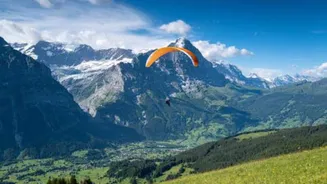
Why Spring and Summer Reign Supreme
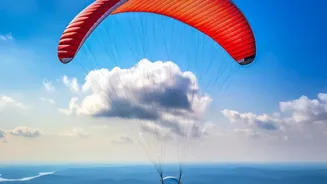
The secret to a long, scenic paragliding flight lies in the weather, specifically in rising columns of warm air called thermals. Spring and summer are the prime seasons for this phenomenon in the French Alps. As the sun's angle gets higher, it heats the mountain
slopes, which in turn warms the air above them. This warmer, less dense air rises, creating invisible elevators that pilots can use to gain altitude and extend their flight time significantly, turning a simple descent into a soaring journey across valleys. The flying window during these seasons can extend up to 11 hours a day, compared to just two or three in mid-winter. While flying is possible year-round, the reliable thermals and generally stable weather patterns from April through September provide the most consistent and enjoyable conditions for pilots of all levels.
Decoding the Alpine Flying Season
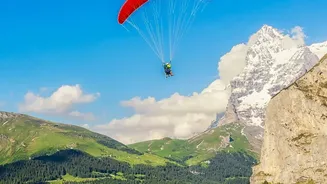
Not all warm months are created equal. The prime flying season can be broken down to match your skill level and desires. Spring (April-June) is often considered a favourite time for paragliders. The contrast of snow-capped peaks against greening valleys is visually stunning, the air is remarkably clear, and the thermals are strong, offering dynamic conditions for long flights. Summer (July-August) brings the longest days and the most powerful, well-developed thermals, making it ideal for cross-country (XC) pilots aiming for distance. However, this is also peak season, meaning more crowds on launch sites and potentially turbulent midday air that can be challenging for beginners. Autumn (September-October) is a well-kept secret. You'll find warm weather, fewer crowds, and calm, stable air, all set against a backdrop of spectacular fall colours.
Iconic Launch Points and Breathtaking Views
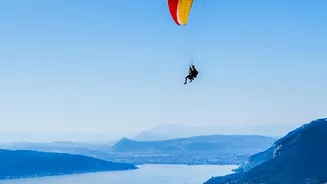
France is a world-class paragliding destination, with the Alps at its heart. Perhaps the most famous site in Europe is the Col de la Forclaz, overlooking Lake Annecy. With over 1,000 take-offs on a peak summer day, its popularity is due to the jaw-dropping view of the turquoise lake framed by the Dents de Lanfon and La Tournette peaks. Chamonix is another legendary location, offering the unparalleled experience of flying with Mont Blanc, Europe’s highest peak, as your backdrop. The infrastructure from ski season, like cable cars, provides easy access to high-altitude launch points. Other renowned areas include Saint-Hilaire near Grenoble, home to the world's largest free-flight festival, the Coupe Icare, and sites throughout the Southern Alps, which boast over 300 days of sunshine a year.
Essential Planning and Safety Tips
Safety is paramount in paragliding. The sport is statistically safe, especially on tandem flights where you are paired with a certified professional pilot who handles all the controls and makes key decisions. However, you should still be prepared. Always choose a reputable, certified school or pilot. Before any flight, pilots conduct rigorous equipment inspections and check weather forecasts, as conditions in the mountains can change rapidly. For your own comfort and safety, wear sturdy, closed-toe shoes suitable for a short run on take-off, a windbreaker or warm layers, and sunglasses. Even on a warm summer day, the temperature at altitude is significantly cooler. Booking in advance is highly recommended, especially during the peak months of July and August.