

India's 'Friend in Space'
Vyommitra, a name derived from the Sanskrit words 'Vyoma' (space) and 'Mitra' (friend), is a 'half-humanoid' robot developed by the Indian Space Research Organisation (ISRO). First unveiled in 2020, she has the appearance of a woman but is built with
a torso, head, and two arms, foregoing legs as they are unnecessary for her role inside the spacecraft's crew module. Developed at the Vikram Sarabhai Space Centre, Vyommitra is far more than a simple crash-test dummy. She represents a significant step in India's indigenous technological capabilities, blending robotics, artificial intelligence, and materials science to create a proxy for human astronauts. Her body, constructed from a lightweight aluminium alloy, is designed to withstand the intense vibrations and pressures of a rocket launch.
A High-Tech Stand-In for Astronauts
Vyommitra is engineered to simulate human functions and interact with the spacecraft just as an astronaut would. Her capabilities are extensive: she can operate the switch panels on the crew module, monitor environmental controls and life-support systems, and read instrument panels. Equipped with advanced AI, she can recognise human faces, respond to queries in both Hindi and English, and communicate directly with the ground control team, providing real-time data and status updates. This allows ISRO to test the ergonomics and functionality of the crew cabin's interfaces before a human ever steps inside. By mimicking crew procedures, she will help validate that every system is ready for the immense challenge of human spaceflight.
The Critical Role in Gaganyaan's Safety
The primary purpose of sending Vyommitra on uncrewed Gaganyaan test flights is to gather critical data on how the spacecraft performs and what a human body would experience. She will act as a robotic crew member, monitoring key parameters like cabin pressure, temperature, and oxygen levels. Crucially, her presence allows ISRO to test the vehicle's life support systems and performance in the harsh environments of launch, orbit, and re-entry without risking human life. This is part of the 'human-rating' process, a series of exhaustive tests to ensure a spacecraft is safe enough for people. By using a humanoid, ISRO can better understand the effects of microgravity and radiation on the human body, a key objective that cannot be fully achieved with instruments alone. This approach also reflects an ethical shift toward using robotics for tests that might have previously used animals.
Paving the Way for a Historic Launch
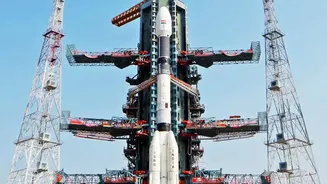
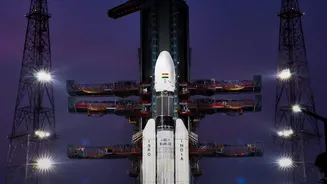
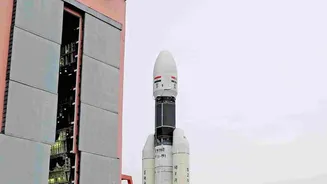
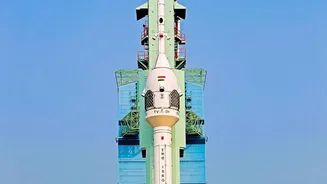
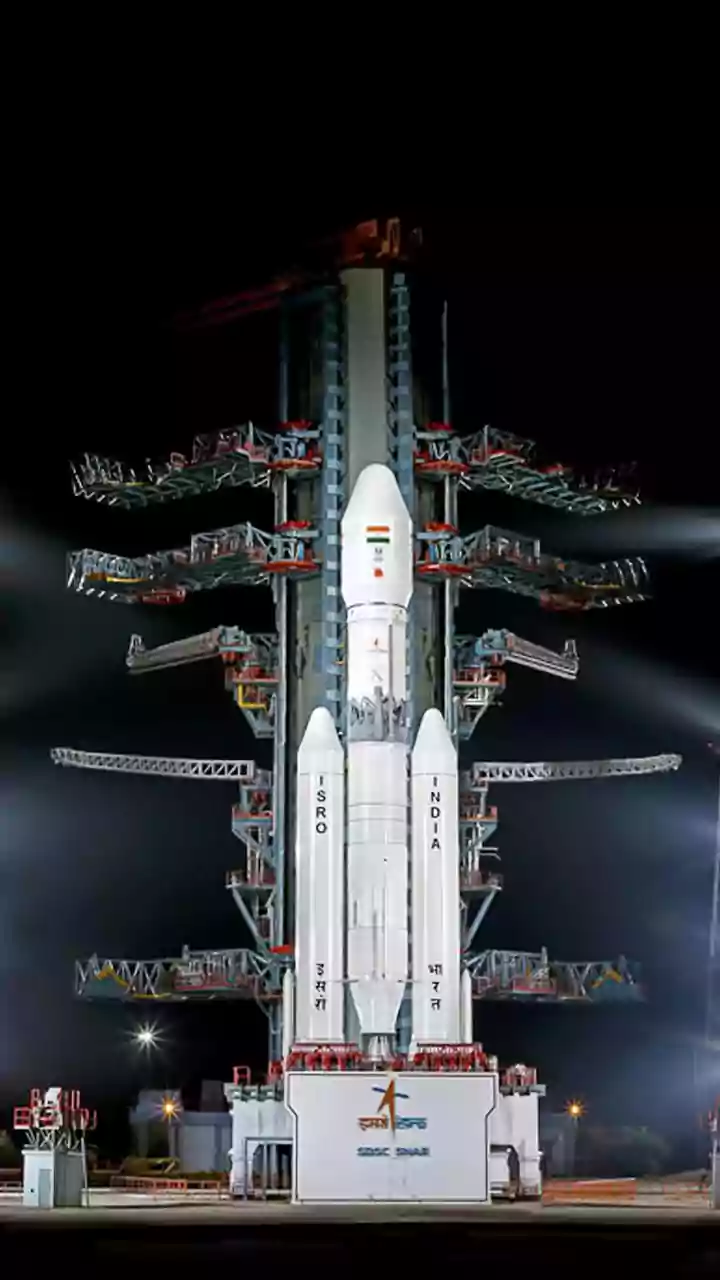
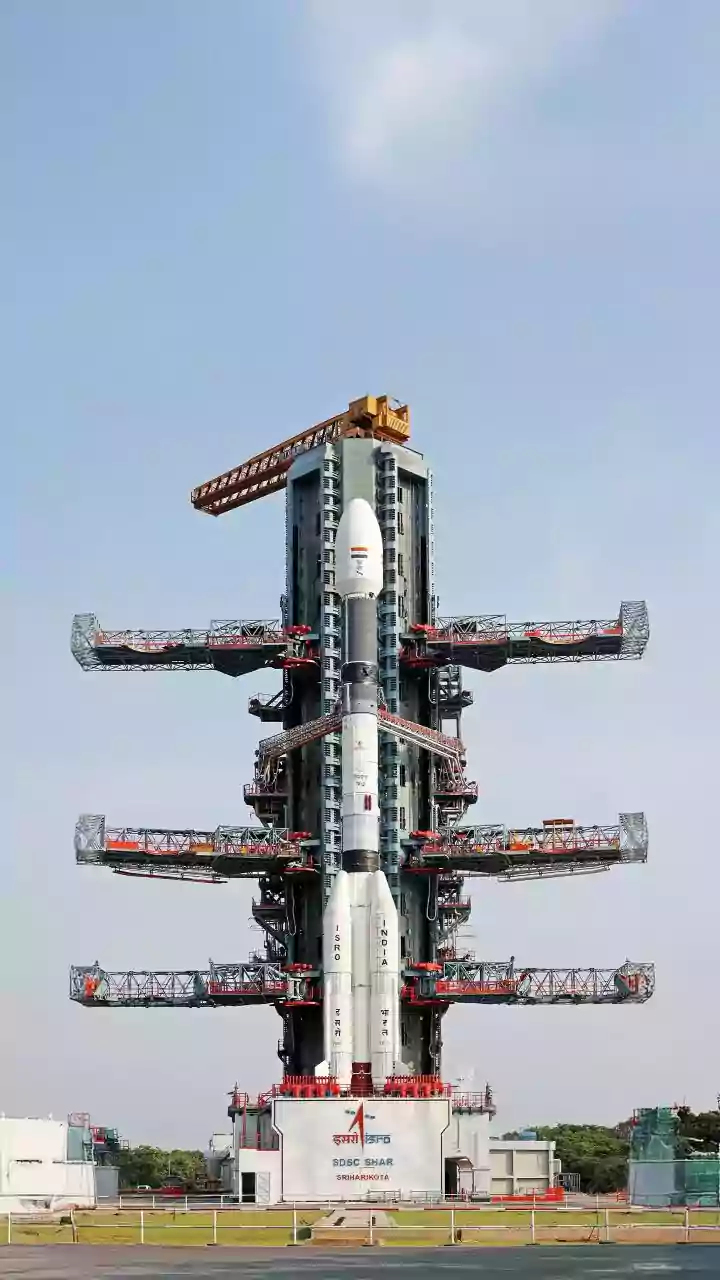
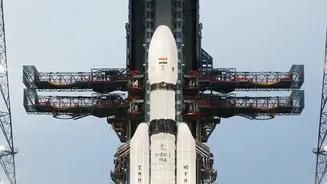
Vyommitra is scheduled to fly on the first uncrewed Gaganyaan mission, designated G1, which is currently targeted for the fourth quarter of 2026. This mission is the first in a series of uncrewed test flights designed to validate all the components of the Gaganyaan system, from the powerful Human Rated Launch Vehicle (HLVM3) rocket to the crew module's re-entry and recovery. Following the initial flight with Vyommitra, ISRO plans at least two more uncrewed missions to perfect the system's reliability. If these precursor missions are successful, India aims to launch its first crewed mission, H1, carrying three astronauts into a low Earth orbit of about 400 kilometres, by 2027. This historic flight would make India only the fourth nation in the world to independently send its citizens into space.