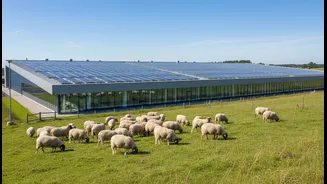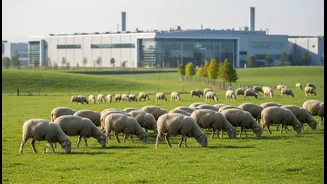





From Brownfield to Brightfield
In the world of urban planning, these former industrial properties are known as “brownfields”—sites where redevelopment is complicated by the potential presence of pollutants or contaminants. For decades, they have represented economic decline and environmental
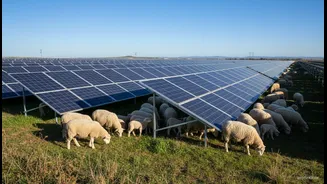
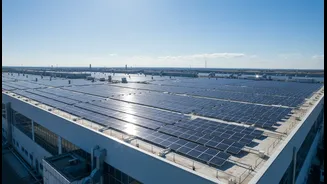
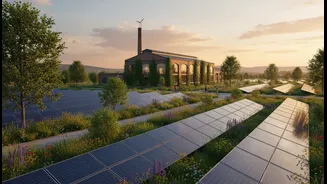
concern, often sitting vacant and unused. However, a forward-thinking approach is reframing these challenges as opportunities. By developing solar farms on this land, communities are creating what are now called “brightfields”. The logic is compelling. These sites are typically located near existing infrastructure like roads and transmission lines, which significantly reduces the cost and complexity of connecting a new power source to the grid. Instead of clearing forests or using valuable agricultural land, developers can give a second life to property that has already been impacted by industrial use, turning a community liability into a sustainable asset.
A New Generation of Power
A facility with a capacity of 18.3 megawatts (MW) is a significant power source at the community level. While sizes vary, a project of this scale represents a serious investment in local energy independence. To put it in perspective, a typical modern solar farm can power several hundred homes per megawatt. An 18.3MW facility could therefore generate enough clean electricity to power thousands of local households annually. This energy is fed directly into the local utility grid, increasing the supply of renewable power and enhancing the grid's resilience. By decentralizing power generation, these projects make the local energy supply less vulnerable to disruptions and can help stabilize energy costs for residents. Rather than relying on distant power plants, communities with brightfield projects are taking a tangible step toward controlling their own energy future.
More Than Just Megawatts
The true innovation of these projects lies in the “multi-use landscape” concept. The goal isn’t just to install solar panels; it's to create an ecosystem of benefits. One of the most popular approaches is to cultivate pollinator-friendly habitats beneath and around the solar arrays. By planting native grasses and wildflowers, these facilities can become vital sanctuaries for bees, butterflies, and other essential pollinators that are crucial for local agriculture and biodiversity. Furthermore, many of these projects are structured as “community solar” initiatives. This model allows local residents and businesses, including those who cannot install their own rooftop panels, to subscribe to a share of the solar farm's output. In return, they receive credits on their electricity bills, making renewable energy more accessible and affordable for everyone. The transformation also has a visual and social impact, replacing a derelict industrial site with a clean, quiet, and productive landscape.
The Economic and Community Payoff
The redevelopment of a brownfield into a solar farm delivers substantial economic rewards to the host community. The construction phase alone creates hundreds of temporary jobs for skilled laborers, engineers, and technicians. Once operational, the facility becomes a significant source of local tax revenue. These long-term payments can provide crucial funding for schools, libraries, emergency services, and road maintenance, often far exceeding the tax income the derelict property previously generated. Studies have shown that these projects can even increase the property values of nearby homes by transforming a local eyesore into a sign of progress and investment. For landowners, leasing their property for a solar farm can provide a stable, long-term income stream that is not subject to the price fluctuations of traditional crops, helping to keep family land in the family for future generations.