



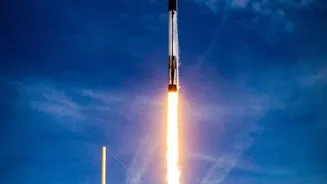

SpaceX just took a giant leap toward making space travel routine. Its latest Starship test saw a massive rocket captured in mid-air by robotic arms, a sci-fi dream made real. But the mission wasn't a total success. Here's what happened.
A Tale of Two Rockets
The fifteenth test
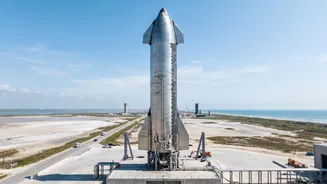
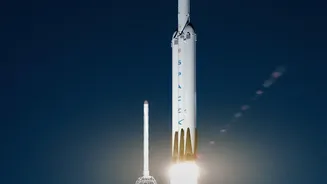
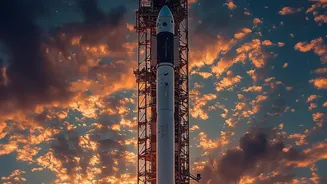
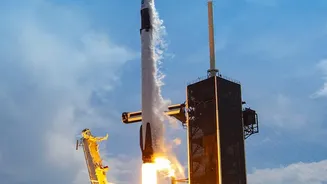
flight of the Starship system had an ambitious, two-part goal: launch the massive, two-stage rocket, and then recover both pieces for the first time. The system consists of the Super Heavy booster, which provides the initial thrust, and the Starship spacecraft, which sits on top. The ultimate vision for Starship is full and rapid reusability, much like an airplane, which would dramatically lower the cost of accessing space. To achieve this, both the booster and the ship must return to the launch site to be caught, serviced, and flown again. Flight 15 was the first time SpaceX attempted to recover both stages on a single mission, a maneuver essential to its long-term business model.
What Went Right: A Historic Catch
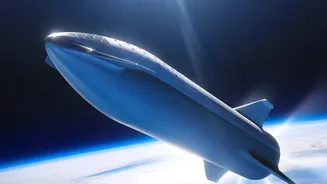
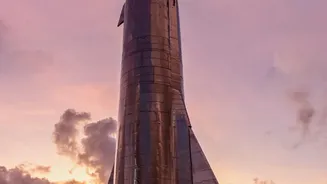
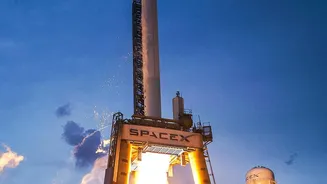
The star of the show was the Starship upper stage, also known as 'Ship'. After a successful launch on November 13 from Starbase, Texas, the spacecraft separated from its booster, deployed 26 Starlink satellites into orbit, and spent nearly a full day in space. Then came the main event. After 14 orbits, the Starship executed a deorbit burn and began its fiery plunge back through Earth's atmosphere. It maneuvered itself towards the launch tower, where a pair of giant robotic arms, nicknamed 'Mechazilla' or the 'chopsticks', were waiting. In a stunning display of precision engineering, the arms closed around the descending spacecraft, catching it successfully. It was the first time an orbital spacecraft had ever been recovered this way, a monumental achievement for the program.
What Went Wrong: The Booster's Fate
While the Starship's return was a triumph, its partner, the Super Heavy booster, did not share the same success. The plan was for the booster to perform its own powered descent and be caught by the same tower just minutes after launch. However, following stage separation, the booster's automated systems detected an issue. According to SpaceX, a low-fuel alarm was triggered during its boostback burn, causing the rocket to automatically abort its return to the launch site. The booster diverted its course to a safe splashdown zone in the Gulf of Mexico, where its flight termination system was activated and it exploded. This meant the 'double catch' was incomplete, and 33 valuable Raptor engines were lost.
Why This Isn't a Full Failure
In the world of iterative rocket development, a test that yields data is never a total loss. The primary success of catching the Starship itself proves the most challenging part of the recovery architecture works. SpaceX now has a returned orbital spacecraft to inspect, providing invaluable data on how its heat shield and systems held up to the rigors of spaceflight and reentry. Elon Musk noted that the loss of the booster, while not ideal, does not change the company's timeline. He explained that the designs for these early vehicles are already being improved upon in production. The successful Ship capture is a massive validation of their approach and moves the company significantly closer to its goal, even with the booster loss.
The Road to Full Reusability
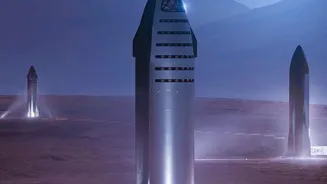
Mastering the double catch is the key that unlocks SpaceX's vision for the future. Full reusability is what makes ambitious goals like building a city on Mars and launching thousands more Starlink satellites economically viable. It is also critical for NASA's Artemis program, which has selected Starship as the lunar lander to return humans to the Moon. Before that can happen, SpaceX must demonstrate not only consistent recovery of both stages but also in-orbit refueling, another complex maneuver that will require multiple Starship launches. The historic catch on Flight 15 will likely result in the recovered Ship 42 being retired for public display, a testament to its achievement. Meanwhile, the focus will turn to understanding the booster anomaly and preparing for the next attempt to finally bring the whole system home.