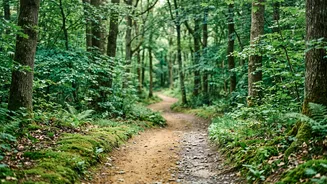





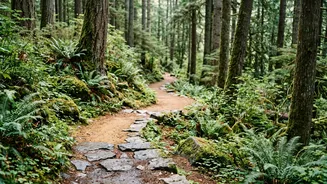


In a world that often prizes speed, the idea of a 'slow' hike can feel counterintuitive. But what if the greatest rewards of the trail aren't at the summit, but in the steady, comfortable rhythm of the journey itself? It's time to rethink the pace.
Let Go of the Race
The
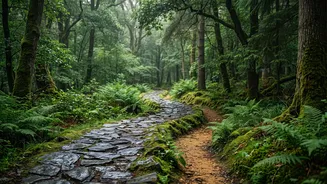
image of hiking often involves conquering steep peaks and covering long distances at a grueling pace. For many, this all-or-nothing approach can be intimidating, creating a barrier to entry. But hiking doesn't have to be a race to the top. Embracing a steady, comfortable walking pace is a rewarding philosophy that transforms the activity from a physical conquest into a mindful experience. It prioritizes the journey over the destination, allowing you to connect more deeply with your surroundings and your own body. By letting go of the pressure to keep up with a faster partner or an imaginary schedule, you open yourself up to a more sustainable and enjoyable way of experiencing the outdoors.
Physical Perks of a Gentle Pace
Walking at a comfortable speed is a highly effective form of low-impact cardiovascular exercise. It strengthens your heart, improves circulation, and helps manage blood pressure without the intense strain on joints that comes with running or more aggressive hiking. This steady effort is excellent for building endurance and muscle strength, particularly in the legs, glutes, and core, as you navigate uneven terrain. Regular, moderately paced hikes can contribute to healthy weight management, improve sleep quality, and boost your overall physical fitness, proving that you don't need to be out of breath to get a fantastic workout.
The Mental Health Boost
Slowing down on the trail is not just good for the body; it's profoundly beneficial for the mind. This approach is similar to the Japanese practice of 'Shinrin-yoku' or 'forest bathing', which involves immersing yourself in nature with all your senses. Research has shown that spending time in natural environments can significantly reduce stress hormones like cortisol, alleviate symptoms of anxiety and depression, and improve your mood. A slower pace allows your mind to shift away from repetitive negative thoughts and focus on the present moment, listening to birdsong, noticing the light through the trees, and feeling the ground beneath your feet. Even a short walk in nature can restore attention and enhance cognitive function.
Finding Your Natural Rhythm
So, what is a 'comfortable pace'? It's a pace that is unique to you. A good rule of thumb is the ability to hold a conversation without gasping for air. If you're breathing too heavily, simply slow down. Another technique is to sync your breathing with your steps, a method that promotes a steady rhythm and helps manage effort, especially on inclines. Listen to your body's signals. Take short, regular breaks to drink water, have a snack, and simply enjoy the view. The goal is to finish your hike feeling pleasantly invigorated, not completely exhausted. With practice, you'll learn to recognize and maintain the pace that feels right for you on any given day or trail.
Engage Your Senses, Enrich the Walk
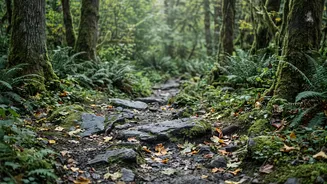
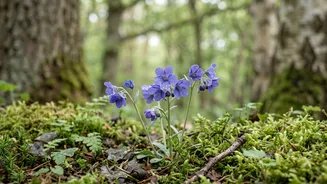
When you're not focused on speed, a whole new world opens up. A slower walk is an invitation to engage all your senses. Pay attention to the details you might otherwise miss: the intricate patterns of moss on a rock, the smell of damp earth after a light rain, the sound of leaves rustling in the wind, and the feeling of the sun on your skin. This mindful observation helps break the cycle of a busy mind and fosters a powerful sense of connection to the natural world. It turns a simple walk into a rich, restorative experience that nourishes your well being far more than just burning calories ever could.