




What Exactly Is a Ginger Compress?
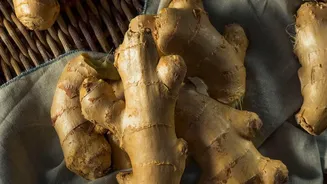
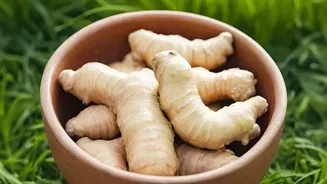
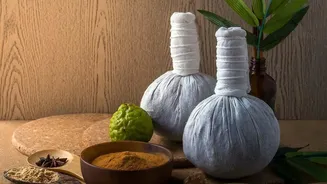
A ginger compress, sometimes called a ginger poultice, is a simple external therapy used for centuries in traditional medicine. It involves a cloth soaked in hot water that has been infused with fresh ginger. This warm, moist towel is then applied to the skin
over an area of discomfort. The idea is to combine the therapeutic benefits of heat with the natural properties of ginger to provide localised relief. The heat helps to relax muscles and increase blood flow, while the compounds in ginger are believed to penetrate the skin to ease pain and inflammation.
The Traditional Wisdom Behind Its Use
Traditionally, ginger compresses are used to address a wide range of issues, particularly those related to pain, stiffness, and congestion. They are a go-to remedy for sore muscles, backaches, menstrual cramps, and arthritic joint pain. The warming quality of the compress is thought to improve circulation and break up stagnation, which in many holistic practices is seen as a root cause of pain and stiffness. It has also been used to provide comfort for respiratory issues like bronchitis by placing the compress on the upper back or chest.
A Step-by-Step Guide to Making One Safely
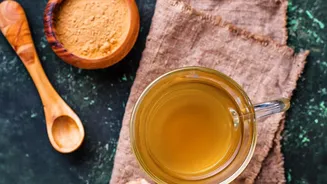
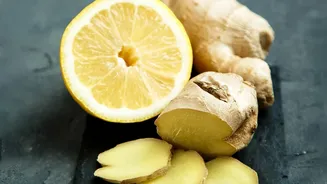
Making a ginger compress at home is straightforward. You will need about a golf-ball-sized piece of fresh ginger root, a large pot of water, a grater, and a few cotton towels. First, grate the fresh ginger. You can place the gratings into a small cheesecloth or cotton bag, or simply add them directly to the water. Bring about two litres of water to a simmer in a pot, then add the ginger and let it steep for 5-10 minutes. Turn off the heat. Fold a towel and dip it into the hot ginger water, being careful not to burn your hands. Wring out the excess water thoroughly. Before applying, test the towel’s temperature on your forearm to ensure it is comfortably warm, not scalding. Place the compress on the affected area, cover it with a dry towel to retain the heat, and leave it on for about 15-20 minutes, reapplying a freshly soaked towel as it cools.
The Science of Soothing
While large-scale clinical trials on ginger compresses are limited, the science behind its components offers plausible explanations for its effects. Ginger is rich in powerful anti-inflammatory compounds like gingerols and shogaols. Research shows these compounds can inhibit inflammatory pathways in the body, similar to how some pain medications work. The application of heat, known as thermotherapy, is a well-established method for pain relief. It increases blood flow (vasodilation) to the target area, which helps flush out metabolic waste products that contribute to pain and delivers more oxygen and nutrients to the tissue. Studies on topical ginger applications for osteoarthritis have shown promising results in reducing pain and improving mobility, suggesting that its anti-inflammatory properties can be effective when absorbed through the skin.
Know the Limits: Your Doctor Is Your Primary Guide
This is the most critical point. While a ginger compress can be a wonderfully soothing and supportive therapy, it is not a substitute for professional medical care. It can help manage symptoms like muscle soreness or mild arthritic pain, but it does not diagnose or cure the underlying condition. Never use a compress on broken skin, an open wound, or an area with a rash. Be cautious if you have very sensitive skin, and avoid this remedy in cases of high fever. If you are experiencing persistent, severe, or unexplained pain, it is essential to see a doctor. Symptoms like intense joint swelling, difficulty breathing, or chronic pain need a proper diagnosis and treatment plan from a qualified healthcare provider. Think of a ginger compress as a valuable member of your wellness support team, not the team captain.