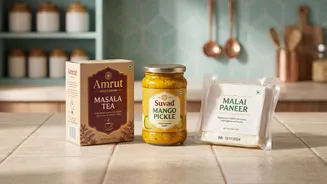








1. Examine the Printing Quality
The first and most immediate clue lies in how the date is printed. Manufacturers use high-speed, automated systems like inkjet printers that produce clean, uniform text. Look closely at the area where the manufacturing date, expiry date, and batch number
are printed. Be cautious if the print appears smudged, blurry, misaligned, or uses a different font or ink colour compared to the rest of the packaging information. An authentic print will be crisp and consistent. If you can easily smudge the ink with a gentle rub of your finger, it’s a major red flag that the original date may have been erased with a chemical thinner and reprinted manually.
2. Watch Out for Suspicious Stickers
A common tactic used to hide an old expiry date is to simply cover it with a new sticker. While some stickers are a legitimate part of packaging, be extra vigilant if a sticker is placed directly over the area where the date is typically printed. Try to feel the edges of the sticker and look closely to see if there is older printing visible underneath or around it. A genuine label will have all details like the batch number and date printed in a consistent style. If a sticker seems conveniently and precisely placed to obscure an earlier date, it's safer to not trust the information and choose another pack.
3. Inspect the Packaging Integrity
The condition of the packaging itself can tell you a lot about the product's journey and authenticity. Scrutinise the area around the printed date for any signs of tampering. Look for scratches, unusual thickness, or discoloration that might suggest the original date has been scraped off. Also, check the overall condition of the package. Seals that look broken and reglued, unusual glue marks, or swollen and leaking packets are all warning signs. Even if the date looks fine, damaged or compromised packaging means the food inside may no longer be safe, regardless of what the label says.
4. Check for Mismatched Information
A forged label often betrays itself through inconsistency. Look at the entire package as a whole, not just the expiry date in isolation. The brand name, ingredients list, nutritional panel, and other printed details should all have a consistent appearance in terms of font, ink shade, and print quality. Pay attention if one section, particularly the date or batch number, suddenly looks newer, clearer, or different from the surrounding text. The batch or lot number is crucial for traceability, so if it is missing, altered, or appears inconsistent with the rest of the label, consider it a warning sign.
5. Trust Your Senses and the Context
Sometimes, the most powerful tools you have are your own senses and common sense. If a product that is usually vibrant looks faded, or if a typically crisp item feels soft, it might be old despite a fresh-looking date. An unusual odour is another key indicator that something is wrong. Furthermore, consider where you are buying the product and its price. If an item is being sold at a dramatically lower price than usual or from a vendor you are unfamiliar with, it could be because the stock is near or past its expiry. While a discount doesn't automatically mean fraud, it warrants a more thorough check of the product's packaging and dates.