


The Great Carb Conspiracy
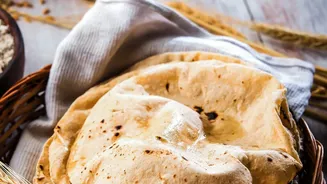
The belief that you shouldn't mix roti and rice stems from the idea that doubling up on carbohydrates in a single meal leads to excess calorie intake and digestive issues like bloating. The theory suggests both are high-carb grains, and consuming them
together causes a significant spike in blood sugar, which, if not used for energy, gets stored as fat. This advice became popular in diet culture, which often demonises carbohydrates as the primary enemy of weight loss. While there's a kernel of truth—both are carb sources—this view misses the bigger picture of how our bodies and traditional Indian meals actually work. The problem isn't the combination itself, but the context in which they are eaten.
The Real Culprit: Portion Size
The single most important factor in weight management is not what you eat, but how much. Weight loss fundamentally boils down to being in a calorie deficit, which means consuming fewer calories than your body burns. You can eat the 'healthiest' foods in the world, but if your portions are too large, you won't lose weight. Conversely, you can include your favourite foods, like roti and rice, in moderation and still achieve your goals. The issue arises when a plate is dominated by these grains, leaving little room for other essential nutrients. A meal of four rotis and a large mound of rice, with only a tiny serving of dal and sabzi, is indeed a problem. However, one small roti and a few spoonfuls of rice on a plate filled with vegetables and protein is a completely different story.
Balance Your Thali
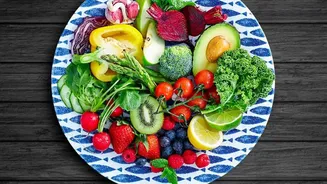
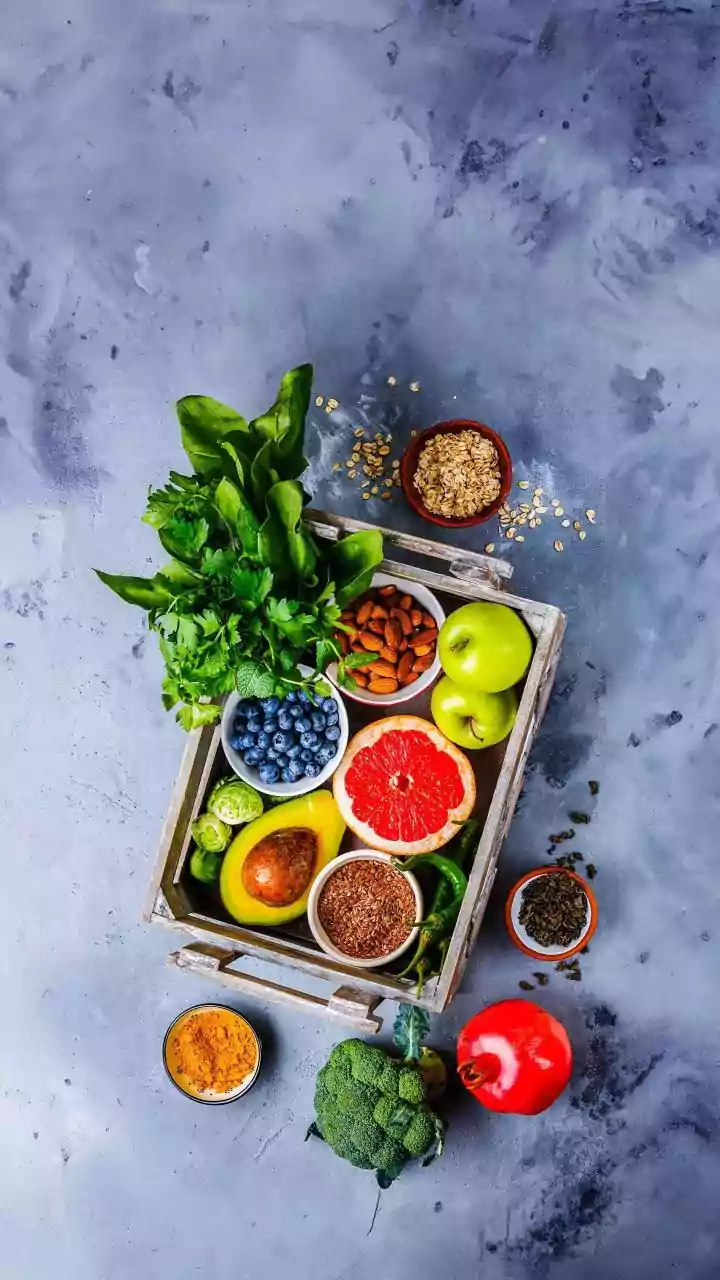
A traditional Indian thali is a masterclass in balanced nutrition, designed to be satisfying and wholesome. It naturally incorporates proteins (dal, curd, paneer), fibre and vitamins (vegetables, salad), and carbohydrates (roti, rice). When you eat a balanced plate, the fibre from vegetables and protein from dal slow down the digestion and absorption of carbohydrates. This prevents the sharp blood sugar spike that can occur when you eat carbs alone, leading to more stable energy levels and keeping you fuller for longer. A smart approach is the 'plate method': fill half your plate with non-starchy vegetables, a quarter with a protein source, and leave only the remaining quarter for your carbohydrates—be it a small roti, a small portion of rice, or a bit of both.
Roti vs. Rice: Know Your Grains
While both are staples, they have slightly different nutritional profiles. Whole wheat roti generally contains more fibre and protein than white rice. This higher fibre content means roti is digested more slowly, which can help with satiety and provide a steadier release of energy. On the other hand, rice is easier to digest. Neither is inherently 'good' or 'bad'; they simply serve different functions. Brown rice offers more fibre than white rice, making it a more comparable alternative to whole wheat roti. Ultimately, the choice between them—or the decision to have both—depends on your personal preference, digestive comfort, and how you balance the rest of your meal.
Smart Ways to Combine
If you love having both roti and rice, you don't need to give them up. The key is mindful portioning. Instead of your usual two rotis, have one. Instead of a full bowl of rice, take just half a katori. This allows you to enjoy the textures and tastes of both without overloading on calories. Start your meal with a salad or vegetable sabzi. Eating fibre first helps fill you up and slows down glucose absorption from the carbs you eat next. Also, consider your activity level. An active day might warrant a larger portion of carbs for energy, while a sedentary day calls for a smaller serving. The goal is to stop fearing food and start making conscious, balanced choices.