




The Tale of Two Cinnamons
Most of the cinnamon sold and consumed around the world falls into two main categories. The first is Cassia cinnamon, which is the common, inexpensive variety you'll find in most supermarkets. It is primarily produced in China, Indonesia, and Vietnam.
The second is Ceylon cinnamon, also known as "true cinnamon." Native to Sri Lanka and southern India, Ceylon is considered a premium spice due to its more refined flavour and labour-intensive harvesting process. While both come from the inner bark of Cinnamomum trees, the visual differences, especially in their stick form, are striking.
Visual Clues: Bark, Colour, and Texture
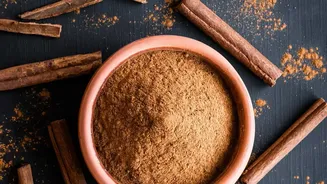
The most reliable way to distinguish between the two is by examining the cinnamon sticks, or quills. Cassia cinnamon has a distinctive appearance that gives it away. It consists of a single, thick layer of bark that has curled inward from one side, creating a hollow tube that looks like a scroll. The bark itself is hard, woody, and tough to break. Its colour is a dark, reddish-brown. In stark contrast, Ceylon cinnamon sticks are composed of many thin, paper-like layers of bark that have been rolled together, much like a cigar. These quills are soft, brittle, and easily crumbled. Their colour is a much lighter tan or golden-brown. So, if you see a dark, thick, and hollow stick, you are almost certainly looking at Cassia.
A Matter of Taste and Aroma
The physical differences are matched by distinct flavour profiles. Cassia cinnamon is bold, pungent, and intensely spicy. This strong flavour comes from a high concentration of an essential oil called cinnamaldehyde. It’s the powerful, classic cinnamon punch that works well in hearty baked goods and savoury dishes like curries where it needs to stand up to other strong flavours. Ceylon cinnamon is far more delicate. It has a sweet, mild flavour with complex floral and citrus notes. Its subtlety is prized in fine desserts, custards, and beverages where a more nuanced, less overpowering spice is desired. Chefs often prefer Ceylon for its ability to complement other ingredients rather than dominate them.
The Coumarin Consideration
Beyond aesthetics and taste, there's a significant health-related difference: a compound called coumarin. Cassia cinnamon contains high levels of coumarin, which in large, regular doses can potentially cause liver damage. Some studies have found that Cassia contains up to 1% coumarin, or 250 times more than its counterpart. Ceylon cinnamon, on the other hand, contains only trace amounts, making it a much safer choice for those who consume cinnamon daily for its potential health benefits. For occasional use in baking, Cassia is generally fine for most people. However, if you add cinnamon to your daily coffee, tea, or oatmeal, choosing low-coumarin Ceylon is the recommended option.
What About Ground Cinnamon?
Once the sticks are ground into powder, telling the two apart becomes much more difficult. Colour can be a clue, as Cassia powder is typically a darker, reddish-brown while Ceylon is a lighter tan. Cassia powder may also feel slightly coarser. However, the most reliable indicator is the label and price. If the package simply says "cinnamon," it is almost always the less expensive Cassia variety. Products specifically labelled "Ceylon cinnamon" or "Cinnamomum verum" are your best bet for getting true cinnamon. This variety is also significantly more expensive, which reflects its more difficult harvesting process and premium status.