







Beyond the Vehicle Itself
The transition to electric mobility is often pictured as silent cars gliding through cleaner cities, but the real transformation is far broader. The headline figure of 30 million EVs is the catalyst for a complex new industrial ecosystem. This isn't just
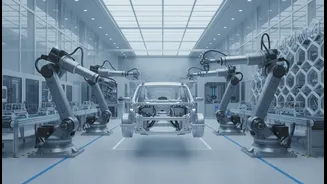
about replacing petrol and diesel cars; it's about building entirely new industries from scratch. This ecosystem includes everything from the high-tech heart of the vehicle—the battery—to the charging stations that power it, the software that runs it, and even what happens to it at the end of its life. Supported by government initiatives like the FAME (Faster Adoption and Manufacturing of Electric Vehicles) scheme, India is laying the groundwork for this comprehensive shift.
The Battery: Heart of the Revolution
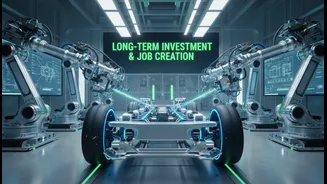
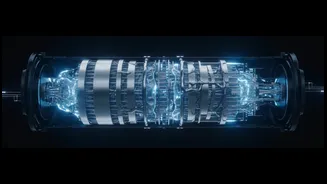
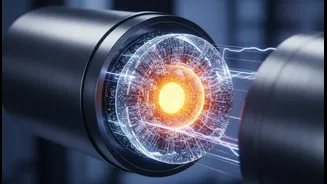
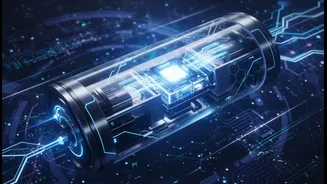
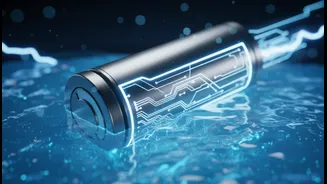
At the core of the EV revolution is the battery. India has historically been dependent on imports for lithium-ion cells, primarily from China. To achieve true self-reliance, the government has launched the Production-Linked Incentive (PLI) scheme for Advanced Chemistry Cells (ACC). This policy incentivises large-scale domestic manufacturing of batteries, aiming to create 'gigafactories' capable of producing 50 GWh of battery storage. This move is critical not only for securing the supply chain but also for fostering innovation in areas like battery swapping and reducing costs for consumers. A robust local battery industry will create thousands of jobs and position India as a key player in the global battery market.
Powering the Journey: Charging Infrastructure
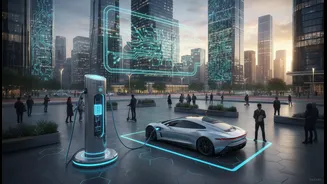
An electric vehicle is only as useful as the network that powers it. Building a dense, reliable, and accessible charging infrastructure is one of the biggest challenges and opportunities in this transition. This involves a massive rollout of public charging stations in cities and along highways, as well as promoting home and workplace charging solutions. While progress is being made, significant investment is still needed to bridge the gap, especially in rural areas. This sector offers immense potential for power companies, real estate developers, and tech startups to create a seamless charging experience for millions of new EV owners. NITI Aayog's targets suggest a need for millions of public charging points to support the 2030 goal, representing a substantial market opportunity.
The Software-Defined Vehicle
Modern vehicles are increasingly becoming computers on wheels, and EVs are at the forefront of this trend. The shift creates a new vertical for India's formidable software industry. From advanced driver-assistance systems (ADAS) and battery management software to in-car infotainment and telematics, the demand for sophisticated software solutions is exploding. This creates a parallel ecosystem of developers, programmers, and data scientists focused on the automotive sector. As vehicles become more connected, opportunities in cybersecurity, over-the-air updates, and data analytics will grow, further integrating the auto industry with the tech sector.
Closing the Loop: Recycling and Second Life
The massive influx of EV batteries will eventually lead to a new challenge: what to do with them when they reach the end of their automotive life. This has given rise to a burgeoning recycling industry focused on 'urban mining'—extracting valuable materials like lithium, cobalt, and nickel from used batteries. Government policies like the Battery Waste Management Rules are formalising this sector. Companies are developing technologies not just to recycle these materials, but also to give batteries a 'second life' in applications like stationary energy storage. This circular economy approach reduces waste, lessens the reliance on imported raw materials, and creates another new industry within the broader EV ecosystem.
The Road Ahead
Achieving the 30 million EV target by 2030 is an ambitious goal. High upfront costs, the need for a more robust power grid, and dependence on imported critical minerals remain significant hurdles. However, the combination of strong government policy, rising investment from domestic and global players, and growing consumer interest suggests the momentum is real. The path to mass electrification is not just about changing what we drive; it's about fundamentally rewiring a core part of India's industrial base for a more sustainable and self-reliant future.