




The Golden Rules of Turmeric
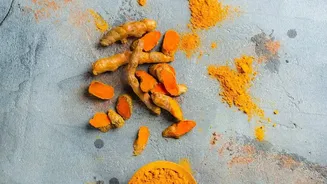
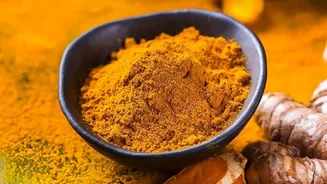
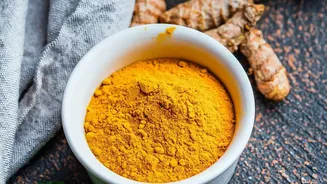
Before you start sprinkling turmeric into everything, it helps to know a few basics. Turmeric is available in two forms: fresh root and dried powder. Fresh turmeric, which looks like a small, orange version of ginger root, has a brighter, more peppery
flavour. The ground version is more common, with an earthy, slightly bitter taste. As a general rule, you can substitute one teaspoon of dried turmeric with one tablespoon of grated fresh turmeric. The key to unlocking turmeric's potential lies in how you use it. Its main active compound, curcumin, is fat-soluble and better absorbed by the body when consumed with fats like oil or coconut milk. Adding a pinch of black pepper also dramatically increases curcumin's bioavailability, thanks to a compound called piperine. So, whenever you cook with turmeric, try to include a little fat and a grind of pepper to get the most out of the spice.
Vibrant Rice and Grains
One of the easiest ways to incorporate turmeric is by adding it to your rice. It imparts a beautiful golden colour and a subtle, aromatic flavour that elevates a simple side dish. For a basic turmeric rice, simply add about one teaspoon of ground turmeric to the cooking water for every cup of basmati or jasmine rice, along with a pinch of salt and a bay leaf. Sautéing some finely chopped onion or shallots in butter or oil before adding the rice and turmeric builds another layer of flavour. Don't stop at rice; this technique works wonderfully for other grains as well. Stir a little turmeric into quinoa, couscous, or barley as they cook to add colour and a hint of earthy warmth. It pairs especially well with cauliflower, potatoes, and other roasted vegetables.
Warming Soups and Broths
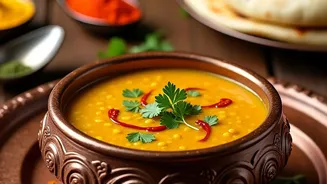
Turmeric is a natural fit for soups and stews, lending its golden hue and earthy depth to the broth. It’s a cornerstone of many healing soup recipes for a reason. Adding a teaspoon or two of turmeric, along with grated ginger and garlic, at the beginning of the cooking process creates a fragrant and flavorful base. This works beautifully in lentil soups, chicken noodle soup, and creamy vegetable soups. For a rich and comforting meal, try a butternut squash or pumpkin soup where turmeric complements the sweetness of the vegetables. Combining turmeric with coconut milk in a soup creates a creamy, luxurious texture while also helping with curcumin absorption. Whether it's a simple vegetable broth or a hearty chicken soup, turmeric adds a layer of complexity and warmth.
Creative and Healthy Snacks
Beyond main courses, turmeric can add a healthy and flavourful twist to your snacks. For a simple savoury treat, toss chickpeas with olive oil, turmeric, cumin, and a pinch of salt before roasting until crispy. You can apply the same principle to nuts and seeds for a spiced mix. For those with a sweet tooth, no-bake energy balls are a fantastic option. Many recipes combine dates, nuts, oats, and spices like turmeric and ginger in a food processor. The mixture is then rolled into bite-sized balls and chilled. Another popular and comforting choice is 'golden milk,' a traditional Indian drink. Gently heat milk (dairy or plant-based) with a teaspoon of turmeric, a little honey or maple syrup, and a dash of black pepper for a soothing beverage.
The Foundation of Flavourful Curries
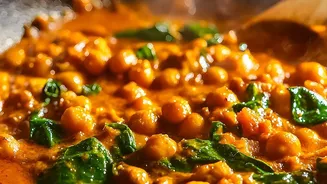
Of course, no guide to turmeric would be complete without mentioning curry. Turmeric is what gives many curries their signature yellow or orange colour, but its role is more than just cosmetic. It provides a foundational, earthy note that balances other, more pungent spices. To build a simple curry base, start by heating oil and frying aromatics like onion, garlic, and ginger. Then, add your ground spices—turmeric, cumin, and coriander are a classic trio—and cook for a minute until fragrant. This step, known as 'blooming' the spices, deepens their flavour. From there, you can add your main ingredients, such as chicken, chickpeas, or vegetables, along with a liquid like coconut milk or chopped tomatoes to create the sauce.