







How Yoga Supports Your Gut
Yoga helps digestion in several key ways. The practice encourages a shift into the parasympathetic nervous system, often called the 'rest and digest' state. When your body is relaxed, it can focus on essential functions like digestion, which slows down
under stress. Specific yoga postures, especially twists and gentle compressions, physically massage the abdominal organs. This can increase blood flow to the digestive tract, encourage the movement of food and gas, and help relieve symptoms like bloating and constipation.
Seated Cat-Cow
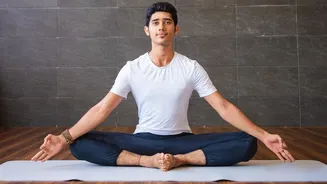
This gentle movement is a great way to warm up the spine and awaken the abdomen. Sit comfortably on the floor with your legs crossed. Place your hands on your knees. As you inhale, arch your spine, draw your shoulders back, and lift your chest, creating a 'cow' shape. As you exhale, round your spine, tuck your chin to your chest, and gently draw your navel inward for 'cat' pose. This dynamic movement gently compresses and then lengthens the abdomen, stimulating the digestive organs. Repeat for 5-10 breaths.
Seated Spinal Twist
Twisting poses are renowned for their digestive benefits, acting like a wringing-out process for your internal organs. To perform a simple seated twist, sit with your legs extended. Bend your right knee and place your right foot on the outside of your left thigh. Place your right hand on the floor behind you for support. Inhale to lengthen your spine, and as you exhale, twist your torso to the right, hooking your left elbow outside your right knee. This compression helps stimulate the colon and can improve motility. Hold for five breaths before gently releasing and repeating on the other side.
Wind-Relieving Pose (Apanasana)
As its name suggests, this pose is excellent for releasing trapped gas and easing bloating. Lie on your back and gently draw both knees toward your chest. Clasp your hands around your shins and hug your knees in. You can keep your head on the floor or lift it toward your knees for a deeper abdominal compression. The gentle pressure on the abdomen massages the intestines, helping to relieve discomfort and promote elimination. For a variation, you can draw in one knee at a time while keeping the other leg extended. Hold for up to a minute.
Supine Spinal Twist
This restorative floor-based twist is another fantastic way to calm the nervous system while gently stimulating digestion. Lying on your back, draw your knees into your chest. Extend your arms out to the sides in a 'T' shape. As you exhale, let both knees fall gently to the left side. You can turn your gaze to the right to complete the twist through the spine. Focus on keeping both shoulders grounded. This pose provides a passive massage for the digestive organs and helps release tension in the back. Hold for 5-10 deep breaths, then switch sides.
Healthy Habit: Mindful Eating
Yoga's benefits extend beyond physical postures. The practice of mindfulness can be applied to your eating habits for profound digestive benefits. Mindful eating involves paying full attention to your meal without distractions like phones or television. By eating slowly, chewing food thoroughly, and noticing the flavours and textures, you allow your digestive system to prepare properly, which can improve nutrient absorption and reduce discomfort. This practice helps you recognize your body's hunger and fullness cues more effectively.
Healthy Habit: Hydration and Fiber
Simple dietary habits are crucial partners to your yoga practice. Staying well-hydrated is essential, as water helps break down food and allows fiber to work effectively, preventing constipation. Aim to drink plenty of water throughout the day. Additionally, a diet rich in fiber from fruits, vegetables, and whole grains helps keep the digestive system moving regularly and nourishes beneficial gut bacteria. Gradual increases in fiber intake are recommended to allow your system to adjust.