


Jowar (Sorghum): The Versatile Staple
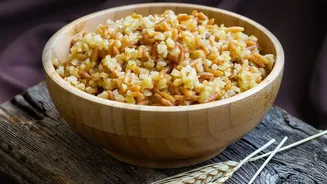
Known as Jowar across much of India, sorghum is a gluten-free grain that has been a dietary cornerstone for centuries, especially in the arid and semi-arid regions of Maharashtra, Karnataka, and Telangana. Its round grains can be white, yellow, or red.
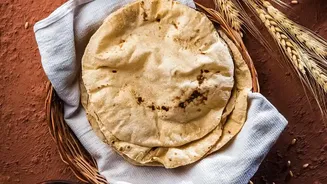
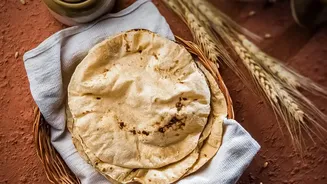
Jowar is valued for its high dietary fibre, which aids digestion and helps in managing weight by promoting a feeling of fullness. It's also a good source of protein, essential minerals like magnesium and phosphorus, and antioxidants. The most common use of jowar is as flour to make 'jowar rotis' or 'bhakri', a dense, unleavened flatbread. Its mild flavour also makes it suitable for preparing dosa, upma, and even a puffed snack similar to popcorn.
Bajra (Pearl Millet): The Powerhouse of the Plains
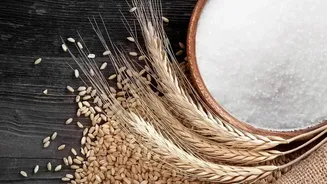
Bajra, or pearl millet, is one of India's most widely grown millets, thriving in the dry, hot climates of Rajasthan, Gujarat, and Uttar Pradesh. It is celebrated for its remarkable ability to grow in tough conditions where other cereals might fail. Nutritionally, bajra is a powerhouse, packed with iron, protein, and magnesium. Its high iron content makes it particularly beneficial for combating anaemia. Traditionally, bajra is considered a 'warming' food, making its rotis a winter favourite, often served with a dollop of ghee. Beyond flatbreads, it is also used to prepare wholesome dishes like khichdi and porridge.
Ragi (Finger Millet): The Calcium Champion
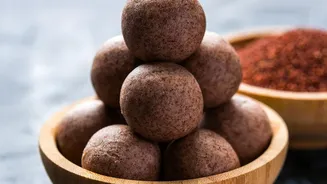
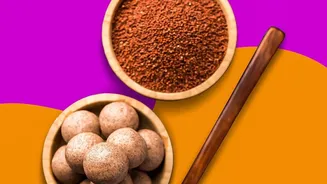
Deep brown in colour and with a distinctive, slightly nutty flavour, Ragi is a staple in Southern India, particularly Karnataka, where 'Ragi Mudde' (soft balls made of ragi flour) is a cherished dish. Also known as Nachni in states like Maharashtra, its standout nutritional feature is its exceptional calcium content, which is among the highest of all cereals. This makes it excellent for bone health, especially for children and older adults. Ragi is also rich in iron and fibre. Its low glycemic index helps in managing blood sugar levels, making it a preferred grain for diabetics. It's versatile enough to be used in dosas, porridges, and even ladoos and cookies.
Kangni (Foxtail Millet): The Gentle Grain
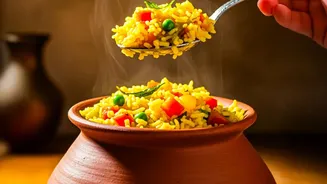
Foxtail millet, known as Kangni in Hindi and Thinai in Tamil, is one of the oldest cultivated millets. It has the mildest, most neutral flavour of the minor millets, with a texture often compared to rice. This makes it an excellent gateway grain for those new to millets. It is rich in dietary fibre, protein, and low in fat. Traditionally, it's used to make dishes like upma, pulao, and porridge. Because its cooked grains remain fluffy and separate, it is particularly well-suited for biryanis and other spiced rice-style dishes where individual grains are desired.
Kutki (Little Millet): The Tiny Wonder
As the name suggests, Little Millet (known as Kutki, Samai, or Shavan) is one of the smallest millet grains. Despite its size, it is packed with iron and fibre. It grows well in rain-fed areas and has been a part of traditional diets across many states. When cooked, it becomes slightly sticky and soft, with a mild flavour. This texture makes it ideal for preparing creamy porridges and sweet dishes like kheer. It can also be used as a simple substitute for rice, especially in dishes that benefit from a softer consistency.
Kodo Millet: The Digestive Aid
Kodo millet has a darker, earthier flavour compared to other small millets and offers a firmer bite when cooked. It is traditionally valued for being easy to digest and rich in fibre and B vitamins. Its robust flavour profile holds up well in spiced dishes, making it a great choice for flavourful khichdis and pulaos. Kodo millet flour is also used to prepare fermented foods like idli and dosa, as well as rotis and other baked goods. Due to its high fibre content, it is also being explored for its potential benefits in weight management.