



Meet the Betalains: Nature's Vibrant Dyes
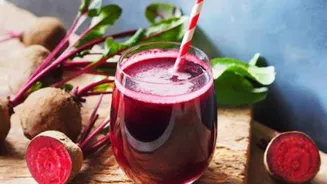
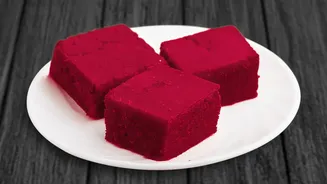
The stunning red-violet hue of vegetables like beetroot and the stems of Swiss chard comes from a specific group of water-soluble pigments called betalains. First identified in beets (Beta vulgaris), these compounds are responsible for the rich colours
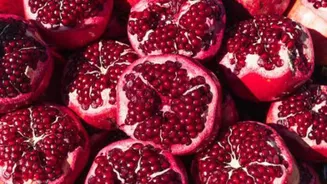
in a select group of plants, including dragon fruit (pitahaya), prickly pear, and amaranth. Betalains are divided into two main classes: the red-to-violet betacyanins, which give beetroot its famous colour, and the yellow-to-orange betaxanthins, found in golden beets and the yellow varieties of Swiss chard. Interestingly, plants produce either betalains or another class of pigments called anthocyanins (found in berries and red cabbage), but never both.
The Science of Fading Colour
Betalains are powerful, but they are also delicate. Their beautiful colour can be lost because the pigments themselves break down when exposed to certain conditions. The primary culprits are heat, pH, light, and oxygen. High temperatures, such as those used in boiling, cause the pigment structure to degrade, which is why overcooked beetroot often looks pale. Betalains are most stable in a slightly acidic to neutral pH range, typically between 3 and 7. Exposure to intense light and oxygen also accelerates their breakdown, causing the colour to fade over time. This is why freshly juiced beet juice will lose its vibrancy if left sitting out on the counter.
More Than Just a Pretty Colour
Preserving the colour of your beetroot is not just for aesthetics; it is also about preserving its health benefits. Betalains are potent antioxidants, which means they help protect our cells from damage caused by unstable molecules called free radicals. This antioxidant activity is linked to a range of potential health advantages, including anti-inflammatory effects and support for cardiovascular health. Studies have shown that these pigments can help inhibit inflammatory processes and may contribute to better blood flow and overall heart health. Therefore, when the colour degrades, it is a sign that these beneficial compounds are also being lost.
A Cook’s Guide to Keeping the Red
Armed with this knowledge, you can take simple steps in the kitchen to keep your beetroot dishes as vibrant as possible. Since betalains are sensitive to heat and water-soluble, the cooking method matters. Roasting or steaming beetroot with the skin on is often better than boiling, as it minimizes both heat exposure and pigment leaching into water. If you do boil them, keep the beets whole with the root and an inch of the stem attached to prevent the colour from bleeding out. Adding a splash of vinegar or lemon juice to the cooking water can also help, as the slightly acidic environment helps stabilize the pigment. For the most colour and nutrient retention, enjoy beetroot raw, perhaps grated into salads or freshly juiced and consumed right away.