






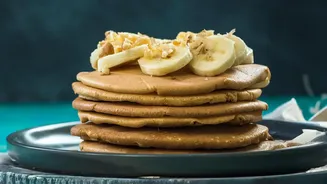
The Ragi Dilemma: Healthy but Heavy
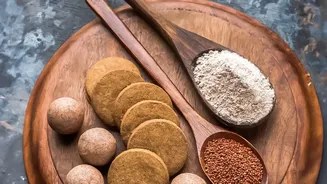
Finger millet, or ragi, is a celebrated superfood in India for good reason. It's an excellent source of calcium, iron, and dietary fibre, making it a fantastic addition to any diet. However, when you try to make pancakes using only ragi flour, the result
is often disappointing. The pancakes can turn out dense, tough, and heavy. This happens because ragi is naturally gluten-free. While that's great for those with gluten sensitivities, gluten is the protein that gives wheat-based batters structure and elasticity, helping them trap air and become light and fluffy. Without it, the ragi batter struggles to achieve that coveted airy texture.
The Science of a Lighter Batter
To solve the density problem, you need to introduce an ingredient that can either provide structure or alter the texture. This is where whole wheat flour (atta) and oat flour come in. Wheat flour contains gluten, which forms a web-like network in the batter. This network traps the gas bubbles created by leavening agents like baking powder, causing the pancake to rise and become fluffy. Oat flour works differently. While also gluten-free, it has a very fine, soft texture and contains soluble fibre that absorbs moisture. This helps create a softer, more tender pancake and prevents the grittiness sometimes associated with millet flours.
Using Wheat Flour for a Fluffy Lift
Adding a portion of whole wheat flour is a classic and effective method for lightening ragi pancakes. The gluten from the wheat provides the structural support that pure ragi batter lacks. A good starting ratio is three parts ragi flour to one part whole wheat flour. Many recipes even go for a 1:1 ratio for an even lighter result. This combination maintains a high nutritional value while significantly improving the texture, making the pancakes more pliable and soft. Remember not to overmix the batter; mixing just until the ingredients are combined is key to preventing the pancakes from becoming tough.
Oat Flour: The Gluten-Free Solution
For those who want to keep their pancakes entirely gluten-free, oat flour is the perfect partner for ragi. Oat flour brings a natural, delicate sweetness and a wonderfully soft texture to the batter. It helps create a moist and tender crumb, directly counteracting the dense nature of ragi. A 1:1 ratio of ragi flour to oat flour is a common recommendation and produces excellent, soft pancakes. You can easily make your own oat flour at home by blending rolled oats in a high-speed blender until they form a fine powder. Combining ragi and oat flour gives you a breakfast that is rich in fibre and nutrients without compromising on a soft, enjoyable texture.
Perfecting Your Ratios and Batter
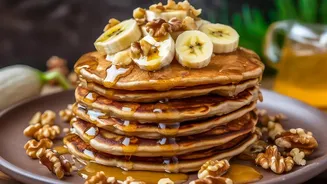
The ideal ratio of ragi to wheat or oat flour can be a matter of personal preference. A good approach is to start with a 3:1 mix of ragi to your chosen secondary flour and adjust from there. Pay attention to the batter's consistency; it should be thick but still pourable. Since ragi flour absorbs a lot of liquid, letting the batter rest for 5-10 minutes is a crucial step. This allows the flour to fully hydrate, which contributes to a fluffier final pancake. Don't forget other key elements: a leavening agent like baking powder is essential, and additions like mashed banana or yogurt can add moisture and natural sweetness.