




Why Protein is the Satiety Superstar
Feeling full, or 'satiety', is a complex process controlled by hormones that signal to your brain when you've had enough to eat. Protein is the most effective macronutrient at stimulating these satiety signals compared to carbohydrates and fats. It digests
more slowly, helping to suppress hunger hormones like ghrelin and keeping you feeling full for longer. Many vegetarian diets, especially for those new to them, can unintentionally become heavy on refined carbohydrates and low on protein. While a plate of pasta or a large bowl of rice is vegetarian, it digests quickly, leading to a blood sugar spike and a subsequent crash that leaves you reaching for snacks soon after.
Are You Getting Enough? The Protein Gap
So, how much protein do you actually need? The Indian Council of Medical Research (ICMR) recommends about 0.83 grams of protein per kilogram of body weight for a healthy adult. For a person weighing 65 kg, this translates to roughly 54 grams of protein per day. While this is achievable on a vegetarian diet, it requires conscious effort. It's easy to fall into a 'protein gap' if you're not intentionally including protein-rich foods in every meal. A balanced vegetarian diet isn't just about avoiding meat; it's about thoughtfully replacing it with nutrient-dense plant-based alternatives that meet your body's needs.
Indian Vegetarian Protein Powerhouses
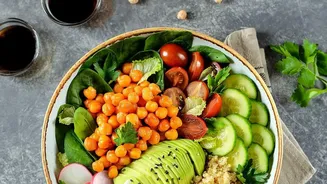
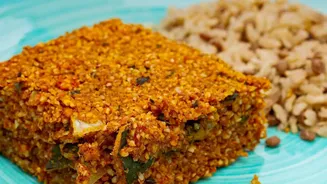
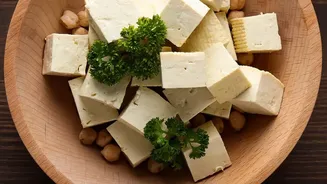
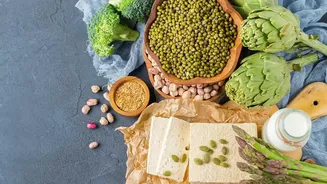
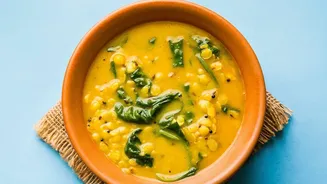
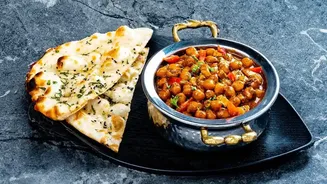
Fortunately, the Indian kitchen is already stocked with an incredible array of high-protein vegetarian foods. The key is to ensure they feature prominently in your daily meals. Top sources include lentils and pulses like dal, chana (chickpeas), and rajma (kidney beans), which are staples in Indian cuisine. Dairy products like paneer and dahi (curd or Greek yogurt) are excellent, concentrated sources of protein. Soy, in the form of tofu or soy chunks, is one of the most protein-dense options available. Nuts and seeds such as almonds, walnuts, and peanuts also contribute a healthy dose of protein and beneficial fats. Even besan (chickpea flour), used to make favourites like cheela, is a fantastic protein source.
Building a Better, More Filling Plate
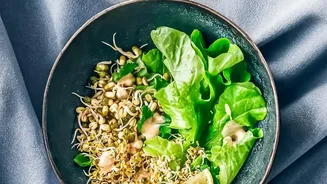
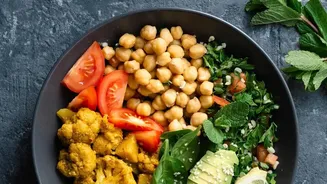
The strategy is simple: aim to include a significant source of protein in every meal and snack. For breakfast, instead of just toast, consider a moong dal cheela or Greek yogurt with nuts and seeds. At lunch and dinner, ensure your sabzi or curry includes a generous portion of paneer, tofu, lentils, or beans. A classic dal with rice or roti is a powerful combination that improves the overall quality of the protein consumed. For snacks, trade the biscuits for a handful of roasted chana, a small bowl of sprouts, or some peanuts. These small, intentional additions throughout the day make a huge difference in keeping hunger at bay.
Don't Forget Fibre and Healthy Fats
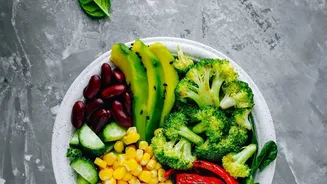
While protein is a game-changer, it works best as part of a team. Fibre, found abundantly in whole grains, lentils, vegetables, and fruits, adds bulk to your meals and slows digestion, further contributing to fullness. Healthy fats from sources like nuts, seeds, and avocados also play a role in satiety. A well-rounded meal that balances protein, fibre, and healthy fats is the ultimate formula for a satisfying and sustainable vegetarian diet. By shifting your focus from simply what you're cutting out to what you're adding in, you can transform your meals from unsatisfying to deeply nourishing.