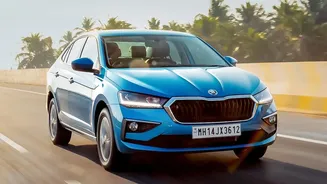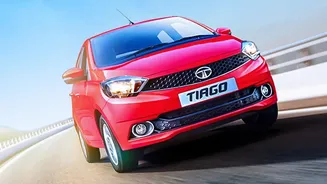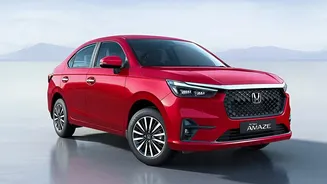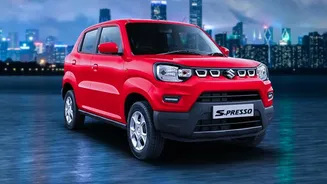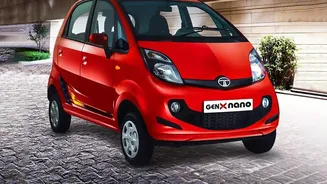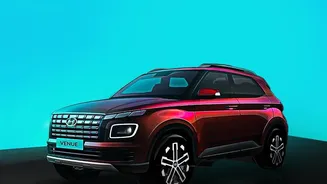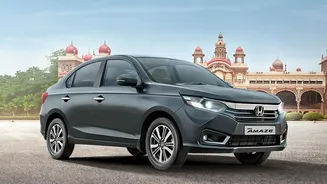



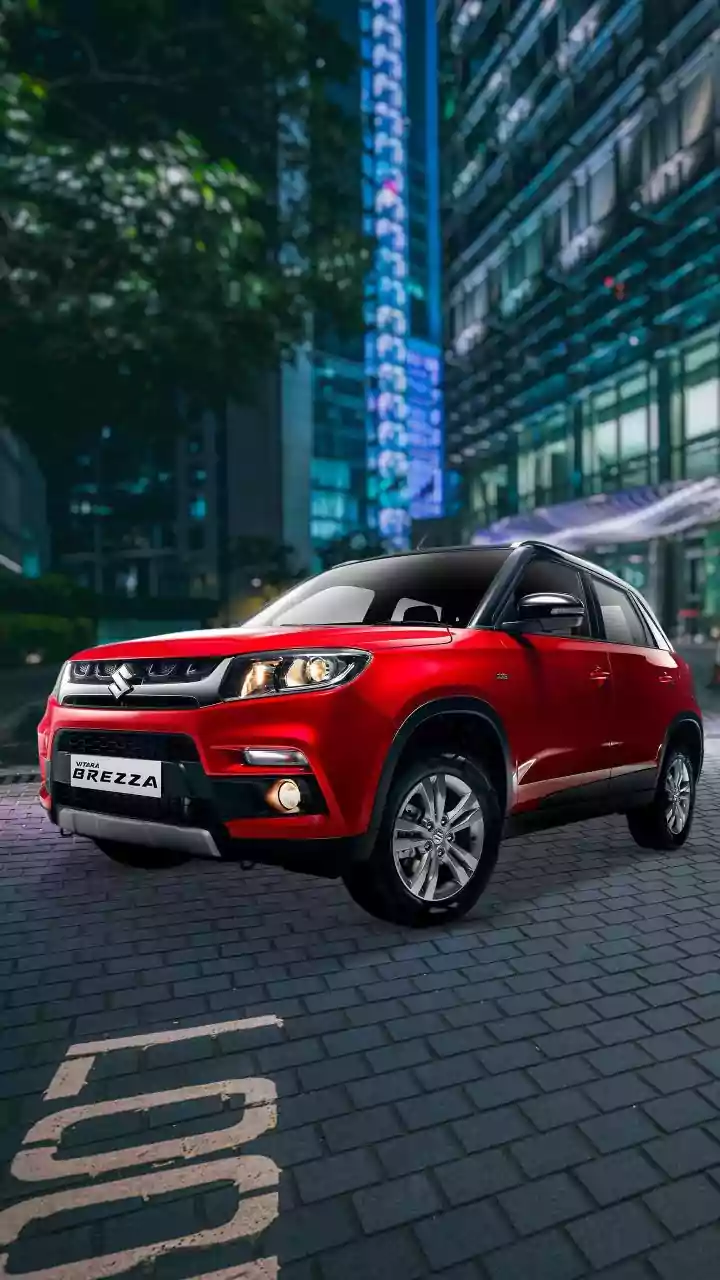



The Return of the Small Car
For the last few years, the narrative in the Indian auto market was all about sport utility vehicles (SUVs). However, recent months in 2026 have revealed a surprising and significant plot twist: the resurgence of the small car. Data from across the industry
points to a sharp revival in the entry-level segment. Maruti Suzuki, a dominant player in this space, reported that its entry-level segment, which includes models like the Alto and S-Presso, saw a staggering surge of over 96% in the April to August 2026 period. This isn't just a minor uptick; it represents the most significant growth momentum for small cars since the pre-pandemic era, signaling a major shift in market dynamics. Overall passenger vehicle sales have been robust, with monthly figures crossing the 400,000 mark, but the exceptional growth in the most affordable category suggests the market is expanding at its base.
A New Wave of First-Time Buyers
The driving force behind this revival is the return of the first-time car buyer. These are customers who are typically upgrading from a two-wheeler or purchasing a vehicle for the first time. For a significant period, rising car prices and economic uncertainty had pushed this demographic out of the market. Now, they are back in force. According to Maruti Suzuki, first-time buyers accounted for 51% of its sales in the final quarter of fiscal year 2026, a substantial increase from 42% in the first half of the year. This trend is a crucial indicator of broadening prosperity and consumer confidence. The new momentum is particularly strong in non-metro areas. Rural passenger vehicle sales have been consistently outpacing urban growth, with July and August 2026 figures showing rural demand growing at a much faster clip. This suggests that rising agricultural incomes and better infrastructure are enabling more households in Tier-2, Tier-3, and rural India to fulfil their aspiration of owning a car.
Economic Catalysts and Policy Support
This market shift is not happening in a vacuum. A key catalyst has been policy adjustments, particularly the GST 2.0 reforms that took effect in late 2025. By rationalizing the tax structure, the government effectively lowered the prices of entry-level vehicles, making them more affordable for a wider audience. In a price-sensitive segment, even a small reduction in the final cost or monthly EMI can make the difference between a purchase and a postponement. Beyond policy, a stable economic environment and improved availability of financing have also played a crucial role. Lenders are offering attractive and flexible loan options, making it easier for new buyers to manage the financial commitment of a car. Furthermore, a good monsoon season has boosted rural sentiment and incomes, directly feeding into the demand for tractors and small cars.
The Road Ahead and Lingering Challenges
While the current momentum is strong, the road ahead for the entry-level segment is not without its challenges. The trend of 'premiumisation'—where buyers prefer feature-rich and more expensive models—continues to be a powerful force in the overall market. Competition from the burgeoning used car market also presents a significant challenge, as many first-time buyers find they can get a larger, pre-owned vehicle for the price of a new entry-level car. Manufacturers must continue to innovate to keep small cars relevant, balancing cost with the modern features and safety standards that consumers now expect. The sustainability of this growth will depend on continued economic stability, favourable government policies, and the ability of automakers to manage input costs. For now, however, the revival of the small car is a welcome sign of a healthier, more inclusive automotive market in India.