


The Dark Side of Durability
Plastic containers are popular for their convenience, but they are not designed to last forever. Over time, with every wash and reuse, the plastic material begins to break down. This degradation process can cause the container to release tiny particles
known as microplastics directly into your food. The risk of this happening increases as the container gets older and is subjected to repeated use and washing cycles. While high-quality, sturdy plastics are more durable, even they can degrade. Single-use containers, like those for bottled water or takeaways, are especially problematic and should not be reused, as they are not built to withstand multiple uses or heating.
When Damage Creates Danger
A scratch, crack, or even a cloudy appearance on a plastic container is more than just a cosmetic flaw. These imperfections are warning signs that the material's integrity has been compromised. Scratches and cuts can become breeding grounds for bacteria, as these tiny crevices are difficult to clean thoroughly, even with soap and hot water. Furthermore, this physical damage can accelerate the leaching of harmful chemicals from the plastic into your food. When a container is warped, stained, or has a lingering odor that won't wash out, it's a clear indicator that the plastic is breaking down and should no longer be used for food storage.
The Temperature Trap: Heat and Your Health
Exposing plastic containers to high temperatures is one of the biggest risks. Microwaving food in plastic, even if it's labeled "microwave-safe," can significantly speed up the release of chemicals and microplastics. The label "microwave-safe" often just means the container won't melt or warp, not that it won't leach chemicals. Heat causes chemicals like Bisphenol A (BPA) and phthalates, which are linked to hormone disruption and other health issues, to migrate from the plastic into your meal. This effect is even more pronounced with fatty or acidic foods. Similarly, washing plastics in a hot dishwasher can cause wear and tear that leads to the same problems. Even freezing can make some cheaper plastics brittle and prone to cracking.
Decoding the Numbers on the Bottom
On the bottom of most plastic containers, you'll find a small triangle with a number from 1 to 7. This is a Resin Identification Code (RIC), which tells you what kind of plastic it is. For food storage, it's best to stick to plastics marked with #2 (HDPE), #4 (LDPE), and #5 (PP), as they are generally considered safer. Plastics with #3 (PVC), #6 (PS - Polystyrene), and #7 (Other, which can include BPA) should be avoided for food use, especially when heating. For instance, #1 (PET), common for water bottles, is intended for single use as repeated use can lead to chemical leaching and bacterial growth.
Simple Swaps for Safer Storage
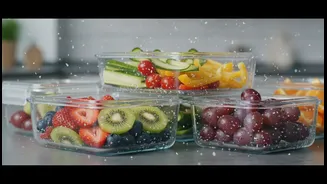
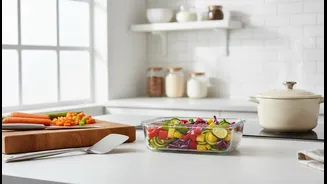
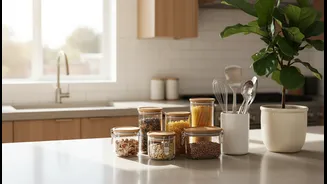
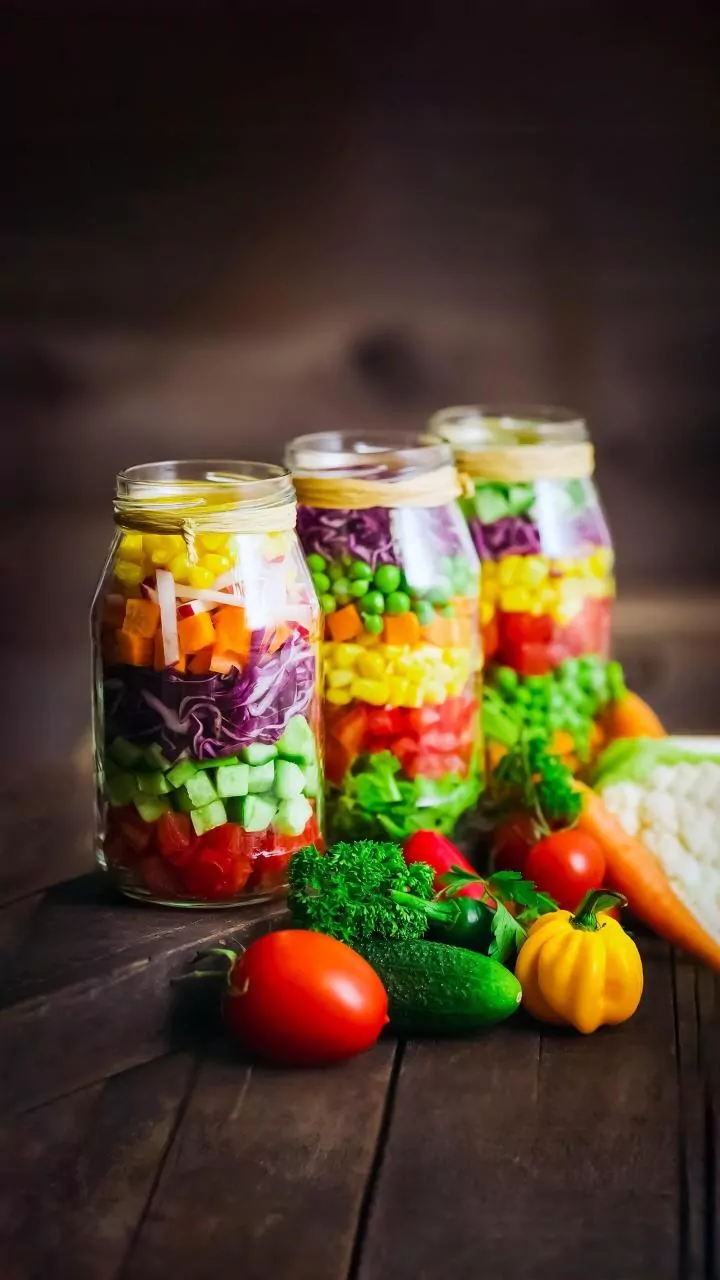
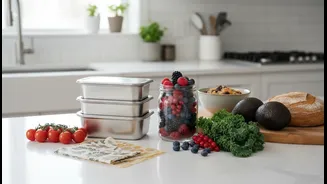
The best way to avoid these risks is to reduce your reliance on plastic for food storage. Glass containers are an excellent alternative; they don't leach chemicals, absorb stains or odors, and can be safely used in the microwave and dishwasher. Stainless steel is another durable and safe option, perfect for packing lunches and storing dry goods. If you do use plastic, follow these best practices: avoid microwaving food in them, hand-wash them with a mild soap to prevent damage, and transfer hot food into ceramic or glass bowls instead of storing it in plastic. Inspect your containers regularly and discard any that are scratched, warped, or discolored. By being mindful of how you use and care for your containers, you can make a significant difference in your long-term health.