
Saffron: The Golden Thread of Flavour
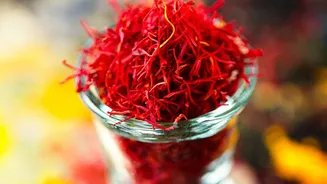
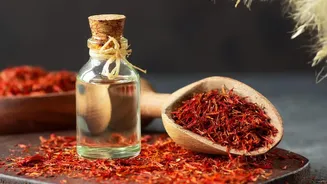
Saffron, the treasured red-gold threads from the Crocus sativus flower, is the world's most expensive spice by weight for a reason. Harvested by hand, it has been a symbol of wealth and a culinary prize for millennia, dating back to ancient Persia, Greece,
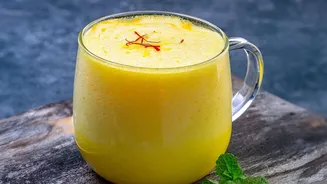
and Egypt. Its flavour is famously complex—a sophisticated blend of floral, earthy, honeyed, and slightly bitter notes. It’s this very complexity that allows it to enhance a wide spectrum of dishes. For many in India, its aroma is synonymous with festive foods like biryani and desserts like kheer. But its culinary passport is global, stamping flavour on everything it touches. To get the most from it, cooks often 'bloom' the threads in a little warm water, milk, or broth, a step which unlocks its full colour and aroma before it is added to a dish.
Saffron’s Savoury Side
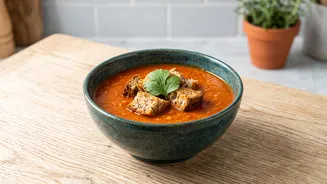
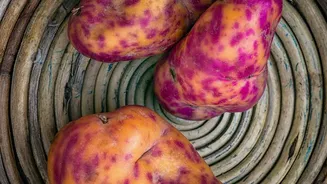
When we think of saffron in savoury cooking, rice dishes immediately come to mind. It's the indispensable ingredient that gives Spanish paella, Italian risotto alla Milanese, and countless Persian and Indian rice preparations their glorious golden hue and signature taste. The spice infuses grains with a luxurious aroma and a subtle depth that beautifully complements everything from seafood and chicken to vegetables. Beyond rice, saffron lends its aristocratic character to rich stews and soups, like the classic French seafood stew bouillabaisse. It pairs wonderfully with chicken, fish, and lamb, often appearing in marinades and creamy sauces. Its ability to elevate humble ingredients, such as in a simple potato salad or a vegetable stir-fry, showcases its power to turn an everyday meal into something truly special.
The Sweet Surprises of Saffron
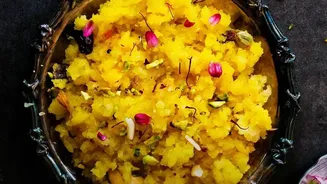
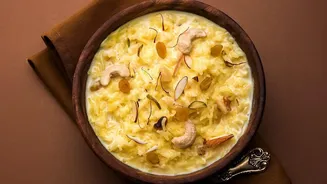
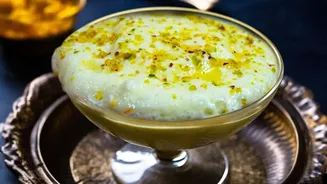
While its savoury applications are famous, saffron is equally at home in the world of desserts. Here, its slightly bitter and earthy notes provide a perfect counterpoint to sweetness, preventing dishes from becoming one-dimensionally sugary. In Indian cuisine, it’s a star in milk-based sweets like kheer (rice pudding) and shrikhand (strained yogurt dessert). Across the world, it appears in custards, ice creams, and cakes. A cardamom and saffron sponge cake, for instance, offers an aromatic experience that is both comforting and exotic. In Sweden, saffron-laced sweet buns called 'lussebullar' are a beloved Christmas tradition. Even fruit can be elevated; pears poached in a saffron-infused syrup become a dessert of simple elegance. Saffron's floral character also pairs beautifully with almonds, pistachios, and rosewater, common components in many Middle Eastern and Asian sweets.
Honey: Nature’s Liquid Gold
Honey has been a pantry staple for thousands of years, cherished not just as a natural sweetener but for its incredible range. Unlike refined sugar, honey is far from a one-note ingredient. Its flavour profile is a direct reflection of the flowers the bees visited, resulting in hundreds of varietals—from light and floral orange blossom honey to dark and robust buckwheat honey. This diversity is the secret to its versatility. Functionally, it does more than just sweeten; it balances acidity, adds moisture to baked goods, and provides a beautiful glaze. It can mellow the sharpness of vinegar in a dressing or temper the spicy heat in a sauce. Understanding that honey has its own character is the first step to unlocking its potential far beyond the teacup.
Honey’s Savoury Depth
The idea of using honey in savoury dishes is not new, but it is often underutilised in home cooking. Its sugars are perfect for creating caramelization, leading to the delicious brown crust on roasted meats and vegetables—a process known as the Maillard reaction. Honey glazes are a classic for a reason; a honey-mustard glaze on chicken or salmon creates a perfect balance of sweet, tangy, and savoury. It’s also a brilliant component in marinades, where it helps tenderise meat and provides a counterpoint to salty ingredients like soy sauce or the acidity of citrus. A simple vinaigrette is transformed with a spoonful of honey, which emulsifies the oil and vinegar while rounding out any harsh flavours. It balances the saltiness of cured meats like ham and bacon and even enhances the natural sweetness of roasted vegetables like carrots and squash.
The Perfect Culinary Pairing
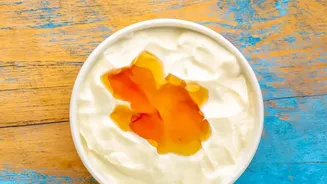
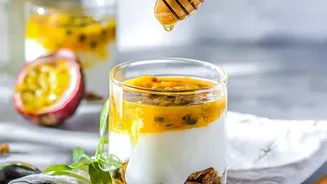
Given their individual strengths, it’s no surprise that saffron and honey work beautifully together, creating a flavour profile that is truly more than the sum of its parts. The honey rounds out saffron's gentle bitterness, while the saffron gives the honey an aromatic, floral complexity. This pairing shines in both sweet and savoury contexts. A saffron-honey marinade for chicken or fish can create a spectacular dish, with the honey helping to create a glossy, caramelized crust while the saffron provides an alluring aroma. In desserts, a saffron-infused honey can be drizzled over yogurt, used in baklava, or brushed over a fruit tart to add a final layer of luxurious flavour. This combination bridges the gap between the spice cabinet and the dessert pantry, proving that these two ingredients are a match made in culinary heaven.