





The Great Escape Meets Gridlock
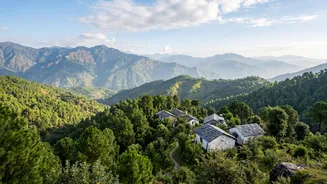
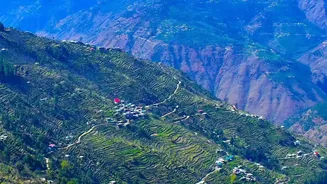
For generations, hill stations like Shimla, Manali, Mussoorie, and Nainital have been idyllic escapes from the scorching heat of the plains. Today, that escape often leads directly into urban chaos. Recent heatwaves have sent record numbers of tourists
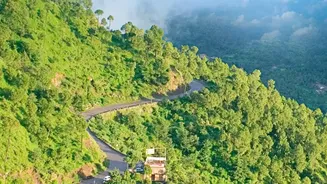
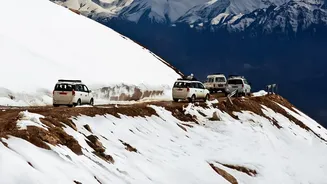
rushing to the mountains, overwhelming the infrastructure of towns built for a fraction of their current population. Roads leading into these destinations become choked with bumper-to-bumper traffic, with journeys that should take minutes stretching into hours. This seasonal surge, once predictable, is now a year-round crisis, as improved road connectivity and the desire for short breaks concentrate tourist footfall into a few popular towns. The result is not a peaceful retreat but a high-altitude traffic jam that strains local services and frustrates both visitors and residents.
Exceeding The Limit
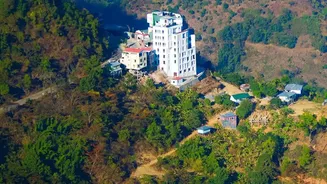
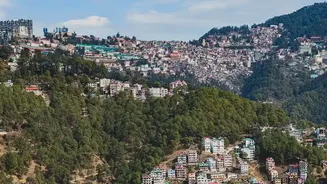
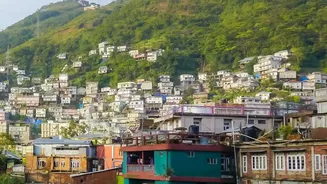
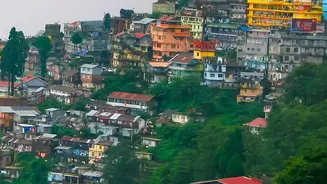
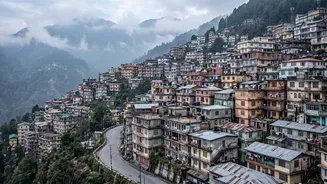
The core of the problem lies in a concept called 'carrying capacity'—the maximum number of people an environment can sustain without significant degradation. Many of India's premier hill stations have long since breached this limit. Shimla, for instance, was designed for a population of about 25,000; today, its permanent and transient populations swell far beyond this, with tens of thousands of vehicles trying to enter on peak weekends. This leads to predictable and dangerous consequences. Unregulated construction, often in violation of building codes, has destabilised fragile slopes, increasing the risk of landslides. Buildings have risen higher than regulations permit, placing immense stress on foundations and the land itself, as seen in Mussoorie and Nainital. This unchecked urbanisation is turning these scenic towns into concrete jungles, fundamentally altering the landscape that made them attractive in the first place.
A Crisis of Natural Resources
The massive influx of people puts an unsustainable strain on the most vital natural resources: water and forests. Water scarcity has become a recurring nightmare for residents in places like Shimla, who have faced days-long water cuts during peak tourist season, even while hotels cater to visitor demands. The issue is twofold: increased demand from tourism and decreased supply due to environmental damage. Deforestation for new hotels and roads reduces the ground's ability to absorb rainwater and recharge natural springs, which are the primary water sources in these regions. At the same time, waste management systems are collapsing. The sheer volume of plastic bottles, food wrappers, and other tourist-generated garbage overwhelms local capacity, polluting rivers like the Beas and creating unsightly and unsanitary dumps on pristine hillsides.
When Local Culture Fades
Beyond the environmental and infrastructural decay is a quieter, more insidious loss: the erosion of local culture. As tourism becomes the dominant economic engine, traditional ways of life are often commercialised or pushed aside. The economic benefits of mass tourism are rarely distributed equitably, with local communities bearing the brunt of the environmental and social costs while outside businesses often reap the profits. The constant demand for tourist services can transform authentic cultural practices into commodified experiences. This shift not only affects the local population's sense of identity but also diminishes the unique character of the destination, replacing genuine cultural interaction with transactional tourism.
A Path Towards Sustainability?
Recognising the escalating crisis, there is a growing call for a shift towards sustainable tourism. The National Green Tribunal (NGT) has directed states like Uttarakhand to conduct carrying capacity studies to inform future planning and regulation. There is an urgent need to enforce building regulations, manage vehicular traffic with measures like visitor caps, and invest in robust waste and water management systems. Models from around the world, like Bhutan's 'high-value, low-volume' tourism policy, offer potential frameworks for India to consider. The Indian government has also formulated a National Strategy for Sustainable Tourism, aiming to promote eco-friendly practices and involve local communities in planning and benefits. The key is moving beyond admiration of these landscapes to active stewardship, ensuring they can be a blessing, not a burden, for future generations.