








The Viral Video That Sparked Concern
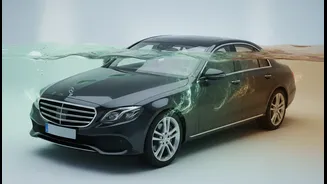
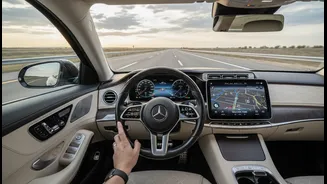
The controversy began when popular YouTuber Sourav Joshi shared a video about his Mercedes-Benz GLC SUV. He claimed that the vehicle's fuel efficiency had plummeted from approximately 17 kilometres per litre down to just 5 kmpl in a matter of days. Joshi attributed
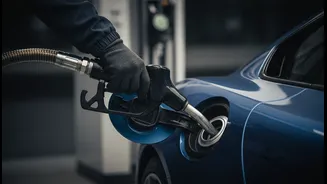
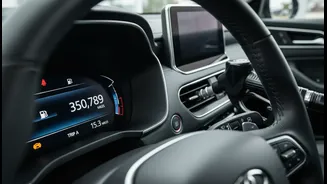
the sharp decline to using E20 petrol, a blend of 80% petrol and 20% ethanol that is being rolled out across India. In his video, he also noted that the car's estimated driving range on a full tank had fallen from around 800 km to 480 km. Voicing concerns about potential long-term engine damage, the video quickly gained traction, tapping into a broader public discussion about the real-world impact of new fuel blends on vehicles.
A Measured Response from Mercedes-Benz
In response to the growing online conversation, Mercedes-Benz India issued a formal “Customer Advisory.” Notably, the statement did not mention the influencer by name or directly address the specific claims made in the video. Instead, the luxury carmaker focused on reassuring all its customers. The company clarified that all its BS VI petrol vehicles are “materially compatible with E20 fuel and certified accordingly by relevant authorities.” The key part of their message was an open offer of help: “We are happy to support customers for any technical queries,” the statement read, reinforcing the company's commitment to reliability and customer care.
Understanding the E20 Fuel Debate
The incident brought the wider debate around E20 petrol into sharp focus. The Indian government is promoting this blend to reduce crude oil import dependency and support the domestic economy. For a vehicle to be fully compatible, it must be engineered to handle the different properties of ethanol. While Mercedes-Benz and other manufacturers have certified their modern vehicles for E20 use, experts and even government sources acknowledge that a slight drop in fuel efficiency can occur. However, this reduction is typically expected to be in the range of 3-5%, a far cry from the nearly 70% drop alleged in the viral video. This highlights a gap between official certification and some consumers' real-world experiences and perceptions.
A Case Study in Modern Corporate Communication
Mercedes-Benz India's handling of the situation offers a compelling lesson in modern public relations. Instead of getting into a public dispute with a popular influencer or issuing a flat denial, the company chose a strategy of de-escalation. By calmly reiterating the technical facts and extending an offer of support, they shifted the narrative from a specific complaint to their general commitment to customer satisfaction. This approach avoids amplifying the controversy and instead positions the brand as a reliable and accessible partner for its customers. In a digital landscape where negativity can spread rapidly, this measured and supportive stance is often more effective at preserving long-term brand trust than a confrontational one.