



A Symphony of Green and Silver
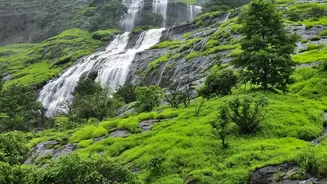
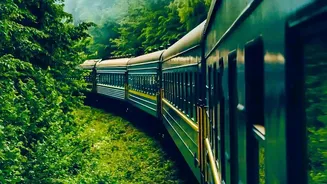
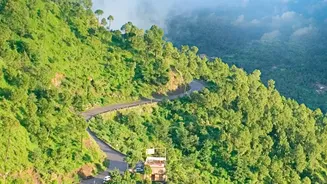
From June to September, the monsoon breathes new life into the Western Ghats. The journey along the Konkan coast, which stretches from Maharashtra through Goa and into Karnataka, becomes a breathtaking spectacle. The landscape, parched from the summer
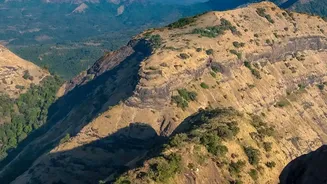
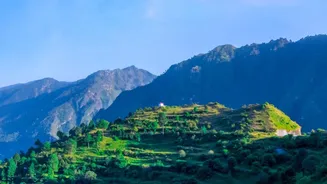
heat, undergoes a dramatic transformation. Paddy fields turn a vibrant, almost fluorescent green, and the forests along the tracks become dense and mysterious under a canopy of low-hanging clouds. But the true stars of the show are the waterfalls. They appear everywhere, from tiny silver threads trickling down rock faces to powerful torrents thundering into the valleys below. It’s a sensory overload in the best possible way—the sound of the rain, the roar of the falls, and the endless, soothing green outside your window.
An Engineering Feat Amidst Nature's Fury
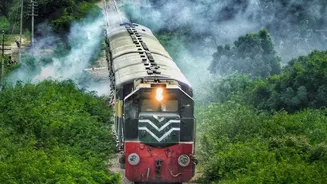
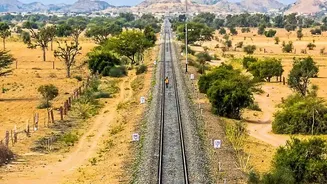
The very existence of this scenic route is a testament to incredible engineering. The Konkan Railway, completed in just eight years, was one of post-independence India's most challenging infrastructure projects. The route navigates treacherous terrain with over 2,000 bridges and more than 90 tunnels. Crossing structures like the Panval Nadi Viaduct near Ratnagiri, which stands 64 meters tall, feels like floating over the valley. During the monsoon, these engineering marvels offer a front-row seat to nature's grandeur. As the train emerges from a dark tunnel, you are often greeted by a massive waterfall right beside the tracks, a sight that makes you appreciate both human ingenuity and the raw power of the landscape.
The Dudhsagar Spectacle
While countless waterfalls dot the route, the undisputed crown jewel is Dudhsagar Falls, located on the Goa-Karnataka border. Translating to 'Sea of Milk', this four-tiered waterfall is among India's tallest, and the railway line crosses it on a viaduct, offering an unbelievably close view. During the monsoon, Dudhsagar is at its most ferocious, a massive wall of white water crashing down with immense force. For a few moments, the train is enveloped in its mist. Seeing it from the carriage is the only safe and legal way to witness its full monsoon glory, as jeep safaris and trekking to the base are suspended during this season.
More Than Just a Journey
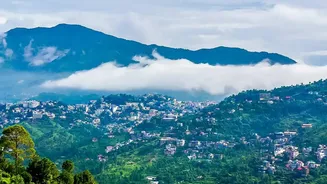
A trip on the Konkan Railway is more than just getting from one point to another; it's an experience in itself. The train becomes a moving theatre. Fellow passengers crowd the doorways and windows, cameras in hand, sharing a collective sense of wonder. Small, quaint stations with names like Kulem, Chiplun, and Ratnagiri pass by, offering glimpses into the slow, rain-soaked life of the Konkan region. Even with the special monsoon timetable, which involves reduced speeds for safety, the journey never feels slow. There is simply too much to see, from the roaring rivers like the Sharavathi and Zuari to the tiny villages nestled in the green valleys.
Tips for the Monsoon Traveller
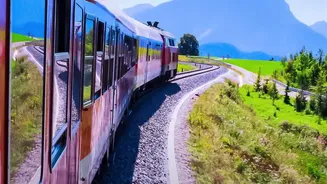
If this journey is calling to you, planning is key. Daytime trains like the Mandovi Express or the Vande Bharat Express from Mumbai to Goa offer some of the best opportunities for sightseeing. Be sure to book your tickets well in advance, as this is a popular route, especially during the rains. While delays can happen due to heavy downpours, the railway authorities have extensive safety measures in place, including round-the-clock patrolling of vulnerable sections. Pack a light raincoat for when you step out, but most importantly, grab a window seat, keep your camera ready, and prepare to be mesmerised by one of the most beautiful train journeys in the world.