


The Ladakh Paradox
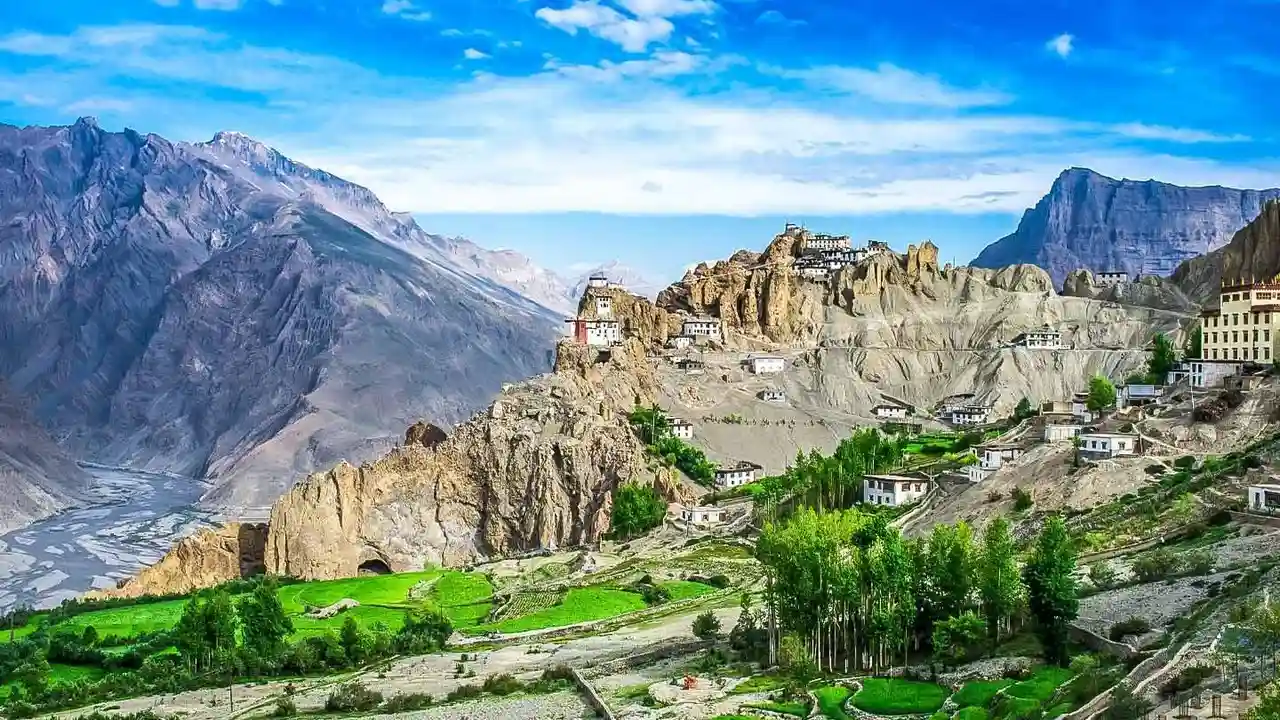
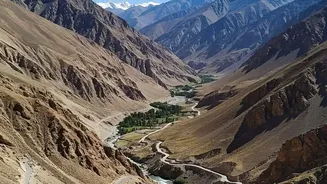
There is no denying the magnetic pull of Ladakh. It’s a landscape that feels otherworldly, a high-altitude desert of dramatic vistas and spiritual calm. For years, it was the ultimate road trip destination for Indian adventurers. But its legendary status
has come at a cost. Today, the very roads that promised freedom can feel congested, with lines of vehicles waiting to crest popular passes. Key viewpoints and iconic lakes, once serene, now often bustle with tourists, all seeking the same perfect, solitary shot. The adventure is still there, but finding the solitude that made it so famous requires venturing further off the beaten path than ever before. For many travellers, the question has shifted from “How do I get to Ladakh?” to “Where can I find what Ladakh used to be?”
The Eastern Answer: Arunachal Pradesh
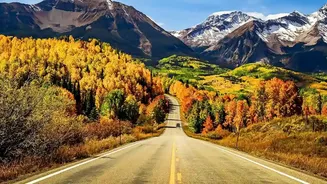
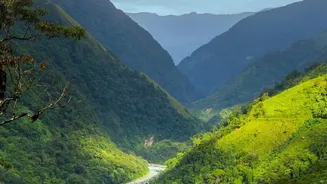
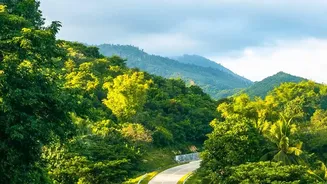
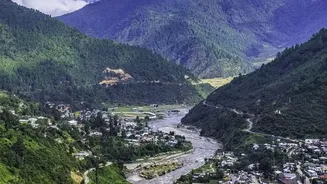
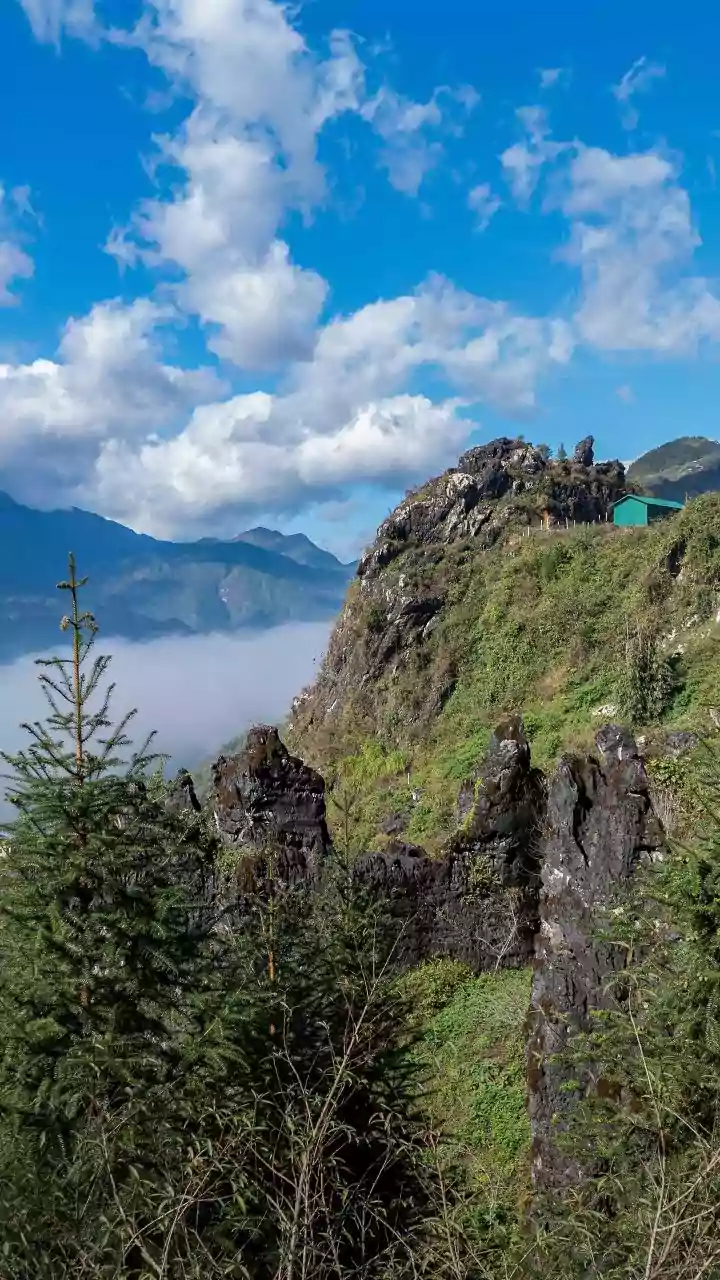
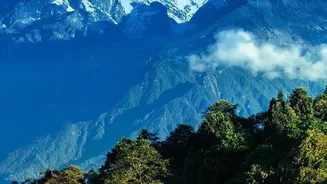
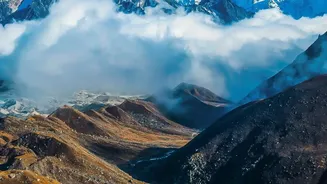
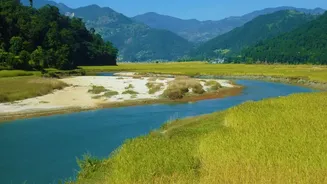
The answer may lie on the other side of the country, in the lush, green folds of the Eastern Himalayas. Arunachal Pradesh, the ‘Land of the Dawn-Lit Mountains,’ offers a Himalayan experience that is fundamentally different. Instead of a cold desert, it’s a world of subtropical forests, roaring rivers, and mist-shrouded valleys that climb into alpine meadows and snow-capped peaks. The classic Tawang Circuit is a perfect introduction. Starting from the plains of Assam, the road winds its way up through towns like Bomdila and Dirang, crossing the breathtaking Sela Pass at 13,700 feet, before finally descending into the historic Tawang Valley. It’s a journey that mirrors the structure of a Ladakh trip—high passes, stunning lakes, ancient monasteries—but swaps the barren brown for a thousand shades of green.
Why the Journey is 'Slower'
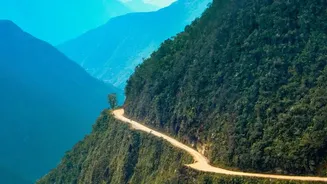
The headline’s promise of a “slower route” isn’t about driving speed; it’s about the entire philosophy of the journey. Travel in Arunachal Pradesh is inherently more deliberate. For starters, all non-resident Indian citizens require an Inner Line Permit (ILP) to enter, a formality that encourages thoughtful planning rather than spontaneous trips. The roads, while improving, can be unpredictable, demanding flexibility and patience. A 150-kilometre drive can be an all-day affair, not due to traffic, but because of the mountainous terrain and the sheer beauty that invites frequent stops. This slower pace is a feature, not a bug. It forces you to shed the checklist mindset and instead immerse yourself in the experience—the changing landscapes, the quiet moments, and the unexpected conversations along the way.
A Richer Cultural Fabric
Where Ladakh’s culture is predominantly shaped by Tibetan Buddhism, Arunachal is a vibrant mosaic of over two dozen major tribes and countless sub-tribes, each with its own customs, dialects, and traditions. A road trip here is a journey through the lands of the Monpa people in the west, the Apatani in the Ziro Valley, and the Adi and Memba tribes further east. This cultural diversity is woven into the fabric of the journey. You’ll stay in family-run homestays, share meals that change from one valley to the next, and cross incredible cane-and-bamboo suspension bridges that have connected communities for centuries. The monasteries, like the magnificent Tawang Monastery, are living centres of faith, but the cultural experience extends far beyond them into the villages and the everyday lives of the people.
Planning Your Arunachal Drive
A trip to Arunachal requires more preparation than its western counterpart. The best time to visit is from October to April, when the skies are clear and the weather is pleasant. Your first step is to apply for the Inner Line Permit online, a process that is now straightforward but essential. While you can self-drive, hiring a local driver who knows the terrain and conditions is highly recommended. They are not just drivers but invaluable guides who can navigate challenging patches of road and bridge language barriers. For a classic experience, the Tawang circuit is ideal for first-timers. If you seek deeper solitude, consider the route to Mechuka, a remote valley near the Chinese border often called the ‘Switzerland of Arunachal,’ known for its pristine landscapes and challenging access.