




A Picnic at 30,000 Feet
The video, which amassed millions of views, showed a large family group on an IndiGo flight turning their section of the cabin into a makeshift dining room. A woman distributes disposable plates, and soon, multiple family members are seen enjoying what
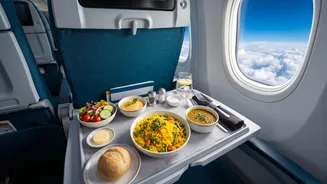
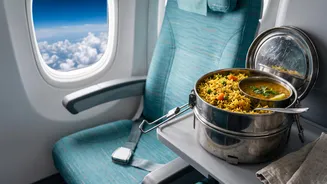
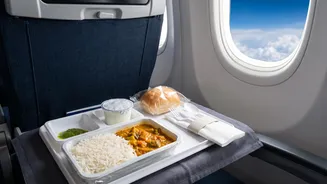
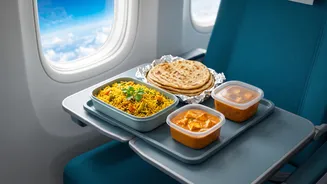
appears to be a full spread of homemade food, including samosas, theplas, and dhoklas. Passengers move about the cabin with their plates, and the scene resembles a family get-together more than a typical flight. The reaction online was swift and deeply divided. For every comment criticising the group for a perceived lack of civic sense, there was another defending them, celebrating the joy of a shared family meal.
The Great Etiquette Debate
The core of the conflict isn't about whether bringing your own food is allowed—it generally is. Instead, it’s about the unwritten social contract of sharing a small, enclosed space with hundreds of strangers. Critics of the in-flight feast pointed to the potential for strong, lingering food odours as a primary concern. In a pressurised cabin with recycled air, a fragrant meal can quickly overwhelm the senses of fellow passengers who may not find the smells as appetising. Others noted the logistics of the meal, with people walking in the aisles with plates, as a potential disruption. Supporters, however, argued that families have the right to eat their own food, often for economic or dietary reasons. They see it as a practical solution to expensive and often unappealing airline food.
What Do the Rules Actually Say?
When it comes to official policy, most airlines and security agencies are surprisingly permissive. According to the Transportation Security Administration (TSA), solid food items like sandwiches, fruits, and baked goods are perfectly fine to bring in a carry-on. The main restrictions apply to liquids and gels, which must adhere to the 3.4-ounce (100 ml) rule. This means items like yogurt, creamy dips, or soups are restricted. However, few airlines have explicit rules banning hot or aromatic food, though some budget carriers in Europe have started to. The guidelines focus on safety and security, not smell or social courtesy. This leaves the definition of what is 'appropriate' to a grey area governed by etiquette rather than regulation.
The Unwritten Rules of the Sky
This is where travel experts and seasoned flyers chime in. The golden rule, they suggest, is consideration. The primary commandment of in-flight dining is to avoid bringing pungent foods. That means hard-boiled eggs, tuna sandwiches, and fragrant curries are generally frowned upon. Messiness is another factor; foods that are crumbly or require a lot of assembly can be a nuisance to yourself and your neighbours. The ideal on-board snack is simple, contained, and relatively odour-free. Etiquette experts advise that while you are within your rights to eat your own food, the considerate choice is one that minimizes its impact on the shared environment.
More Than Just a Meal
These viral moments tap into a broader tension in modern air travel. As seats shrink and ticket prices rise, passengers often feel a need to reclaim some control and comfort. Bringing a taste of home can be a way to do that. At the same time, the ubiquitous nature of smartphones means that every perceived social infraction can be documented and broadcast to the world, turning minor annoyances into major online debates. Accounts dedicated to 'passenger shaming' have become a popular, if controversial, genre on social media, highlighting everything from bare feet on tray tables to messy eaters. These incidents, whether a full family feast or a single smelly snack, force us to negotiate our personal needs against the comfort of the collective in a very public forum.