





A Vision of Speed
The Mumbai-Ahmedabad High-Speed Rail (MAHSR) project is set to be a game-changer for intercity travel. Spanning a 508-kilometre route, the corridor will connect the financial capital of Mumbai with the economic hub of Ahmedabad. The promise is a drastic
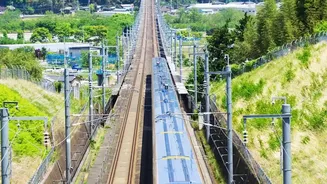
reduction in travel time, from over seven hours by conventional rail to just about two hours, with trains operating at speeds of 320 km/h. The project involves constructing elevated viaducts, bridges, and even India's first undersea rail tunnel. As of late 2026, construction is advancing rapidly, with significant portions of pier and viaduct work completed. The first section, likely between Surat and Bilimora or Vapi, is slated to become operational in 2027.
The Japanese Connection
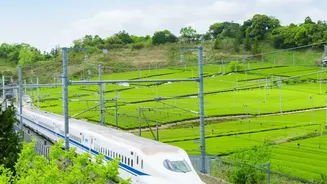
This monumental undertaking is a symbol of Indo-Japanese collaboration. Japan is not only providing its world-renowned Shinkansen technology, known for its impeccable safety and punctuality, but is also a crucial financial partner. The Japan International Cooperation Agency (JICA) has extended a substantial soft loan, covering over 80% of the initial project cost at a remarkably low interest rate of 0.1% over a 50-year repayment period. This partnership goes beyond funding, involving extensive technical cooperation, training for Indian engineers, and a transfer of technology designed to boost India's 'Make in India' initiative by developing a domestic manufacturing ecosystem for high-speed rail components.
The High Cost of Progress
From its inception, the project has been shadowed by a fierce debate over its cost and priorities. The initial price tag of around ₹1.1 lakh crore has seen escalations due to delays and other factors. A significant hurdle has been land acquisition. The process, spanning thousands of plots across Gujarat and Maharashtra, was met with protests from farmers and activists concerned about compensation and livelihood. While land acquisition was officially completed, legal challenges over compensation amounts continue, with the project authority warning that some court rulings could significantly inflate the final cost. Critics argue that the massive investment could have been better used to upgrade India's existing, overburdened railway network, which serves a much larger portion of the population.
Economic Ripples and Debates
Proponents of the bullet train argue that its benefits extend far beyond just faster travel. They see it as an economic multiplier that will create jobs, stimulate industrial growth, and lead to the development of new urban centres around the twelve stations planned along the route. The project is expected to boost sectors like construction, cement, and steel, while the resulting economic corridor is predicted to enhance business connectivity and attract investment. However, questions remain about the project's financial viability, particularly concerning ticket prices. For the train to be successful, fares must be competitive with air travel but affordable enough to attract a sufficient volume of passengers, a balance that will be challenging to strike.
A Blueprint for the Future
The Mumbai-Ahmedabad corridor is not just a standalone project; it is envisioned as a template for a national high-speed rail network. The lessons learned from its construction, from engineering standards to operational practices, are being used to create a standardised model for future corridors. The government has already identified seven other potential high-speed routes, including Delhi-Varanasi and Chennai-Bengaluru, representing a massive potential investment in the country's future infrastructure. Furthermore, the project is driving indigenous manufacturing, with Indian companies now developing trainsets capable of high speeds, aligning with the 'Atmanirbhar Bharat' vision. The success or failure of this first corridor will undoubtedly shape the future of high-speed travel in India for decades to come.