





The New Economics of Spaceflight
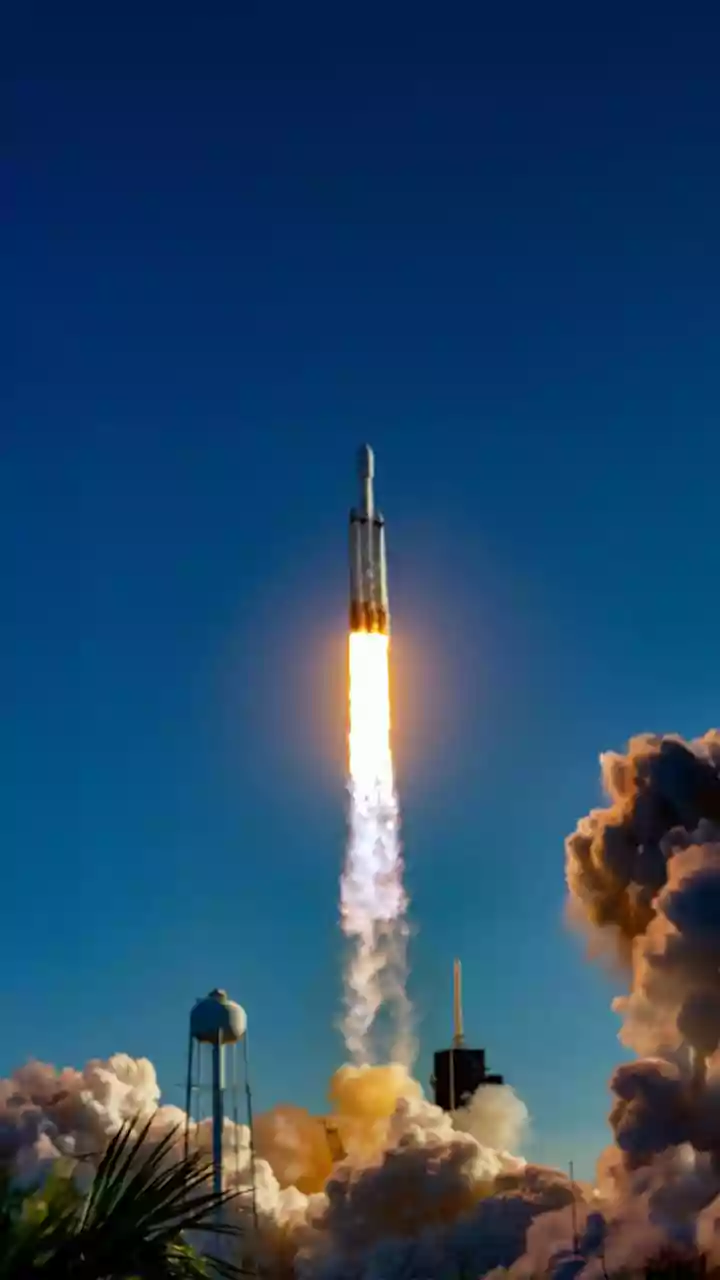
Imagine buying a brand-new car for a single trip from Delhi to Mumbai, only to discard it upon arrival. That was the reality of space travel for over half a century. Rockets were single-use vehicles, making every launch an astronomically expensive affair
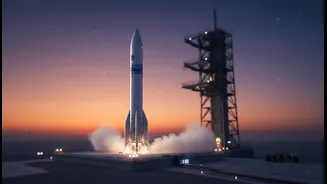
limited mostly to governments and large corporations. This model is now being aggressively challenged. The global space economy is projected to grow to $1.8 trillion by 2035, and this expansion is fueled by a revolution in launch technology. A new generation of private companies is rewriting the rules, driven by the need to drastically cut costs and increase launch frequency. Missions like the recently announced Mission-02 by Indian startup Agnikul Cosmos represent this shift, combining two game-changing concepts: recovering the most expensive parts of the rocket and giving the final stage a second life in orbit.
Mastering the Art of Recovery
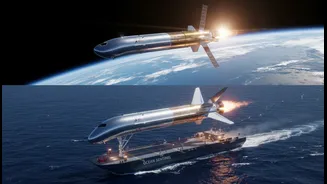
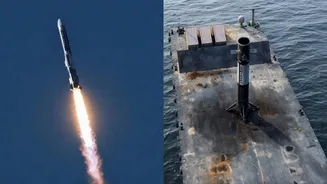
The first and most crucial innovation is rocket reusability. The core idea is simple: instead of letting the massive first-stage booster—which contains the powerful and costly engines—fall into the ocean after its job is done, it is designed to fly back to Earth and land safely. This allows it to be refurbished and flown again, dramatically reducing the marginal cost of a launch. Companies like SpaceX have already proven this model is not just possible but highly effective, with their Falcon 9 boosters sometimes flying more than a dozen missions. By recovering and reusing the booster, a launch provider can slash the cost per flight, making space more accessible for everything from satellite constellations to scientific research. This shift is as fundamental as the transition from disposable goods to durable, reusable infrastructure, and it’s the bedrock of the modern space race.
An Upper Stage With a Second Life
While the booster gets the rocket out of the thick lower atmosphere, the smaller upper stage is what performs the final push, placing the satellite or spacecraft into its precise orbit. Traditionally, this upper stage becomes another piece of space junk or is directed to burn up in the atmosphere. Mission-02, however, showcases a paradigm shift: the upper stage is designed to remain operational in orbit long after its primary mission is complete. Instead of becoming debris, it is repurposed into a functional platform. This strategy tackles two problems at once: it reduces the growing issue of orbital debris and creates a valuable asset in space from something that would otherwise be discarded.
A Permanent Foothold in Orbit
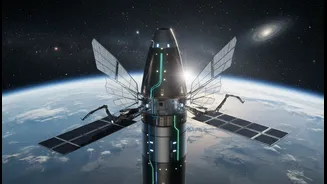
An upper stage left intentionally in orbit can become what is known as a 'space tug' or orbital transfer vehicle. It can use its remaining fuel and engine to perform new tasks, such as moving other satellites to different orbits, deploying smaller satellites over time, or acting as a servicing platform. This opens up a new market for in-space logistics. For example, a company could launch a batch of satellites and use the repurposed upper stage to fine-tune their final positions or even refuel them later. In the future, these orbital platforms could host scientific experiments, test new technologies, or serve as foundational nodes for larger in-orbit construction projects. It transforms the upper stage from a delivery vehicle into a persistent piece of infrastructure.
India's Growing Ambition
This mission profile is particularly relevant for India. While ISRO has its own advanced reusable launch vehicle program, Pushpak, Indian private startups like Agnikul and Skyroot Aerospace are moving quickly to demonstrate commercial reusability. Agnikul's Mission-02 aims to be the first Indian attempt to recover an orbital-class rocket booster, a significant milestone for the nation's burgeoning private space sector. By embracing both rocket recovery and upper stage repurposing, these companies are not just following a global trend but are positioning India to be a key player in the next generation of space logistics and a more sustainable, circular space economy.