




Why Texture Matters
A great dessert engages more than just your taste buds; it's a multi-sensory experience. Texture plays a critical role by adding complexity and preventing palate fatigue. Think about the satisfying crack of a crème brûlée's sugar crust giving way to cool,
smooth custard, or the combination of a warm, gooey brownie with cold, creamy ice cream. This interplay of sensations is what makes a dessert memorable. When you combine different textures—like creamy, crunchy, and chewy—you create a dynamic experience that keeps the palate engaged from the first bite to the last. The goal is to build a plate where each component offers a new and pleasurable sensation, making the entire flight feel cohesive and satisfying.
The Creamy Foundation
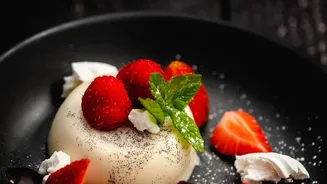
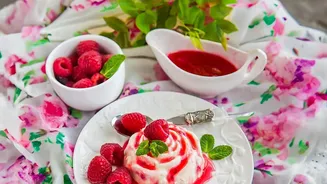
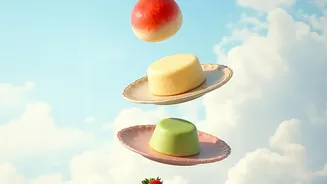
Every dessert flight needs an anchor, and a creamy element often serves as the luxurious base. This component provides a smooth, rich mouthfeel that coats the palate. It acts as a perfect foil for sharper, crunchier textures. When choosing your creamy dessert, think about richness and density. Options can range from a light, airy mousse to a dense, decadent panna cotta or a classic custard. Other excellent choices include a mini no-bake cheesecake, a small pot of silky chocolate pudding, or a scoop of velvety ice cream. The key is to select something that is satisfyingly smooth, setting a standard of indulgence for the flight.
The Crunchy Counterpoint
Crunch is what brings excitement and sound to a dessert. It provides a necessary break from the softness of the creamy component, adding a satisfying snap or crumble. This texture can be incorporated in many ways. You could feature a small, crisp cookie like a buttery shortbread or a thin almond biscotti. Another approach is to add a crunchy topping or element, such as nut brittle, candied pecans, honeycomb shards, or a chocolate crumble. Even a single, well-made piece of praline or a shard of tempered chocolate can provide the textural contrast needed to make the plate more interesting and dynamic. The crunch should be assertive enough to be noticed but not so overwhelming that it dominates the other desserts.
The Chewy or Soft Surprise
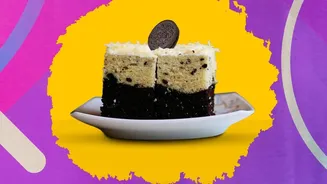
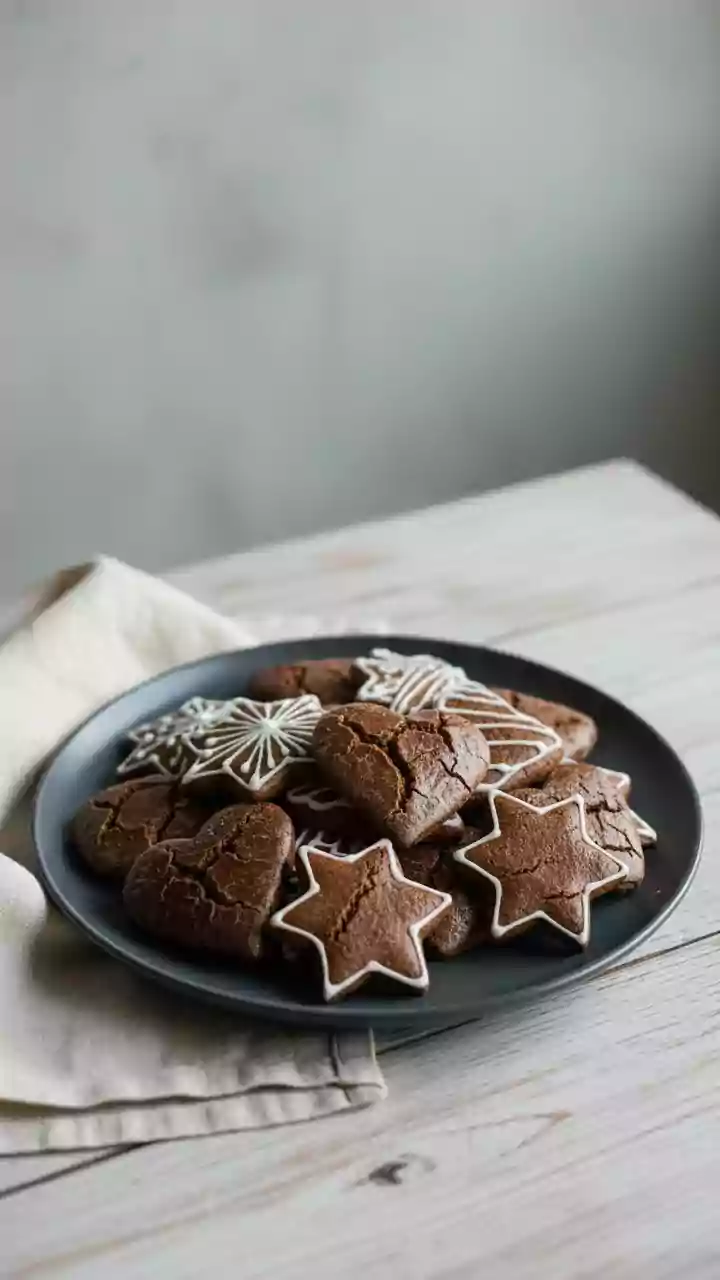
The third texture introduces a different kind of satisfaction—a lingering, pleasant resistance. A chewy or soft component adds depth and prolongs the tasting experience. Think of a miniature fudgy brownie, a soft-baked cookie, or a buttery blondie. These desserts have a dense, satisfying quality that contrasts beautifully with both the smooth cream and the sharp crunch. Charleston Chewies, a traditional Southern dessert bar with a gooey brown sugar center, are a perfect example of this texture. Fruit can also provide this element, such as in a small fruit tart with a tender crust or a soft, baked apple slice. This final piece completes the textural triangle, ensuring every bite is unique.
Building and Plating Your Flight
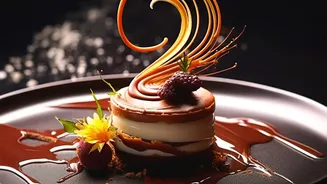
Now it's time to assemble your flight. A good rule of thumb is to work with an odd number of items, as it’s often more visually appealing. For example, you could pair a small cup of white chocolate mousse (creamy), a single salted caramel brownie bite (chewy), and a crisp almond tuile cookie (crunchy). Or, try a mini lemon panna cotta (creamy), a raspberry financier (soft), and a piece of pistachio brittle (crunchy). When plating, use a clean, plain plate—white is often best as it makes the colours of the dessert pop. Arrange the items with a bit of space between them to let each one shine. You can add a simple sauce or a few fresh berries as a garnish, but remember that the focus is on the textures of the three main components.