









An Ambitious Fleet Overhaul
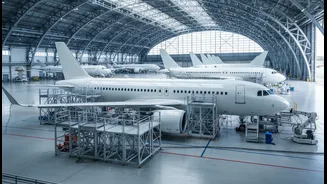
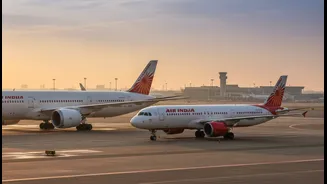
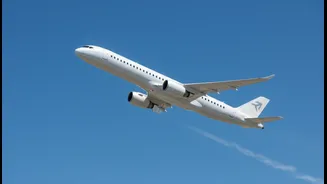
The Tata-owned Air India Group is accelerating its five-year transformation plan by inducting between 50 and 60 new aircraft over the next 18 months. This is a significant step in a much larger strategy, which includes an order book for nearly 600 aircraft scheduled
for delivery through the mid-2030s. The incoming fleet is a mix of narrow-body jets, ideal for domestic and short-haul routes, and wide-body aircraft designed for long-haul international flights. This near-term infusion is part of the airline's broader effort to modernize its fleet, enhance service quality, and expand its network since being acquired by the Tata Group in January 2022.
What This Means for Passengers
For travelers, this expansion translates directly into more options. Increased capacity means more available seats, which can lead to more frequent flights on high-demand routes and the launch of new connections to destinations both within India and abroad. The airline is already focused on restoring its international network, with services to the Middle East, Europe, and the US being reinstated and bolstered. The introduction of new aircraft, such as the Boeing 787-9 and Airbus A350s, also means a better in-flight experience, with modern cabin interiors and amenities like Premium Economy on more routes. While the full retrofitting of all older wide-body planes will take a couple of years, the new additions promise a significant upgrade for passengers.
The Fare Factor and Market Competition
A fundamental principle of economics suggests that when supply increases, prices may become more competitive. With tens of thousands of new seats entering the market, passengers could see some relief in airfares. However, ticket prices are influenced by many variables, including volatile aviation fuel prices, operational costs, and passenger demand. This massive investment by the Air India Group will undoubtedly intensify competition in the Indian aviation market, which is dominated by IndiGo and the Tata-owned airlines. This could prompt competitors to adjust their own strategies, potentially leading to more competitive pricing and better services across the board as airlines vie for a larger share of India's rapidly growing market.
Navigating Potential Headwinds
This ambitious expansion is not without its challenges. The global aviation industry is currently grappling with significant supply chain disruptions, which have already caused delays in aircraft deliveries and maintenance schedules for many carriers. Furthermore, a rapid increase in fleet size requires a corresponding increase in trained personnel. India's aviation sector is already facing a shortage of pilots and technical staff to service the planned fleet growth. Successfully managing these operational hurdles, from securing a steady stream of new planes to training and retaining enough crew to fly them, will be critical to realizing the full potential of this expansion.