





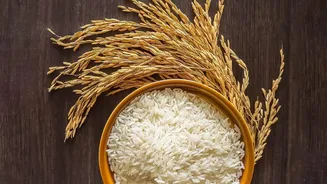
The Global Squeeze on Supply
From our kitchens, it's easy to miss the global currents that decide the price of our daily staples. Recently, geopolitical tensions, such as the conflict in the Middle East, have prompted many countries to secure their food supplies by stockpiling essentials
like rice. This surge in international buying puts a strain on the global market. At the same time, unpredictable weather patterns, including a potential 'super El Niño' and deficient monsoon rains in key agricultural belts, are raising concerns about future harvests. This combination of heightened demand and worries about tightening supply creates a ripple effect that eventually reaches our local markets, contributing to price rises.
The View from India's Markets
India, as a leading producer and exporter of rice, is not immune to these pressures. In the first quarter of fiscal year 2027, basmati rice prices saw a 15-20% increase, while some non-basmati varieties jumped by as much as 20-25%. For instance, a popular variety like Sona Masoori which sold for around ₹51-52 per kg last year is now priced closer to ₹63-64 per kg. The government often steps in with policies to balance the needs of farmers, domestic consumers, and international trade. Measures like managing export levels aim to ensure there's enough rice for everyone at home, but the pressure from high global demand and lower-than-normal rainfall keeps domestic prices firm. Traders expect prices to remain elevated until new crops arrive later in the year.
Your Financial Toolkit: Track and Plan
When the cost of a staple food rises, it can quietly disrupt an entire household budget. The first step to regaining control is to know exactly where your money is going. Start by tracking your monthly expenses, especially groceries. Use a simple notebook or a budgeting app to see what you spend. This creates a clear picture of your finances and helps you identify areas where you can adjust. Following a budgeting rule, like the 50/30/20 method (50% for needs, 30% for wants, 20% for savings), can provide a simple framework. During periods of high food inflation, you might need to adjust these percentages, temporarily reducing 'wants' to cover the increased cost of 'needs'.
Smart Shopping and Storage Strategies
A little planning before you shop can lead to significant savings. Meal planning for the week helps you create a precise shopping list, which is the best defence against impulse buys. For non-perishable staples like rice, dals, and atta, buying in bulk is often cheaper per kilogram. However, this strategy only works if you have proper storage to prevent spoilage and waste. Use airtight containers for grains and practice the 'first in, first out' method in your pantry. Also, consider splitting your shopping into a big monthly trip for bulk items and smaller weekly runs for fresh produce to get the best of both value and freshness.
Diversify Your Plate and Your Savings
While rice is a staple, exploring other grains can be a smart move both for your budget and your health. Millets and other local cereals can be more price-stable and offer excellent nutritional benefits. Incorporating these into a few meals a week can help offset the rising cost of rice. At the same time, it’s crucial to build an emergency fund. Having three to six months of living expenses saved in an accessible account provides a crucial buffer against financial shocks, including sudden spikes in the cost of living. This safety net ensures that a rise in grocery bills doesn't force you into debt.