




The Allure of a Kitchen Staple
In the quest for greener leaves and stronger roots, some gardeners are looking past commercial fertilisers and toward their spice racks. Ginger, a staple in kitchens worldwide, is at the heart of a growing DIY trend: ginger water for plants. This simple
concoction, made by infusing ginger in water, is being used by home gardeners who believe its natural properties can give their potted plants a significant boost. The idea is that the same compounds that make ginger a popular health remedy for humans can also benefit plants. Proponents use it as a multi-purpose tonic, hoping to improve everything from root health to pest resistance in a way that is both cost-effective and free from harsh chemicals.
Supposed Benefits for Potted Plants
Gardeners who use ginger water do so for several key reasons. The primary claim is that ginger has natural anti-fungal properties that may help protect plant roots from rot and other soil-borne diseases. It is also believed to stimulate root development and improve a plant’s ability to absorb nutrients. Ginger contains essential minerals like potassium and magnesium, which are vital for a plant's overall health and help strengthen its structure. Another touted benefit is pest deterrence; the strong, spicy scent of ginger is thought to repel common garden pests like aphids and ants without harming the plant. Some users also report that a splash of ginger water can encourage blooming in flowering plants.
A Simple Recipe to Try at Home
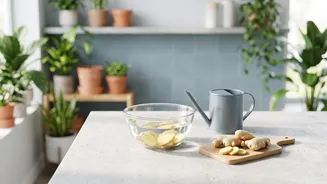
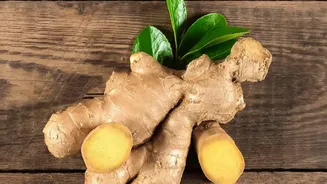
Making your own ginger water is a straightforward process. There are two common methods. The first is a 'brewed tea' method. Start by taking a piece of fresh ginger root (approximately 1-2 tablespoons grated) and grate or slice it into small pieces. Add the ginger to a pot of boiling water and let it simmer for about 10-15 minutes. After simmering, allow the liquid to cool completely before straining out the solid ginger pieces. The second method is a 'cold steep'. This involves soaking ginger peels and leftover pulp in a bucket of warm (not hot) water for 24 hours. After a day, the water will have taken on the colour and scent of ginger, and can be strained for use. For either method, the leftover ginger pulp and peels can be added to your compost pile.
How to Apply Ginger Water
Once your ginger water has been prepared and cooled, there are two main ways to apply it to your potting soil. The most common method is a soil drench. For this, you can pour the liquid directly onto the soil around the base of your plants, allowing the roots to absorb it. Some recipes suggest diluting the ginger water first, mixing about one cup of the ginger solution with three cups of plain water before applying. Another option is to use it as a foliar spray. Simply pour the strained ginger water into a spray bottle and mist the leaves of your plants. This is believed to give the plant a more immediate nutrient boost and can also help with deterring pests that hide on the undersides of leaves. Gardeners often apply the treatment once every two to four weeks, typically in the morning or evening to avoid the strong midday sun.
Does This Garden Hack Really Work?
While the anecdotal evidence from gardeners is plentiful, it’s important to approach this trend with a dose of reality. Ginger does contain compounds like gingerol, which have been scientifically studied and shown to have antimicrobial and antifungal properties. Studies have shown ginger extract can inhibit the growth of certain plant pathogens like Fusarium solani, a cause of root rot. However, these studies often use concentrated extracts, and it is less clear if a simple homemade water infusion is potent enough to have the same dramatic effect. While the infusion will contain trace amounts of nutrients like potassium, it is not a replacement for a balanced fertilizer. Think of ginger water as a mild, natural supplement rather than a cure-all. It's a low-risk experiment for the curious gardener, but established practices like using good quality soil, proper watering, and appropriate fertilizers remain the most reliable path to healthy plants.