






The Annual Ritual in India
For salaried individuals and many others in India, the end of July marks a familiar and often frantic period: the deadline for filing income tax returns for the previous financial year. As of late July 2026, the due date for most individual taxpayers
for the Assessment Year 2026-27 is July 31. Missing this deadline can lead to penalties, interest on unpaid tax, and the inability to carry forward certain financial losses. This annual compliance is a cornerstone of India's economy. The taxes collected are a critical source of revenue for the government, funding everything from infrastructure projects like roads and bridges to public services such as healthcare, education, and national defence. It's a system designed for a vast, developing nation of over a billion people, where direct and indirect taxes work together to fuel national progress and provide essential services.
A Different World: Monaco's Tax Haven Status
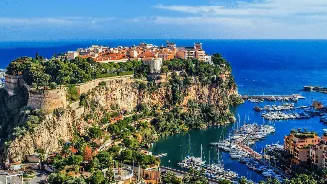
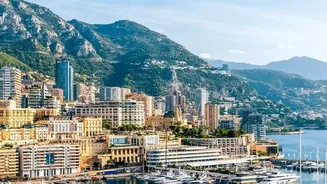
Meanwhile, on the French Riviera lies the Principality of Monaco, a tiny sovereign state famous for its glamour, casinos, and an almost mythical tax policy. For its residents, the concept of filing an annual income tax return doesn't exist. Monaco has not levied a personal income tax since 1869. This applies to income from salaries, investments, capital gains, and dividends for most residents. The only major exception are French nationals who moved to Monaco after 1962; due to a bilateral treaty, they are still subject to French income tax. For everyone else, it’s a tax-free existence on personal earnings, a reality that sounds unbelievable from the perspective of a taxpayer in India.
How Does Monaco Fund Itself?
If residents don't pay income tax, how does Monaco afford its high-end public services, immaculate streets, and one of the world's highest police-to-resident ratios? The answer lies in a clever and diversified revenue strategy. The government's largest single source of income is a Value Added Tax (VAT), which is levied at the same rate as in France (currently 20% for the standard rate). This tax is paid on all goods and services, and a significant portion is collected from the millions of tourists who visit annually. Other major revenue streams include a corporate profit tax on businesses that generate over 25% of their turnover outside Monaco, taxes on real estate transactions, and income from state-owned enterprises, including the famous Monte Carlo casino. This model allows the state to thrive without directly taxing its residents' income.
The Real Cost of a Tax-Free Life
Before you start packing your bags, it's crucial to understand that living in this tax paradise comes at an astronomical price. The primary barrier to entry is the cost of housing. Monaco is one of the most expensive real estate markets in the world, with a simple studio apartment potentially costing over a million euros to purchase. To even apply for residency, you must prove you have accommodation (either owned or rented) and demonstrate financial self-sufficiency. This typically involves depositing a minimum of €500,000 in a local bank. The monthly cost of living for a single person can easily exceed €6,000, factoring in rent, utilities, and daily expenses. So, while residents save on income tax, the entry ticket and ongoing cost of living are exceptionally high, making it a viable option only for the world's wealthiest individuals.
Two Systems, Two National Realities
The comparison between India's tax system and Monaco's is ultimately a lesson in scale and purpose. India, with its massive population and significant social welfare responsibilities, relies on a progressive income tax system to ensure a more equitable distribution of the tax burden and to fund its extensive development needs. It's a system built for a large, complex economy. Monaco, a city-state with a population of under 40,000, has tailored its economic model to its unique circumstances. It has positioned itself as a secure, luxury haven for the ultra-rich, funding itself through consumption taxes and corporate profits rather than personal income. The two approaches are reflections of their vastly different social contracts and economic realities.