





The Power of a Pretty Plate
Our brains are wired for efficiency, using visual shortcuts to make quick judgments about the world, and food is no exception. Research consistently shows that the presentation of food significantly influences our expectations and perceptions. A dish
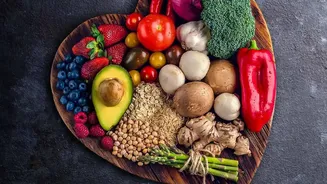
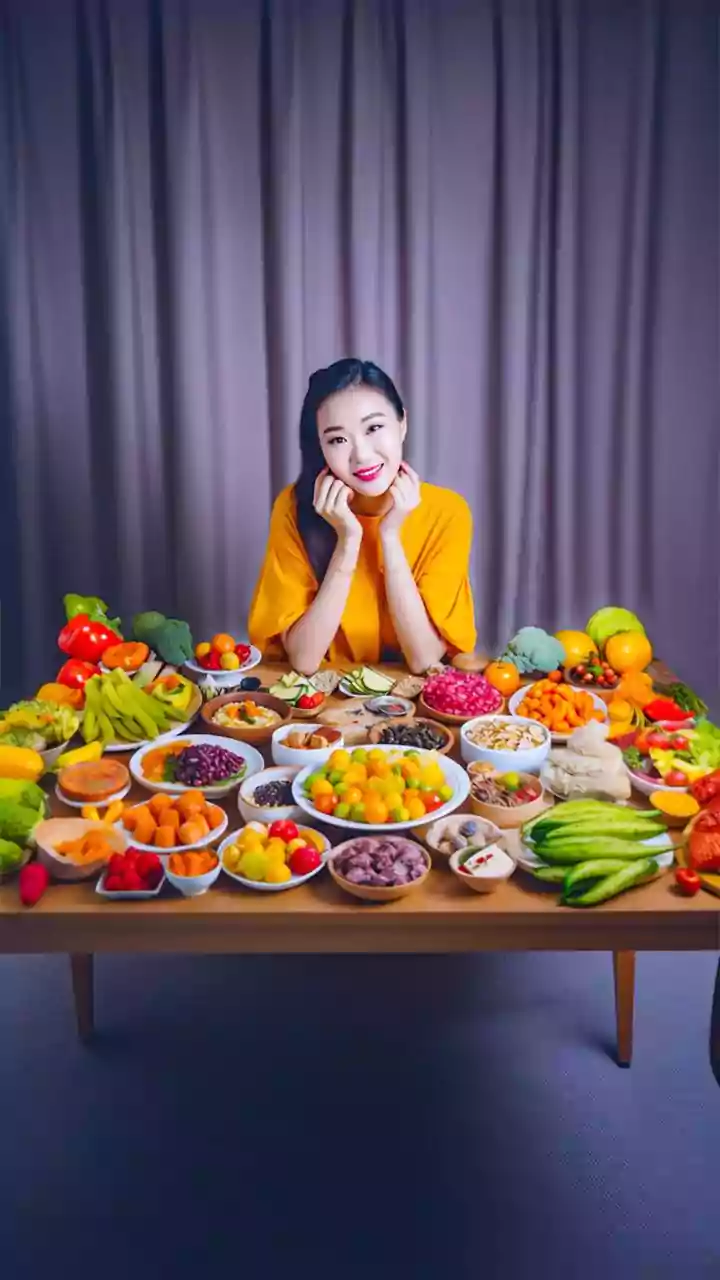
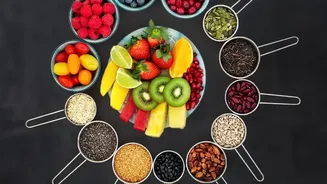
that is neatly arranged, colourful, and balanced is often perceived as being of higher quality, tasting better, and, most importantly, being healthier. For example, one study found that identical oat biscuits were rated as healthier when they had a more pronounced, explicit surface texture. This happens because our minds associate care and order with quality and safety. Symmetrical arrangements can make food seem more appealing and even safer, tapping into a subconscious preference for balance. These visual cues create powerful first impressions that can override our rational assessment of what we are about to eat.
The 'Health Halo' Illusion
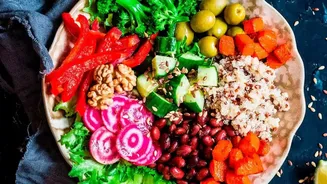
This tendency to let one positive attribute shape our entire opinion of something is known as the 'health halo' effect. When we see a beautifully presented salad, our brain can put a 'halo' on it, assuming it must also be low in calories, full of vitamins, and generally good for us. This effect is not just limited to presentation. Marketers use trigger words like 'organic', 'low-sugar', or 'gluten-free' to create the same illusion. The danger is that this halo can mislead us into making less healthy choices. We might overconsume a 'healthy' food, underestimating its calorie count, or choose a beautifully plated dessert over a simpler but more nutritious fruit bowl, all because the presentation tricked us into thinking it was a better choice. Studies show people are even willing to pay more for foods they perceive as prettier because they are also perceived as healthier and more natural.
Decoding Common Visual Traps
Several specific visual cues are particularly effective at fooling our brains. Colour is a major one; vibrant greens suggest freshness, while bright reds and oranges can signal sweetness and ripeness. The arrangement itself is also critical. A recent study from 2026 found that diners perceived a dish as significantly healthier when the sauce was served on the side rather than drizzled all over it, suggesting that a 'cleaner', more minimal presentation implies health. Height and layers can make a dish seem more sophisticated and valuable, while neatness and symmetry suggest the chef took great care, implying a higher quality meal. Even the plate can have an impact; some research indicates that desserts served on white plates are perceived as sweeter. These are not just artistic choices; they are powerful psychological triggers that shape our perception of food before it ever touches our lips.
Seeing Past the Polish: How to Be a Smarter Eater
While we cannot turn off our brain's natural tendency to judge by appearance, we can become more mindful consumers. The first step is awareness: simply knowing that a beautiful presentation can create a health halo is a powerful defence. The next step is to actively look past the visual appeal and focus on the substance. This means taking a moment to read the nutritional information on packaged foods, especially those with appealing health claims. When eating out, do not be afraid to ask about ingredients. That stunningly arranged salad might be loaded with a high-fat dressing, candied nuts, and cheese, making it less healthy than a simpler option. Pay attention to portion sizes, which are often disguised by artful plating. Ultimately, the goal is to make a conscious choice based on ingredients and nutritional value, rather than letting your eyes make the decision for you.