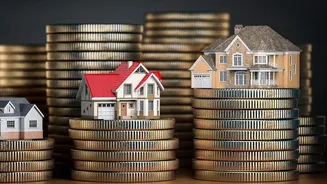








Every Indian homebuyer faces the classic dilemma: a spacious home in a developing area or a smaller one in a prime locality? This decision shapes your finances and lifestyle for years. Here’s a guide to help you choose wisely and look beyond the walls.
The Great Debate: Space vs. Place
The choice between a larger home and a better location is the first major hurdle for most buyers in India. Opting for size often means moving towards the suburbs or peripheral areas where property is more affordable per square foot. This appeals to growing families or those who need a dedicated home office, offering more personal space and a quieter environment. On the other hand, choosing a prime location typically means compromising on size. A smaller, centrally-located apartment offers unparalleled convenience, with shorter commutes, and better access to social infrastructure like top schools, hospitals, and entertainment hubs. This is often the preferred route for young professionals and nuclear families who prioritise a vibrant lifestyle and connectivity over square footage.
How to Define Your Priorities
The 'right' choice is deeply personal and depends entirely on your current life stage and future goals. Before you start your property search, ask yourself some honest questions. For long-term living and family needs, a larger home might be non-negotiable. If you plan to sell the property in the future, a prime location generally offers better appreciation and is easier to liquidate. Consider your daily routine: will a long commute from a spacious home negate the benefits of extra room? Or will a cramped apartment in a great location feel restrictive after a few years? Your budget is a key factor, but your lifestyle should be the deciding one. A sensible strategy can be to buy a smaller home in a good location now and plan to upgrade as your income grows.
The Non-Negotiable: Neighbourhood Infrastructure
Regardless of whether you prioritise size or location, the quality of the neighbourhood infrastructure is the one factor you cannot afford to overlook. A great apartment in an area with constant water shortages, poor roads, or frequent power cuts will quickly become a source of frustration. Solid infrastructure is the foundation of a convenient life and a sound investment. It's what transforms a collection of buildings into a functional, liveable community. Before you fall in love with a property's layout or view, you must become a detective and investigate the area that surrounds it. This due diligence can save you from costly mistakes and buyer's remorse.
Your Essential Infrastructure Checklist
Don't just take the broker's word for it; verify everything yourself. Visit the location at different times of the day—especially during peak morning and evening hours—to assess traffic, noise levels, and general safety. Your checklist should include:
Basic Utilities: Check for reliable municipal water supply, as dependency on tankers can be expensive and inconsistent. Ask existing residents about the frequency of power outages and the quality of drainage, especially during monsoon season.
Connectivity: Measure commute times to your workplace during actual travel hours, not just the distance in kilometres. Evaluate access to major roads, highways, and public transport like metro or bus stations.
Social Infrastructure: Are there good schools, hospitals, pharmacies, and grocery stores nearby? A neighbourhood with a healthy mix of these amenities makes daily life significantly easier.
Safety and Environment: Walk around the neighbourhood after dark to check for street lighting and general safety. Look for well-maintained parks, clean streets, and the absence of open drains or garbage dumps.
Look to the Future
A property's value is not just about its present condition but also its future potential. Research the local municipality's development plans for the area. An upcoming metro line, a new business park, or an expressway can significantly boost your property's value and livability in the long run. Conversely, be wary of brochure promises that aren't backed by official plans. Verify claims about 'upcoming' projects with the relevant government authorities. A little research today can ensure your investment continues to pay dividends in terms of both lifestyle and financial returns for years to come.