




The International Energy Agency (IEA) has issued a stark warning about the world’s energy supply, raising concerns about potential shortages of refined fuels like petrol and diesel. Here’s what you need to know about the situation.
What Did the IEA Actually Say?
The IEA, an influential
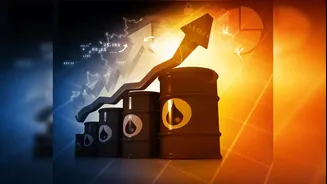
body that advises industrialised nations on energy policy, has highlighted a growing problem in the global oil market. In recent reports, the agency has pointed to a significant tightening of the supply for refined products, particularly diesel. The core of the issue isn't a lack of crude oil itself, but a bottleneck in the system that turns that crude into usable fuels. The IEA's Executive Director, Fatih Birol, has stated that energy markets are not expected to return to pre-war conditions in 2027, signalling a prolonged period of instability. The agency warns that the global refining system is 'stretched to the limit', and shortages, especially for diesel, could persist well into next year.
What Are Refined Fuels?
Refined fuels are the final products derived from crude oil through a process called refining. These are the fuels that power our daily lives. The most common examples include petrol (gasoline) for cars, diesel for trucks, buses, trains, and agricultural machinery, and jet fuel for aeroplanes. Kerosene, used for lighting and cooking in some households, is also a refined product. Diesel, also known as gasoil, is often called the workhorse of the global economy because it is essential for transporting goods, powering construction, and running factories. A shortage of these specific fuels can therefore have a much more direct and immediate impact on the economy than a simple rise in crude oil prices.
The Real Problem: A Refinery Bottleneck
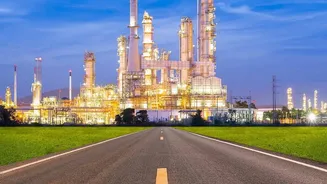
The world is facing a shortage of refining capacity. Several factors are contributing to this. Geopolitical conflicts in the Middle East and the ongoing war in Ukraine have severely disrupted exports of refined products from key regions like Russia and the Gulf. This has forced a major rerouting of global energy trade. At the same time, global refinery runs—the amount of crude being processed—are lower than in previous years. Some refineries are undergoing maintenance, while others have been closed down in recent years, partly due to a long-term shift towards greener energy. The net result is that even with available crude oil, there simply isn't enough capacity to refine it into the diesel and petrol that the market demands.
How This Could Affect India
For India, which imports over 85% of its crude oil requirements, a global squeeze on refined products is a major concern. While India has significant domestic refining capacity and is even a net exporter of refined fuels, it is not immune to global price shocks. If the cost of diesel and petrol soars on international markets, that pressure will inevitably be felt at home. This can lead to higher prices at the pump for consumers. For the broader economy, it means increased transportation costs for everything from food to consumer goods, potentially driving up inflation. Businesses that rely heavily on diesel, such as logistics, agriculture, and manufacturing, would face higher operating costs, which could impact growth and prices. While Indian refineries have been able to source crude, disruptions in the supply of refined products in Asia could have knock-on effects.
What Happens Next?
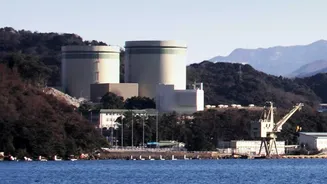
The IEA has warned that the tightness in the diesel market could last until the second half of 2027. Governments are being urged to treat energy security as a top priority. In the short term, countries may need to draw from strategic petroleum reserves, something the IEA has coordinated in the past to stabilise markets. However, these are finite buffers. According to the IEA, these inventories have been shrinking at a record pace. Looking ahead, the situation highlights the vulnerability of the global energy system. The IEA projects that even with a partial recovery in demand and supply in 2027, global oil use will remain below 2025 levels. This crisis may accelerate the push towards improving energy efficiency and diversifying energy sources, including a renewed interest in nuclear power, as noted by the IEA.