




From Niche to Necessity
Not long ago, protein was the domain of bodybuilders and elite athletes. Today, it’s a mainstream obsession. This shift is driven by a growing awareness of health and wellness, with consumers increasingly linking protein to benefits like weight management,
satiety, and overall physical health. This rising consciousness has transformed protein from a simple nutrient into an identity marker for a healthy lifestyle. Food companies, from global giants to local startups, have taken notice, fortifying a vast array of products to meet this surging demand. In India, the trend is accelerating rapidly, with quick commerce platforms reporting a 150% jump in protein-related orders over the last two years.
A Marketer’s Golden Ticket
For food manufacturers, protein is the perfect ingredient. It carries a “health halo,” an aura of wellness that makes a product instantly more appealing to health-conscious shoppers. A “high protein” claim on the front of a package can distract from less desirable attributes like high sugar or sodium content. This strategy, sometimes called “protein washing,” leverages the positive perception of protein to make ultra-processed foods seem healthier than they are. Consumers are often willing to pay a premium for these fortified products, making it a lucrative move for brands. The result is an explosion of protein-enriched snacks, cereals, and even desserts, all vying for the attention of shoppers looking for a convenient health boost.
The Indian Protein Boom
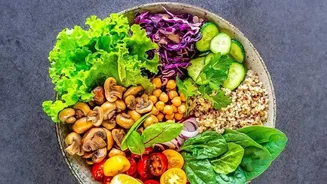
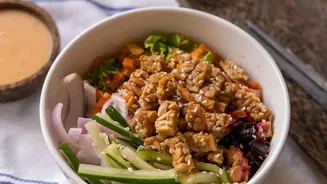
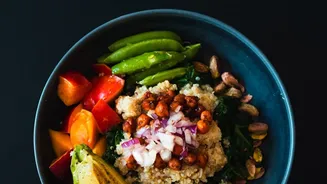
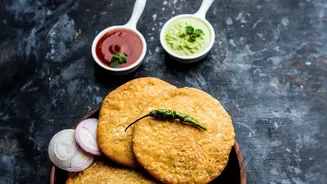
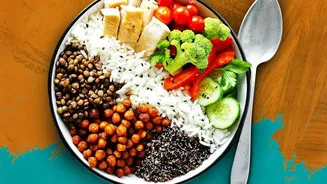
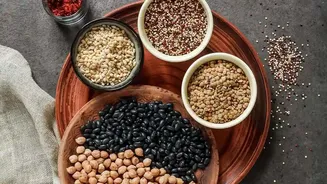
The protein trend has found fertile ground in India, a country where awareness of nutritional gaps is growing. While a significant portion of the population has historically relied on cereals for protein, there is a clear shift towards diversifying sources. This is reflected not only in the rise of modern nutrition products like protein bars and shakes but also in the renewed popularity of traditional, naturally protein-rich foods like paneer, eggs, besan, and makhana. The growth is not just confined to metropolitan areas; Tier II and III cities are seeing demand grow over 200% faster, indicating a nationwide movement. Companies are responding by launching everything from protein-fortified atta to breakfast smoothies, aiming to integrate the nutrient into every meal of the day.
Look Beyond the Label
While increased protein intake can be beneficial, experts advise a closer look at the source and the overall nutritional profile of a product. Adding protein to a fundamentally unhealthy food doesn't automatically make it a good choice. The term "protein-washed" has emerged to describe products where the protein claim serves more as a marketing tactic than a meaningful nutritional enhancement. It's important to consider what else is in the product. Is it also high in added sugars, refined carbohydrates, or unhealthy fats? True value often lies in whole foods that are naturally rich in protein and other essential nutrients, rather than heavily processed items with fortified claims.