





What is This New Verification?
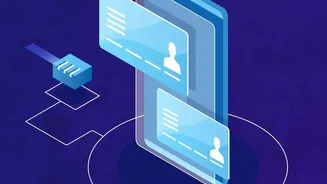
LinkedIn is testing a feature that allows your connections to vouch for your credentials. This peer-backed system, which initially focused on work experience, has now been expanded to include educational history. Essentially, your former colleagues can
confirm you worked at a certain company, and now, your old classmates can verify that you attended a particular university. Once you receive enough confirmations, a verification badge appears on your profile, adding a layer of authenticity that goes beyond simple self-reporting. This is different from the existing 'endorsements' feature, which is about skills; this new pilot is about confirming the facts of your professional and academic journey.
How Does It Actually Work?
The process is designed to be rooted in genuine connections. LinkedIn will prompt verified members to confirm the credentials of people they have worked or studied with. To provide a verification, a user must have their own profile verified, be connected to the person for at least one year, and have two-factor authentication enabled on their account. These safeguards are in place to prevent misuse and ensure that only credible connections can provide a voucher. While the system currently relies on prompts from LinkedIn, the company has stated that in the coming months, users will be able to proactively ask their connections for these verifications, giving them more control over building their profile's credibility.
Why This Is a Big Deal for Your Profile
In a crowded digital landscape, trust is a valuable currency. This feature is LinkedIn’s latest move to combat the rise of fake profiles and fraudulent claims, which have become easier to create with advancements in AI. For professionals in India, where LinkedIn adoption is high, a verified profile can be a significant advantage. According to LinkedIn, verified members already see substantially more engagement, including up to 90% more profile views and 50% more engagement on posts. This added credibility can help you stand out to recruiters, build trust with potential clients, and give your professional network more confidence in your background. It moves your profile from a simple resume to a more dynamic, socially-validated career history.
More Than Just Your Profile
The push for verification extends beyond individual profiles. The platform is also giving company page administrators more power to protect their brand by removing imposter accounts that falsely claim employment. Some companies are even piloting a feature that requires new employees to complete workplace verification before they can associate themselves with the company's official page. Furthermore, LinkedIn is expanding its partnerships with other platforms. New partners like Truecaller will now be able to show if a person calling you has a verified LinkedIn profile, adding a layer of trust to interactions that happen off the platform. This means your verified status on LinkedIn could soon act as a digital passport of professional credibility across different services.
Potential Questions and The Path Forward
While the new system offers clear benefits, it also raises questions. What happens if a former colleague or classmate declines a verification request? And could the system be gamed by networks of users, despite the safeguards? LinkedIn appears to be mitigating this with rules like the one-year connection requirement and a cap on how many people one can endorse. It's important to remember that this peer-verification is a signal of trust, not a replacement for formal background checks. Users will also have the option to opt-out of displaying the verification badge if they choose. As this is a pilot program, the features and rules may evolve based on user feedback and adoption.