







Rethinking the Weekly Clean
A once-a-week, whole-home cleaning schedule treats every room equally. But not all areas of your home accumulate dirt, germs, and clutter at the same rate. The guest bedroom that’s rarely used doesn’t need the same attention as the main hallway that sees
constant foot traffic. By focusing your daily efforts on the busiest spots, you prevent grime from building up, making your home feel cleaner all week long. This approach transforms the big weekly clean from a monumental task into a much quicker, more manageable reset. The goal is to maintain a baseline of cleanliness in the areas that matter most, stopping messes before they get out of hand.
Identify Your Home's Hotspots
Every home's hotspots are slightly different, but they are generally the paths and places people and pets use most often. Take a moment to think about your daily routine. Key high-traffic areas typically include entryways, mudrooms, the main path through the living room, and the stretch of floor in front of the kitchen sink and stove. Hallways and staircases are also classic examples, as they serve as the arteries of the home. These zones are where outside dirt gets tracked in, spills happen, and the wear and tear of daily life shows up first. Once you know where your home's busiest zones are, you can create a targeted, efficient cleaning plan.
The Entryway and Hallways: Your First Line of Defence
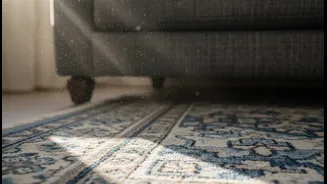
The entrance to your home is where most of the outside world—dirt, dust, pollen, and other debris—gets tracked inside. Placing high-quality mats both outside and inside your doors can trap a significant amount of this grime before it migrates further into your house. A quick daily sweep or vacuum of the entryway floor can make a dramatic difference. For hallways, which channel traffic throughout the home, daily vacuuming may be necessary, especially if you have pets or children. Some experts recommend vacuuming high-traffic carpeted areas two to four times a week to prevent dirt from becoming embedded in the fibres.
The Kitchen: Countertops and Floors
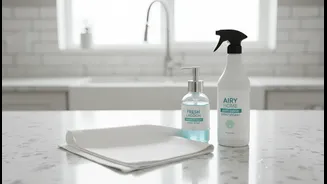
The kitchen is the heart of many homes, which also makes it a hub for crumbs, spills, and germs. Kitchen counters, in particular, need daily attention. They are not just landing pads for mail and keys, but also where food is prepared. Wiping them down with a suitable cleaner each evening removes food particles and reduces the risk of cross-contamination. In fact, the kitchen and bathroom are often considered the most germ-infested areas of a home. Don't forget the floor; a quick sweep or spot-clean after cooking or at the end of the day keeps grime from spreading. This small habit takes only a few minutes but pays huge dividends in maintaining a clean and hygienic kitchen.
High-Touch Surfaces: The Invisible Danger Zones
Some of the most significant hotspots are the ones you can't see. High-touch surfaces are objects we handle constantly, transferring germs with every touch. These include doorknobs, light switches, remote controls, cabinet handles, and faucet taps. Germs and viruses can survive on these non-porous surfaces for hours or even days. Wiping these surfaces down daily, or at least several times a week, with a disinfectant is a fast and effective way to reduce the spread of illness, especially when someone in the household is sick. A simple nightly routine of wiping down the day's most-used handles and switches can significantly improve your home's hygiene.