





The Superfood Marketing Myth
Walk into any supermarket, and you are likely to be bombarded with labels shouting about “superfoods.” From goji berries to spirulina, these products promise exceptional health benefits, often at a premium price. However, the term 'superfood' is not a scientific
classification but rather a marketing tool. Experts in nutrition and dietetics rarely use the term, pointing out that there is often little scientific basis for the grand claims made about these foods. The strategy is simple: label an exotic or newly introduced food as 'super' and it can be sold for a higher price. The truth is that no single food can provide all the nutrients you need. A balanced and healthy diet comes from a variety of whole foods, not from a few expensive, miracle ingredients.
The Power of Pulses: Lentils and Chickpeas
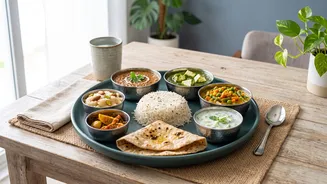
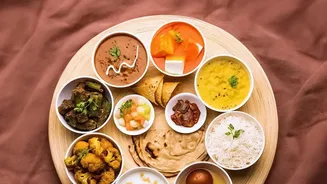
Instead of focusing on trendy grains like quinoa, turn your attention to the humble lentil (dal) and chickpea (chana). These pulses are staples in Indian households for a good reason. They are nutritional powerhouses, packed with protein, dietary fiber, and essential minerals like iron and potassium. When compared to quinoa, cooked lentils offer significantly more protein and iron per 100 grams. Lentils and chickpeas are also incredibly affordable and versatile. They can form the base of countless hearty meals, from traditional dals and curries to salads and soups, helping you stay full and nourished without straining your wallet.
Oats: An Affordable Breakfast Champion
Forget expensive, pre-packaged granola or acai bowls. Rolled oats are a budget-friendly breakfast staple that delivers sustained energy. Oats are a fantastic source of complex carbohydrates and fiber, which aid in digestion and keep you feeling satisfied for hours. They are also incredibly versatile. You can enjoy them as a warm porridge, make your own overnight oats, or even grind them into flour for baking. Compared to many sugary breakfast cereals that are marketed as healthy, a simple bowl of oatmeal, perhaps topped with a banana and some peanuts, provides far more nutritional value for a fraction of the cost.
Smart Seed Swaps
Chia seeds have gained immense popularity, but their price can be a barrier for many. Fortunately, there are several affordable alternatives that offer similar benefits. Basil seeds (sabja) are a fantastic substitute, sharing many of the same health-promoting qualities and being readily available at a lower cost. Ground flaxseeds are another excellent choice, rich in omega-3 fatty acids and fiber. For adding a crunchy texture to yogurts or salads, skip the fancy seeds and reach for sunflower or pumpkin seeds instead. These are not only cheaper but also provide valuable nutrients like vitamin E and magnesium.
Embrace Seasonal and Local Produce
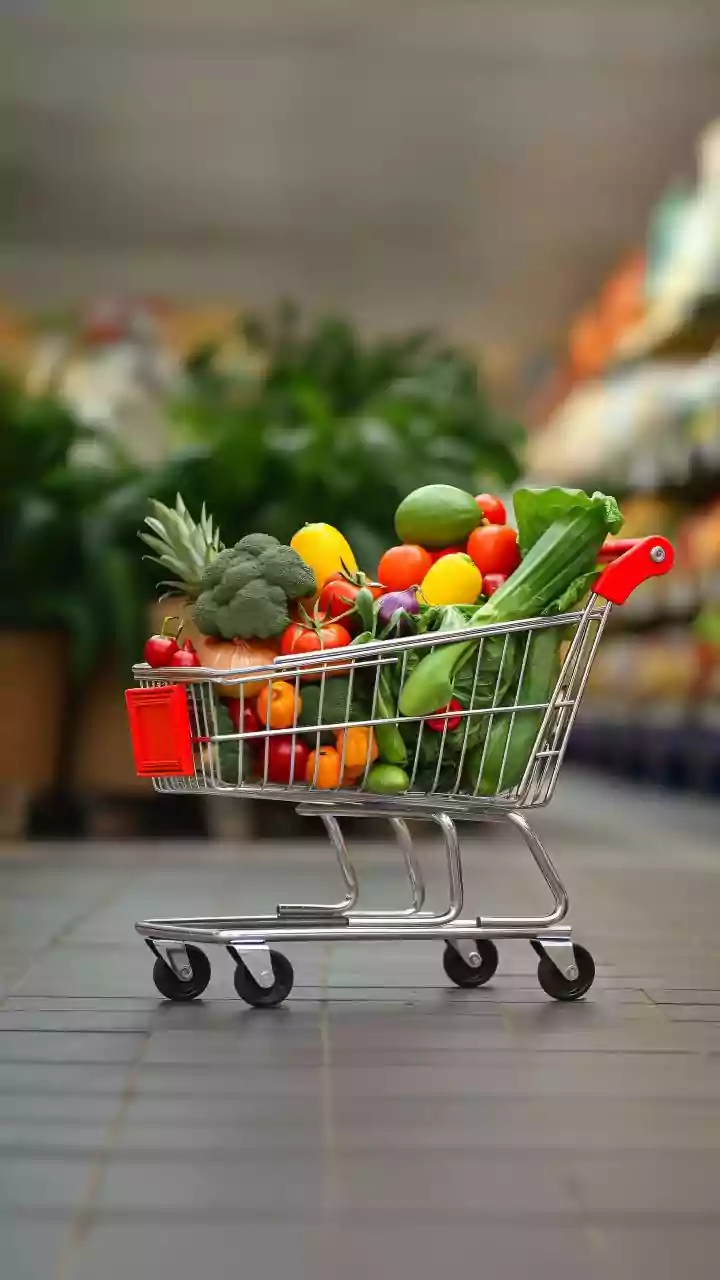
The belief that you need exotic, imported fruits and vegetables to be healthy is another myth worth busting. Local and seasonal produce is often fresher, more nutritious, and significantly cheaper. Instead of buying blueberries flown in from another continent, opt for whatever fruit is in season at your local market. Don't overlook frozen vegetables either. They are picked and frozen at peak ripeness, locking in nutrients, and are often more affordable than their fresh counterparts, all while reducing food waste. A well-balanced plate filled with a colourful variety of accessible vegetables is far more beneficial than one that relies on a single, expensive 'super-vegetable'.