





The Unexpected Power of the Dinner Table
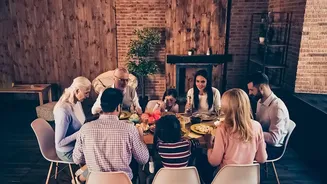
It may seem mundane, but gathering for a meal is one of the most powerful rituals a family can adopt. Research consistently shows that children and adolescents who regularly share meals with their families report better nutrition, stronger family relationships,
and improved mental health. These shared meals are about more than just food; they are a dedicated time for communication and connection. Studies indicate that adolescents who have frequent family meals are less likely to engage in risky behaviours and tend to have higher self-esteem. The benefits extend to parents as well, with studies showing that frequent family meals are associated with lower levels of stress and depression, and higher levels of family functioning. The key is consistency, creating a predictable space to share the day's highs and lows without the distraction of screens.
From Daily Routines to Cherished Rituals
A ritual is simply a routine with a little bit of heart. It’s the difference between saying goodnight and having a special handshake or a shared story before bed. These small, repeated actions create a sense of stability and security that is crucial for children's development. A consistent bedtime routine, for example, is linked to better emotional regulation in kids. These rituals don't have to be complicated. They can be as simple as a morning hug, a weekend walk in the park, or a silly song you sing in the car. The magic lies in their repetition. These predictable moments act as anchors in the chaos of daily life, providing comfort and reinforcing a sense of belonging for every family member.
Weekend Fun Without the Fuss
Weekends don't always require a packed schedule of classes and outings. Building a simple, recurring tradition can be far more impactful. This could be a designated Friday movie night, a Saturday morning trip to the local market, or a Sunday spent cooking a special meal together. The activity itself is less important than the commitment to spending that time together. Involving children in the planning, like letting them pick the movie or the meal, gives them a sense of ownership and something to look forward to. These low-pressure traditions provide a regular opportunity to unwind, laugh, and reconnect, building a library of positive memories without the stress and expense of big events.
Celebrating Small Victories Together
Family traditions are not just for holidays. Creating small rituals around personal achievements can make family members feel seen and valued. Did someone ace a test, master a new skill, or have a great day at work? Celebrate it. This doesn't require a party; it could be a 'good job' dance, allowing the person to choose dessert, or simply sharing the news and offering praise at the dinner table. These small acts of recognition build confidence and reinforce the family as a supportive unit. By acknowledging and celebrating the small wins, you create a culture of mutual encouragement and pride, strengthening the emotional fabric of your family.
Passing Down Stories and Values
Small traditions are the primary way families pass down their history and values. Whether it's telling stories about your own childhood, sharing cultural or religious practices, or looking through old photo albums, these moments connect children to their roots. Research has shown that children who know more about their family's history have higher self-esteem and a stronger sense of identity. These traditions provide a narrative that helps children understand who they are and where they come from. It’s a powerful way to build a legacy of connection that extends across generations, grounding your family in a shared story.