



What is Starlink's Gen 2 Plan?
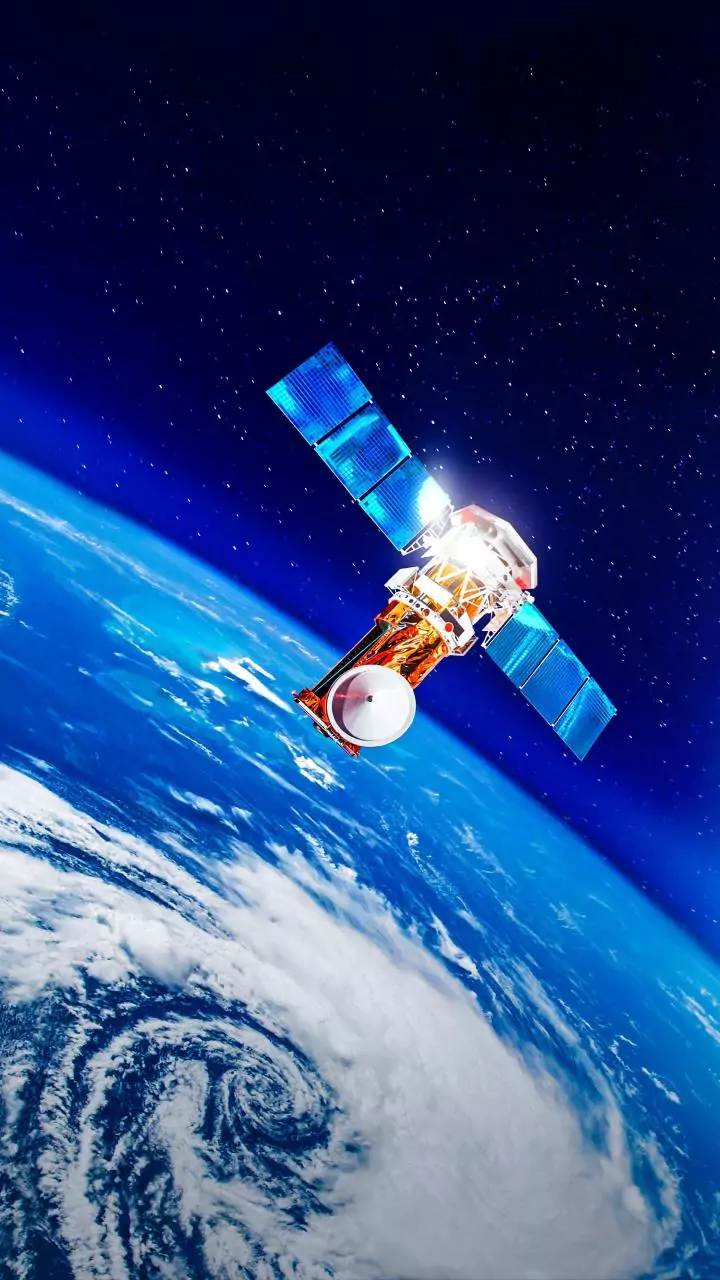
Starlink, the satellite internet division of SpaceX, aims to provide broadband connectivity from a vast constellation of low-Earth orbit (LEO) satellites. While its first-generation (Gen 1) network was approved by Indian authorities in July 2025, the real
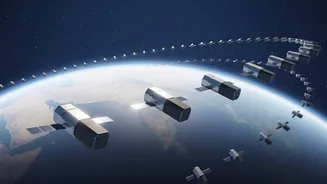
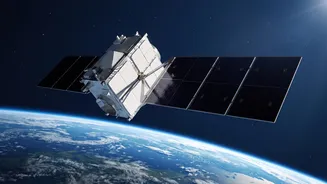
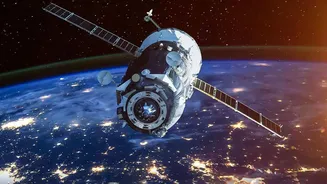
game-changer is the Gen 2 system. This next-generation network involves larger, more powerful satellites designed to offer significantly higher data capacity. More importantly, the new proposal includes plans for direct-to-device (D2D) connectivity, a technology that could allow standard mobile phones to connect directly to satellites in areas with no terrestrial network coverage. After an initial rejection due to non-compliance with certain features and frequency bands, Starlink has filed a revised application for nearly 30,000 Gen 2 satellites, hoping to meet India's regulatory requirements.
The Crucial Role of IN-SPACe
The decision rests with the Indian National Space Promotion and Authorisation Centre, or IN-SPACe. Established as a single-window, autonomous agency, IN-SPACe is responsible for promoting, authorising, and supervising all space activities by non-governmental entities in India. Its mandate is to create a level playing field for private companies and facilitate their participation in the country's space sector. For any private satellite operator, foreign or domestic, IN-SPACe's authorisation is the primary and most critical step. While Starlink received this approval for its Gen 1 constellation, the Gen 2 system is a far more ambitious proposal that requires fresh, detailed scrutiny. An approval from IN-SPACe would signal that the Gen 2 network's technology is technically sound, but it is only one of several regulatory hurdles.
The Promise of Universal Connectivity
The potential benefits of services like Starlink are immense for a country like India, where nearly 40% of the population remains offline. Satellite broadband offers a practical solution to connect remote, rural, and geographically challenging regions where laying fibre optic cables is difficult and expensive. Elon Musk has highlighted this, stating that Starlink would help the "least served" communities in India. Beyond household connectivity, it can provide crucial backhaul for mobile towers, offer reliable internet for disaster relief operations, and introduce much-needed competition in the broadband market, especially in areas dominated by a few players. The direct-to-device feature could be particularly revolutionary, providing a safety net for communication when traditional networks fail.
Navigating the Regulatory Maze
Despite the promise, the path to commercial launch is complex. Even with IN-SPACe authorisation, Starlink would still need to secure spectrum allocation from the Department of Telecommunications (DoT) and obtain final security clearances from the Ministry of Home Affairs. These security clearances have been a major sticking point for all foreign satellite operators, as the government remains cautious about data routing, lawful interception capabilities, and the control of networks headquartered overseas. As of mid-2026, no non-geostationary satellite operator, including Starlink, has launched commercial services due to these pending clearances. The government is still finalising the rules for spectrum assignment and D2D services, adding another layer of regulatory uncertainty.
An Increasingly Crowded Sky
Starlink is not entering an empty arena. The competition in India's nascent satellite communications market is already fierce. Bharti-backed Eutelsat OneWeb has also received IN-SPACe authorisation and is awaiting final clearances to launch its services. Meanwhile, Reliance Jio, in a joint venture with SES, has its own satellite ambitions with Orbit Connect. In fact, IN-SPACe has also deemed Jio's proposal for a sovereign constellation of 1,600 LEO satellites to be technically sound. Amazon's Project Kuiper is another global giant with its eyes on the Indian market, though it appears to be further behind in the regulatory process. This brewing competition means Indian consumers and businesses could eventually have multiple high-tech options for satellite-based connectivity.